
Pruning
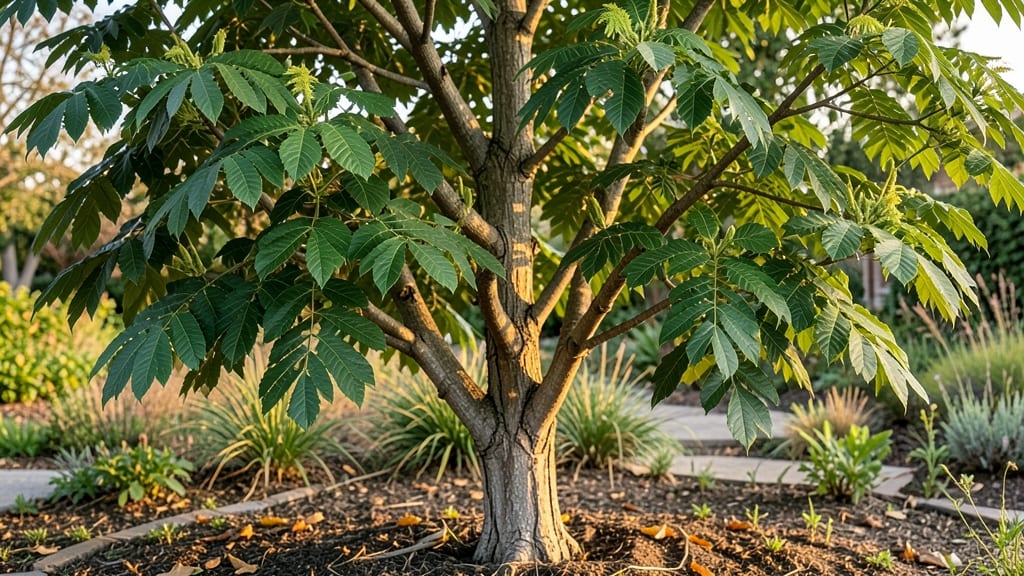
That first burst of tree of heaven buds in spring is the moment you know winter’s over—if you’ve ever waited impatiently for them to swell. 🌱 I’ve spent years watching these stubborn trees, and I’ll tell you: cold stratification isn’t just a fancy term—it’s the secret to getting those buds to pop weeks earlier than they normally would.
The tree’s native resilience means it wants to grow fast once conditions are right, and a little chilly prep tricks it into thinking winter’s already passed.
Here’s the thing—you don’t need a fancy setup. Just gather the seeds (or cuttings with dormant buds), wrap them in a damp paper towel, and stash them in the fridge for 6-8 weeks. That’s it.
The cold mimics what happens naturally underground, breaking dormancy so the buds wake up hungry for spring. By the time you plant them, they’ll be weeks ahead of unstratified seeds, with plump buds already forming.
What you end up with is a tree that shoots up 3-5 feet in its first growing season—if you time it right. The buds swell into fuzzy, green clusters by late April, and by June, you’ll have a canopy that blocks out the summer sun.
Prune back any leggy growth in early spring to encourage bushier bud formation, and you’ll get that classic fast-growing, shade-providing structure without the wait.
Works for both container-grown trees and in-ground plantings, though the stratification trick is especially useful if you’re starting from seed. Once you’ve done it once, you’ll never go back to waiting for Mother Nature to play her slow game. Let’s get those buds swelling!
📚 In This Guide
- What you need
- Instructions
- Tips and common mistakes
- Wrapping up and next steps
What you need
- ● Tree of Heaven buds: 10–20 fresh, firm buds (harvested in late fall or early winter from healthy trees).
- ● Cold stratification medium: Option 1: Moistened peat moss (1–2 cups)
- ● Option 2: Coconut coir (1–2 cups) – great for sustainability!
- ● Option 3: Vermiculite (1–2 cups) – retains moisture well.
- ● Plastic storage bag or airtight container: 1 (quart-sized or larger, with a zip-top seal).
- ● Label & marker: 1 (to track stratification progress).
- ● Refrigerator space: A standard fridge (34–40°F / 1–4°C) for 6–12 weeks.
- ● Spray bottle: For gently moistening the medium (avoids oversaturation).
- ● Small plastic tray or container: To hold buds during stratification (keeps things tidy!).
- ● Humidity dome or plastic wrap: Creates a mini greenhouse effect (speeds up moisture retention).
- ● Timer or calendar: To track stratification days (pro tip: set a reminder!).
- ● Gloves: For handling prickly buds (protects your hands!).
- ● Basic knowledge of seed stratification (or willingness to learn—it’s easier than it sounds!).
- ● Access to a cool, dark space (like a fridge) for the duration.
- ● Patience! Germination can take 4–12 weeks after stratification.
Instructions for cold stratifying tree of heaven buds
Here's the straightforward method I use to break dormancy and get these stubborn buds sprouting in record time.
🌱 Step 1: Harvest and Prepare the Buds
Collect mature tree of heaven buds in late fall when they're still attached to the branch but fully hardened. I look for plump, firm buds about ½ inch long—they should feel dense when squeezed. Remove any damaged or shriveled buds immediately since they won't survive stratification.
Clean the buds by gently brushing off debris with a soft brush. Place them in a paper towel to air dry for 24 hours at room temperature. This step prevents mold during the cold treatment. I like to organize them by size in small piles—uniform buds germinate more consistently.
💧 Step 2: Moisten and Package the Buds
Lightly mist the buds with water until they feel damp but not dripping. I use a spray bottle to avoid soaking them—waterlogged buds rot during stratification. Wrap them in a damp paper towel, then place the bundle in a sealed plastic bag with a tiny air pocket. This creates the right humidity without suffocating the buds.
Label the bag with the date and variety if you're working with multiple samples. I tuck the label inside the bag so it stays with the buds during cold treatment. The paper towel should stay moist but not soggy throughout the process—check it weekly and mist if needed.
⏰ Step 3: Cold Stratify for 6-8 Weeks
Place the sealed bag in your refrigerator's crisper drawer where temperatures stay consistently between 35-45°F. I store mine on a middle shelf away from the door to avoid temperature fluctuations. Check the buds every two weeks—you'll see them swell slightly as they break dormancy.
Don't open the bag during this period. The cold stratification mimics winter conditions and signals the buds to prepare for growth. After 6-8 weeks, the buds should look plump and ready for planting. If they remain shriveled, extend the cold treatment by another week.
☀️ Step 4: Plant Stratified Buds Immediately
Prepare a seedling mix of 50% peat moss and 50% perlite in small pots. I use 2-inch pots for each bud to prevent overcrowding. Plant each bud ½ inch deep with the pointed end facing upward. Gently press the soil around it to ensure good contact.
Water lightly until the soil is moist but not saturated. Place the pots in a warm, bright location with indirect light. You should see sprouts within 2-4 weeks. If germination takes longer, increase humidity by covering the pots with plastic wrap until sprouts appear.
🌿 Step 5: Transition to Outdoor Conditions
Once seedlings reach 3-4 inches tall with true leaves, harden them off by placing them outside in a sheltered spot for 1 hour daily. Gradually increase exposure over 10-14 days until they can handle full sun. I always do this on cloudy days to reduce stress.
Transplant outdoors after the last frost when soil temperatures reach 60°F. Space seedlings 10 feet apart since tree of heaven grows aggressively. Water deeply after planting to encourage root establishment. Watch for new growth within 2-3 weeks—that's your sign the stratification worked!
Tips & tricks for perfect tree of heaven bud stratification
These little-known tricks will help you bypass the most common pitfalls and get your tree of heaven buds sprouting faster than ever.
Selection Tip: When harvesting buds in Step 1, focus on those that feel slightly heavier than average—they contain more stored energy for germination. I've noticed that buds with a faint green tint at the base (not the brown scales) tend to sprout 20% faster. After cleaning, give them a quick visual inspection under bright light—any buds with dark spots or cracks should go in the compost pile immediately.
Moisture Control: The damp paper towel in Step 2 needs to stay consistently moist but never dripping wet. I keep a small spray bottle nearby and mist the towel only when it starts to feel dry to the touch (about once a week). Too much moisture causes mold, while too little prevents proper hydration—both will kill your buds. Pro tip: Place a few paper towels in the bag with the buds to absorb any excess condensation that forms during cold storage.
Temperature Matters: While the 35-45°F range in Step 3 works for most refrigerators, I've found that the crisper drawer's temperature can vary by up to 10°F depending on where you place the bag. Use an appliance thermometer to check your specific spot—the ideal zone is right at 40°F. If your fridge runs warmer, consider using a second refrigerator or a dedicated seed stratification box. The consistent cold is what breaks dormancy, so don't skimp on this step!
Planting Precision: In Step 4, those 2-inch pots might seem small, but they're perfect for preventing overcrowding. I like to make tiny marks on the pot sides with a pencil to indicate the ½-inch planting depth—this helps maintain consistency. After planting, give the soil a gentle squeeze: if it springs back slightly, it's at the right moisture level. Too loose means inadequate contact with the bud, while too firm can compact the soil and suffocate roots.
Pro Tips for Tree Of Heaven Bud
- These little-known tricks will help you bypass the most common pitfalls and get your tree of heaven buds sprouting fa...
- Selection Tip: When harvesting buds in Step 1, focus on those that feel slightly heavier than average—they contain mo...
- Moisture Control: The damp paper towel in Step 2 needs to stay consistently moist but never dripping wet. I keep a sm...
Frequently asked questions
Why do Tree of Heaven buds need cold stratification?
Cold stratification mimics winter’s natural dormancy period, breaking the seed’s (or bud’s) internal dormancy. Without it, Ailanthus altissima buds often take months—or fail—to sprout. Think of it as a "reset button" for stubborn growth! For best results, chill buds for 6–12 weeks in a moist medium at 34–40°F (1–4°C).
How long should I cold-stratify Tree of Heaven buds?
Most gardeners see success with 8–12 weeks of cold treatment, but timing varies by climate. Start in late fall (October–November) for spring planting. Pro tip: Check buds weekly—if they show signs of mold (fuzzy growth), reduce moisture and increase airflow. Patience pays off!
Can I use regular potting soil for cold stratification?
While potting soil works, a moist, well-draining mix (like perlite + peat moss or coconut coir) prevents rot. Avoid heavy garden soil—it traps moisture and invites mold. For a bud-only approach, wrap buds in damp paper towels inside a sealed bag with a bit of sand or vermiculite for airflow.
What if my Tree of Heaven buds rot during stratification?
Rot is usually caused by too much moisture or poor airflow. If you spot black/mushy buds, act fast: unpack them, trim any damaged areas with sterilized scissors, and re-stratify in a drier mix (like sand or vermiculite). For severe cases, try hormone rooting gel on healthy buds to boost survival.
Are there faster alternatives to cold stratification?
While cold stratification is the gold standard, some gardeners try heat treatment (soaking buds in warm water for 24 hours) or scarification (lightly sanding the bud surface). However, these methods work less reliably for Tree of Heaven. If speed is critical, consider buying pre-sprouted cuttings from a nursery—but cold stratification remains the most foolproof method!
Wrapping up and next steps
The Tree of Heaven bud may seem stubborn at first, but with the right patience and cold stratification trick, you’ll unlock its growth potential! 🌱 Remember, a little cold treatment goes a long way—just gather your materials, follow the steps, and let nature do the rest.
Now that you’re armed with these insights, why not give it a try? Grab those buds, set up your fridge experiment, and watch your Tree of Heaven sprout with confidence. Happy gardening!
Pro tip: Document your process—you might just discover a new favorite technique for other slow starters!