
Pruning
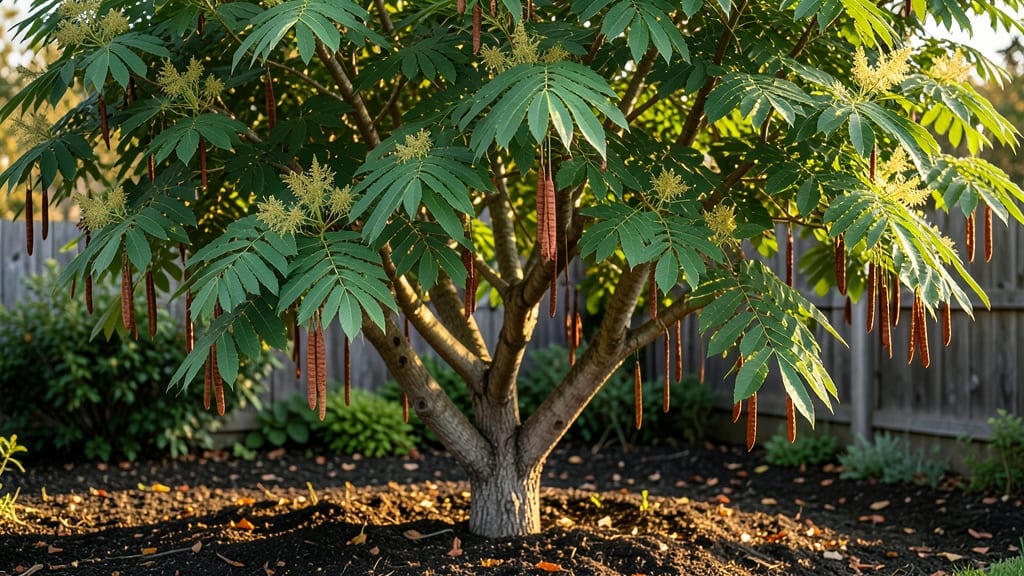
Those Tree of Heaven pods are nature’s way of saying, "I’m not leaving." 🌳 The moment they split open, thousands of seeds launch into the wind, turning your yard into an invasive nightmare—unless you act fast.
I’ve spent years wrestling with this aggressive tree, and I’ll show you how to stop it before it takes over. The problem starts when those sausage-shaped pods mature in late summer.
One tree can produce hundreds of thousands of seeds, and they sprout anywhere—cracks in pavement, disturbed soil, even your neighbor’s yard. The real kicker? The roots release a chemical that stunts nearby plants, making it harder for anything else to grow.
Here’s the good news: manual removal works if you catch it early. Grab gloves, a shovel, and a heavy-duty trash bag—we’re going to dig those seeds out before they germinate. I’ll walk you through the safest way to handle them so you don’t accidentally spread them further.
Once you’ve cleared the pods, we’ll talk about long-term prevention—because this tree doesn’t quit. Whether you’re dealing with a single plant or a full infestation, these methods will help you reclaim your yard.
Why Invasive Trees Spread So Fast
The Tree of Heaven (Ailanthus altissima) isn’t just a nuisance—it’s a biological bully. Its rapid spread and prolific pod production are the result of a perfect storm of evolutionary advantages.
Understanding these causes helps explain why this tree dominates landscapes and how its pods become such a persistent problem.
The Tree of Heaven’s roots are its superpower. This species grows fast—up to 3–5 feet per year—thanks to:
- Deep, extensive roots: They spread aggressively underground, competing with native plants for water and nutrients. A single tree can send out roots 50+ feet in all directions, smothering grass and shrubs.
- Pioneer species traits: It thrives in disturbed soils (like construction sites or abandoned lots), where few competitors can keep up.
- No natural root barriers: Unlike some trees, it lacks deep taproots or underground inhibitors, making it nearly impossible to contain with root barriers.
Actionable insight: If you’re dealing with a Tree of Heaven, removing the roots is just as critical as cutting the trunk. Stumps left behind will regrow, and even small root fragments can sprout new shoots.
Those tree of heaven pods aren’t just a fall mess—they’re a survival strategy. Here’s why they’re so effective:
- Massive seed output: A single tree can produce 30,000–50,000 seeds per year, packed into winged pods that resemble samaras (like maple seeds).
- Lightweight and wind-resistant: The pods have papery wings that catch even gentle breezes, allowing them to travel up to a mile from the parent tree.
- Germination triggers: Seeds lie dormant until disturbed (e.g., by soil movement or sunlight), ensuring they take root in open spaces where competition is low.
Why it matters: One mature Tree of Heaven can inundate a neighborhood with pods, leading to new infestations in yards, parks, and even cracks in pavement. Pro tip: 🌡️ Collect pods in fall before they scatter—wear gloves, as the sap can irritate skin.
The Tree of Heaven doesn’t just spread—it repels threats. Its leaves and bark contain quassin and ailanthone, toxic compounds that:
- Deter deer, rabbits, and insects: Few animals will browse it, so it faces little natural predation.
- Inhibit competing plants: Fallen leaves release allelopathic chemicals that suppress growth of grasses and wildflowers beneath the tree.
- Make it resilient to drought: Its chemical defenses also help it outcompete other species in dry or poor-soil conditions.
Result? With no natural checks, the Tree of Heaven monopolizes space, crowding out native flora and altering ecosystems. Pro tip: ✨ Mulching with cardboard or landscape fabric can block sunlight and slow seed germination in infested areas.
This tree is a generalist—it thrives in:
- Urban and rural settings alike: Tolerates pollution, compacted soil, and poor drainage.
- Wide temperature ranges: Survives from USDA Zones 4–9, making it hard to outgrow with frost or heat.
- Drought conditions: Once established, it requires minimal water, unlike many ornamental trees.
Actionable takeaway: If you’re in a warm or semi-arid region, preventative measures (like regular inspections for seedlings) are your best defense. Native alternatives like black walnut or hackberry won’t spread as aggressively.
Removing and Preventing Invasive Pods
Dealing with invasive tree of heaven pods (or Ailanthus altissima) requires a mix of immediate removal and long-term prevention. Since these pods spread aggressively and can choke out native plants, acting early is key.
Below are practical, step-by-step solutions tailored to different scenarios—whether you’re tackling an existing infestation or trying to stop new growth before it starts.
1. Manual Removal (Small Infestations)
If you’ve spotted just a few pods or saplings, physical removal is the fastest fix—but timing matters.
- 🔥 Harvest Pods Before They Spread
- Wear thick gloves (the sap can irritate skin) and collect pods in a sealed bag.
- Drop them in a trash bin with a lid—never compost them, as they’ll sprout.
- Pro Tip: 🌡️ Fall is prime time—pods ripen in late summer/early fall, making them easier to spot and remove.
- 👨🍳 Dig Out Saplings - For young trees (under 3 feet tall), dig up the entire root system using a shovel or garden fork. - Check for suckers—tree of heaven sends up shoots from underground roots.
Remove all traces. - ✨ Prevention Hack: Solarize the soil by covering the area with clear plastic for 4–6 weeks in hot sun to kill remaining roots.
2. Cutting Down Mature Trees (Large Infestations)
Big trees require strategic pruning to weaken and eventually kill them.
- 🔪 Prune in Stages (Don’t Top the Tree!) - First Year: Cut the main trunk 1–2 feet from the ground to stimulate root decay. - Second Year: Make small cuts around the trunk (girdling) to starve the tree.
Use a hand saw or pruning saw. - 💡 Expert Tip: Apply horticultural vinegar (20% acetic acid) to fresh cuts to speed up decay.
- 🌱 Monitor & Repeat
- New shoots will sprout—remove them immediately before they grow.
- Avoid stump grinding—it can leave viable root fragments that regrow.
3. Chemical Control (Last Resort)
If manual methods fail, herbicides can help, but use them sparingly and safely.
- 🥛 Glyphosate Application
- Best for: Large, established trees.
- How to Apply:
- Drill small holes in the trunk (or use a hack-and-squirt method on cuts).
- Apply glyphosate (e.g., Roundup) directly to the holes or cuts.
- ⚠️ Safety Note: Wear protective gear and follow label instructions. Do not spray near desirable plants.
- 🌿 Natural Alternatives (Less Effective but Safer)
- Salt or Vinegar Spray: Mix 1 gallon of vinegar + 1 cup salt and spray on cut stumps (reapply weekly).
- Copper Sulfate: Apply to fresh cuts (follow package rates).
Once you’ve removed the tree, stop it from coming back with these low-effort but high-impact tactics.
🌱 Block Regrowth with Mulch or Barriers
- 🥘 Smother the Soil
- Cover the area with cardboard + mulch (6+ inches thick) to block sunlight and prevent sprouts.
- 💡 Pro Tip: Use landscape fabric under mulch for extra protection.
🌿 Plant Competitive Ground Covers
- 🌿 Fast-Growing, Shade-Tolerant Plants
- Clover, creeping thyme, or ornamental grasses can outcompete tree of heaven seedlings.
- 🎯 Best for: Areas where you want to replace the invasive species naturally.
🚫 Monitor & Strike Early
- 🔍 Weekly Checks
- Walk your property once a week in spring/summer to catch new sprouts before they grow tall.
- 🔥 Remove them immediately—even a 6-inch shoot can become a problem.
🌳 Plant Non-Invasive Alternatives
- 🌳 Replace with Native Trees
- Black walnut, hickory, or serviceberry are strong competitors that won’t spread aggressively.
- 🌿 Bonus: They support local wildlife!
- ❌ Don’t Burn Pods or Leaves – Smoke can spread seeds further.
- ❌ Don’t Compost Them – They’ll germinate in compost piles.
- ❌ Avoid Over-Pruning – Topping trees can make them more aggressive.
By combining manual removal, smart pruning, and prevention, you can eliminate tree of heaven pods—and keep them from staging a comeback. Start today, and your yard (or neighborhood) will thank you! 🌿💪
Frequently asked questions
Are tree of heaven pods poisonous to humans or pets?
While the pods themselves aren't deadly, they contain toxic compounds like quassin that can irritate skin and cause stomach upset if ingested. The real risk comes from accidental consumption—never let pets or children play with them. The sap can also trigger allergic reactions in sensitive individuals.
How do I know if I'm dealing with tree of heaven pods vs. other tree seeds?
Tree of heaven pods are sausage-shaped (1-2 inches long) with a papery texture that splits open when mature. They resemble small, winged samaras but lack the flat, maple-like shape. The tree itself has compound leaves with 11-41 leaflets and emits a strong, unpleasant odor when crushed.
Can I just burn tree of heaven pods to get rid of them?
No, burning is a bad idea—smoke can carry seeds further and create new infestations. Instead, collect pods in sealed bags and dispose of them in trash bins with lids. The heat from burning won't kill all seeds, and the wind will spread any survivors.
What's the best time of year to remove tree of heaven pods?
Fall is ideal—pods mature in late summer/early fall (September-October) and are easiest to collect before they split open. For saplings, early spring (before leaves emerge) is best when they're most vulnerable. Always wear gloves, as the sap can irritate skin.
Will tree of heaven pods grow if I leave them in my compost pile?
Absolutely—they'll germinate in compost! Never add them to compost bins. Instead, place them in sealed trash bags or burn them (safely, in a metal container) if you have no other disposal option. The heat must reach 300°F+ for 30+ minutes to kill seeds.