
Pruning
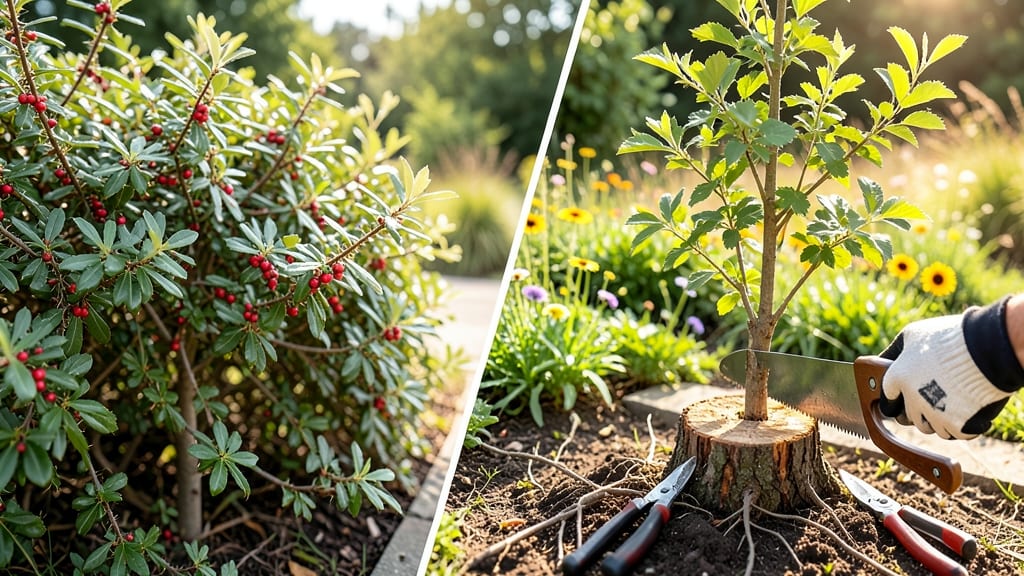
Your Tree of Life (Cercis canadensis) might look stunning, but its aggressive roots and seeds can turn your yard into an ecological headache. 🌳 I’ve battled this invasive beauty myself—it spreads faster than you’d think, smothering native plants and cracking sidewalks.
The key to keeping it in check isn’t just pruning; it’s strategic, year-round management that stops its spread before it starts.
First, identify the problem: look for those distinctive heart-shaped leaves and sprawling branches that push into lawns. Pruning isn’t about aesthetics here—it’s about removing seed pods before they drop and cutting back aggressive roots that invade drainage systems.
Grab your pruners, gloves, and a heavy-duty tarp (for cleanup), and start with the most invasive branches first.
With the right cuts—just above a leaf node—you’ll slow its growth and encourage healthier, less aggressive new shoots. The goal? A balanced, contained Tree of Life that stays where you want it.
This method works for urban gardens, parks, and even wild areas where it’s taken over. The payoff? A yard that stays lush and native-friendly.
Regional rules matter: check local regulations before pruning near property lines or natural areas. Some states treat invasive species like this as illegal to plant—so do your homework first.
Once you’ve got the basics down, you’ll spot early warning signs of regrowth and act fast. Healthy trees start with smart pruning.
📚 In This Guide
- What you need
- Instructions
- Tips and common mistakes
- Wrapping up and next steps
What you need
- ○ Pruning shears: Bypass pruners (sharp, 6–8" blades) for clean cuts on small branches. Optional: Loppers (18–24" for thicker stems).
- ● Hand saw: Pruning saw with a curved blade for branches ½"–1.5" thick.
- ● Extension pole: 3–6 ft telescoping saw or pruning pole for high branches (avoid ladders—Tree of Life can be top-heavy!).
- ● Disposable gloves: Nitrile or leather (thick, thorn-resistant) to protect hands from sap and sharp edges.
- ● Rubbing alcohol (70%+) or vinegar: 1 small bottle to sterilize tools between cuts (prevents bacterial spread).
- ○ Heavy-duty trash bags: 2–3 large bags (10+ gallons) for debris. Optional: Compost bin if repurposing clippings.
- ● Tree wound sealant: 1 small tube (like Tanglefoot Tree Wound Pruning Seal) for cuts >1" in diameter.
- ● Safety goggles: Protect eyes from sap splatter.
- ● Knee pads: For comfort if kneeling near the base.
- ● Spray bottle with water: Dampen leaves before cutting to reduce dust.
- ● Labeling tags: Mark pruned branches if propagating cuttings.
- ● Disinfectant wipes: For quick tool cleaning mid-project.
Step-by-Step guide to pruning invasive Tree of Life growth
Here’s how I keep this fast-spreading shrub in check without harming its health or your landscape.
✂️ Step 1: Identify and Mark Healthy vs. Invasive Growth
Start by examining the plant closely—Tree of Life (Portulacaria afra) spreads aggressively through both above-ground stems and underground runners. Use pruning shears to cut back any stems growing beyond your desired boundary, but leave at least 3-4 inches of new growth on each branch to encourage bushier, healthier regrowth. I mark invasive stems with a small flag or spray paint to avoid accidental removal of healthy foliage.
Look for thick, woody stems—these are mature and can be pruned back more aggressively. Thin, green stems are still growing and should only be trimmed lightly to avoid stressing the plant. If you’re unsure, wait a week and observe which stems show new leaves—those are the healthy ones to preserve.
🌿 Step 2: Prune in Stages for Minimal Shock
Never remove more than one-third of the plant’s foliage at once, even if it looks overgrown. I prune in three sessions spaced 2-3 weeks apart, starting with the most invasive stems first. This gradual approach prevents stress and allows the plant to recover between cuts. Use clean, sharp pruners to make cuts just above a leaf node or lateral bud—this ensures new growth will sprout from the right spot.
For thick stems over ½ inch in diameter, use loppers or a pruning saw. Make the cut at a 45-degree angle about ¼ inch above a bud or branch collar to prevent water from pooling and causing rot. If you’re dealing with underground runners, dig carefully to expose them—snip with clean shears and leave the cut surface exposed to dry out and prevent regrowth.
☀️ Step 3: Monitor and Maintain Year-Round
Tree of Life grows aggressively year-round in warm climates, so check it monthly for new shoots. I focus on new growth—any stems longer than 6 inches outside the desired area get pruned back immediately. This prevents the plant from establishing a dense root system in unwanted spots. After pruning, I mulch the base with 2-3 inches of organic mulch to suppress underground runners and retain moisture.
Watch for yellowing leaves or leggy growth—these are signs of over-pruning or poor light. If you’ve cut too much, the plant may take longer to recover. In this case, reduce watering slightly and avoid further pruning until new growth appears. A healthy Tree of Life should have compact, bushy branches with vibrant green leaves.
⏰ Step 4: Seasonal Adjustments for Optimal Health
In spring, prune just before new growth begins to encourage fuller foliage. In summer, focus on shaping and removing any flower stalks if you don’t want seeds to spread. Fall pruning should be minimal—just tidy up any straggling branches to avoid stressing the plant before winter. If you live in a cold climate, prune lightly in early spring before buds swell, as late-season cuts can damage tender new growth.
I always disinfect my tools with rubbing alcohol between cuts to prevent the spread of disease. If you notice blackened stems or oozing sap, stop pruning immediately—this could indicate fungal infection or pest damage. In this case, treat the plant with a copper fungicide and remove only the affected branches, disposing of them in the trash (not compost).
Tips & tricks for pruning invasive Tree of Life growth
Keeping this resilient plant in check requires precision—not brute force. Here’s how to prune without harming its health or your landscape.
Visual Cues for Healthy Growth: In Step 1, when identifying stems to prune, look for the "V" shape where leaves attach to the stem. This leaf node is your target—cutting just above it ensures new growth will sprout from the right spot. For thick stems over ½ inch, the 45-degree angle mentioned in Step 2 isn't just for looks; it helps water run off the cut, preventing rot. I use a small pencil to mark this angle before cutting to stay consistent.
Gradual Pruning Strategy: The three-session approach in Step 2 works because Tree of Life recovers faster when you don't shock it. Between sessions, I water deeply once to help the plant recover. If you're dealing with underground runners, I've found that exposing them to air for 24 hours before cutting prevents regrowth—just leave them on the soil surface rather than burying them back.
Seasonal Timing Matters: Spring pruning before new growth begins (as in Step 4) gives you the cleanest results, but summer maintenance is about containment. I schedule my monthly checks for early morning when the plant is hydrated—this makes it easier to spot leggy growth. For cold climates, that early spring timing is critical; waiting until buds swell risks damaging tender new shoots.
Tool Maintenance Secret: Disinfecting tools with rubbing alcohol isn't just about disease prevention—it also removes sap buildup that can dull your blades. I keep a small bottle of 70% isopropyl alcohol in my gardening tool caddy and wipe blades between every 5 cuts. For stubborn sap, a quick soak in warm, soapy water works wonders before the alcohol step.
Pro Tips for Tree Of Life Invasive
- Keeping this resilient plant in check requires precision—not brute force. Here’s how to prune without harming its hea...
- Visual Cues for Healthy Growth: In Step 1, when identifying stems to prune, look for the "V" shape where leaves attac...
- Gradual Pruning Strategy: The three-session approach in Step 2 works because Tree of Life recovers faster when you do...
Frequently asked questions
Can I prune my Tree of Life year-round, or is there a best time?
You can prune year-round, but late spring or early summer () is ideal for most growth. Avoid heavy pruning in winter, as slower metabolism can stress the plant. Light trimming to shape or remove dead branches? Anytime works!
How do I stop my Tree of Life from getting too leggy or unruly?
Leggy growth happens when the plant stretches for light. Prune the top 2–3 inches of leggy stems to encourage bushier growth. Rotate the pot occasionally () to ensure even light exposure. For drastic overgrowth, cut back ⅓ of the plant at once—it’ll bounce back!
What’s the best way to propagate cuttings from my invasive Tree of Life?
Use healthy, 4–6 inch cuttings with at least one node. Dip the cut end in rooting hormone (optional but helpful ), then place in moist potting mix or water. Keep in bright, indirect light and mist occasionally. Roots form in 2–4 weeks!
My Tree of Life leaves are yellowing after pruning—what went wrong?
Yellowing can mean overwatering, underwatering, or stress from heavy pruning. Check soil moisture (top inch should be dry) and avoid fertilizing right after trimming. If only a few leaves yellow, it’s normal—new growth will replace them!
Are there natural alternatives to chemical fertilizers for invasive growth?
Yes! Use compost tea (), diluted fish emulsion, or worm castings for gentle, organic nutrition. Prune regularly to control size, and repot every 2–3 years for fresh soil. Overcrowded roots can also spur invasive growth—so don’t skip repotting!
Wrapping up and next steps
Understanding tree of life invasive pruning is your first step toward maintaining a lush, healthy plant year-round! 🌿 By mastering the right techniques—whether trimming aggressive growth, removing dead branches, or encouraging balanced foliage—you can keep this stunning succulent thriving while preventing overgrowth.
Remember, consistency is key, and a little effort now saves bigger headaches later.
Ready to take action? Start with a single session this weekend—grab your tools, follow the steps you’ve learned, and observe how your tree of life responds. Over time, you’ll build confidence and a routine that keeps this beauty flourishing for years to come! 💪