
Pruning
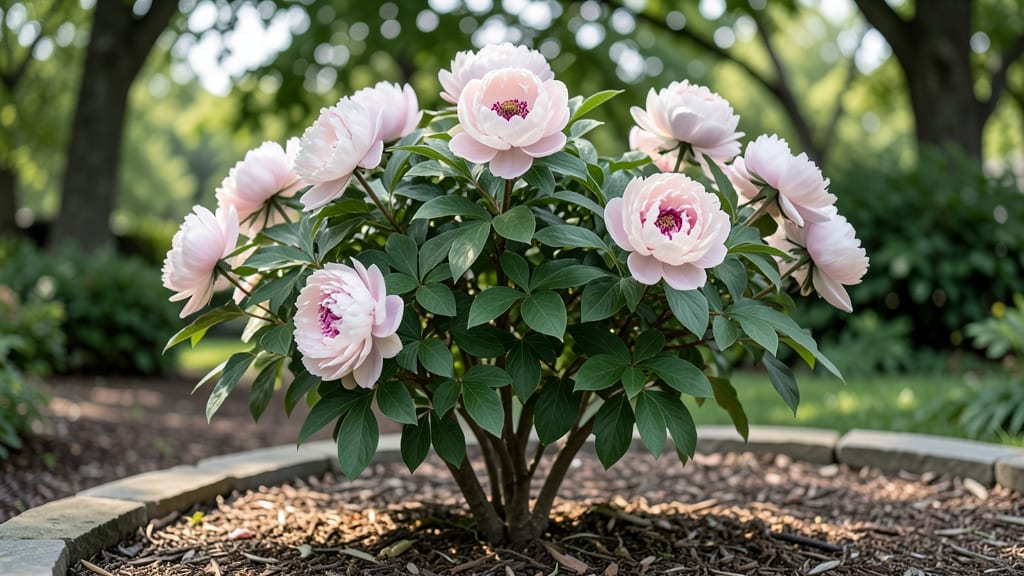
Understanding tree peony height is the first step to planning a garden that balances beauty and space—because some varieties stretch toward the sky while others stay neatly contained.
If you’ve ever admired tree peonies in bloom but wondered whether they’ll tower over your garden or stay compact, the answer depends entirely on the variety you choose. 🌸 Some dwarf types barely reach your knees, while others grow taller than most people, making them a statement piece in any landscape.
Height isn’t just about aesthetics—it also affects how you prune, where you plant, and even how much sunlight your peonies get. A 4-foot shrub needs different care than a 2-foot patio-friendly type, and knowing the difference can save you from overcrowding or underutilized space.
In this guide, I’ll break down the height ranges by variety, explain how pruning shapes growth, and help you pick the perfect tree peony for your garden—whether you want a low hedge or a dramatic focal point.

Tree peony height by variety: dwarf to giant sizes explained
Tree peonies (Paeonia suffruticosa) are stunning shrubs that can dramatically transform your garden with their lush foliage and vibrant blooms. However, their size varies wildly between varieties—some stay under 3 feet while others soar to 8 feet.
Choosing the right variety for your space ensures both visual impact and easy maintenance. Let’s explore the height spectrum so you can pick the perfect fit for your landscape.
Height isn’t the only factor to consider—spread and growth habits also play a role in how these shrubs perform. Some varieties grow upright, while others spread wider, requiring more horizontal space.
For example, ‘Feng Dan’ stays compact but spreads broadly, while ‘Shi Feng Dan’ grows taller with a narrower form. Understanding these traits helps you plan ideal spacing for full bloom impact.
Below is a detailed breakdown of popular tree peony varieties, organized by height categories. Whether you’re designing a small patio garden or a large landscape border, this guide will help you select the perfect varieties to maximize beauty without overpowering your space.
If you’re working with limited space, dwarf varieties like ‘Feng Dan’ or ‘Red Charm’ are ideal. These stay under 3 feet tall and spread horizontally, making them perfect for patios, containers, or rock gardens.
Their smaller size also means less pruning and easier maintenance, which is a plus for busy gardeners.
For larger gardens or statement-making focal points, taller varieties like ‘Sarah Bernhardt’ or ‘Shi Feng Dan’ deliver dramatic height and bold blooms. These can reach 6–8 feet tall, so they’re best planted where they won’t obstruct views or pathways. Pair them with low-growing perennials to create layered interest.
When planting, always consider mature size and spread to avoid overcrowding. For example, a 4-foot-tall variety like ‘Karl Rosenfield’ needs at least 4 feet of space around it to thrive. Skimping on spacing can lead to poor airflow, which increases the risk of fungal diseases like powdery mildew.
Pro tip: If you love the look of tall tree peonies but have limited space, consider pruning strategically to control height. Light pruning after blooming can encourage a fuller, bushier shape without sacrificing too much height.
Just avoid heavy pruning, as tree peonies bloom on old wood and may produce fewer flowers if over-pruned.
For urban gardens or small yards, look for varieties labeled as dwarf or semi-dwarf. These are bred to stay compact while still delivering abundant blooms.
For instance, ‘Red Charm’ is a fan favorite for its vibrant red flowers and manageable size, making it a top pick for cont
How pruning affects tree peony height and bloom quality
Tree peonies (Paeonia suffruticosa) are stunning shrubs that can dramatically change your garden’s height profile—but only if you let them. Pruning is the key to controlling their height growth while ensuring abundant blooms.
Unlike herbaceous peonies, tree peonies grow on woody stems, so aggressive pruning can backfire. The right cuts at the right time can keep your plant at a manageable 3-5 feet or even encourage a bushier, more compact shape.
Most gardeners prune tree peonies to shape the plant or remove dead wood, but the timing and technique directly impact both height control and flower production.
For example, cutting back stems immediately after blooming encourages new growth for next year, while thinning old stems promotes airflow and reduces disease. However, pruning too late or too aggressively can stunt blooms or even kill the plant.
⚠️ callout warning ⚠️
Tree peonies store energy in their woody stems. Cutting back more than 1/3 of the plant in a single year can reduce flowering by up to 50%. Avoid removing old, thick stems—these are often the most productive bloomers. If your plant is leggy, focus on thinning out crowded stems rather than drastic height reduction.
To control height, use the heading-back method after blooming. Select 2-3 of the strongest stems and cut them back by 1/3 to encourage bushier growth. This method works best for young plants (under 5 years old) that need shaping.
For mature plants, avoid heavy pruning—stick to light thinning to maintain height while improving airflow.
For maximum bloom quality, prune in early spring (March) to remove any dead or crossing branches. This prevents energy loss and ensures the plant focuses on producing large, healthy flowers.
Never prune in fall or winter, as this can expose the plant to frost damage and reduce next year’s blooms.
If your tree peony is already too tall, don’t panic. Instead of drastic cuts, gradually reduce height over 2-3 years by selective pruning. For example, cut back 1-2 stems per year by 20-30% to avoid shocking the plant.
Pair this with annual fertilization (5-10-10 in early spring) to support new growth and blooms.
Remember, tree peonies thrive on patience. With the right pruning strategy, you can enjoy compact, bushy plants with show-stopping blooms year after year—without sacrificing their natural beauty or health. Start small, observe how your plant responds, and adjust your approach accordingly.