
Flowers
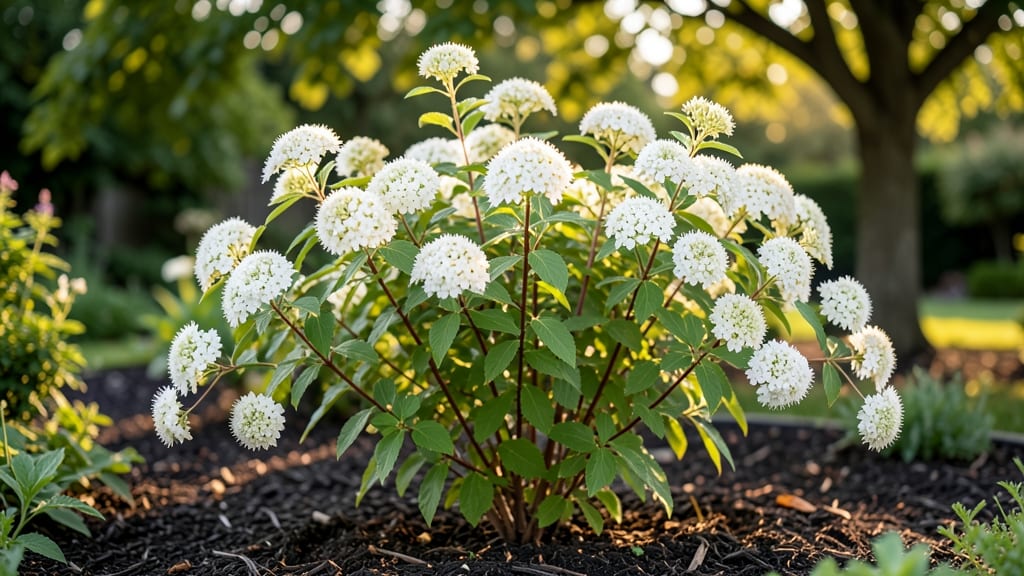
A tree shrub with small white fragrant flowers can turn any garden into a dreamy retreat. 🌿 The Deutzia stands out with its delicate clusters that perfume the air in spring, while Pieris offers year-round interest with its glossy foliage and early blooms.
Both thrive in partial shade and create stunning vertical accents or privacy screens. These shrubs bring effortless elegance to borders, hedges, or as focal points near patios. Their airy blooms contrast beautifully with darker evergreens or bold foliage plants like Hydrangea or Boxwood.
The fragrance lingers on light breezes, turning your garden into a fragrant sanctuary. You’ll love how they pair with climbing roses or lavender for layered scent experiences. Their compact size makes them perfect for small spaces, yet they deliver garden-scale impact without overwhelming your layout.
Let’s design your fragrant privacy screen! For best results, plant in well-draining soil and prune lightly after flowering. Their natural shape requires minimal shaping, making them low-maintenance stars that reward you with seasonal beauty. Perfect for both formal gardens and relaxed cottage-style landscapes.
Why Fragrance Fades in Blooms
If your beloved tree shrub with delicate white, fragrant blooms isn’t filling the air with its signature scent, don’t panic—there are clear reasons behind it. Understanding these causes can help you restore that intoxicating aroma. Let’s dive into the science and solutions.
Fragrance in flowers is often tied to their reproductive cycle. Many small white blooms rely on pollinators like bees, butterflies, or even wind to spread pollen. If these conditions aren’t met, the plant may produce fewer or less aromatic flowers.
- Lack of pollinators: Urban areas or pesticide use can reduce local bee and butterfly populations, leaving flowers unpollinated. Without this interaction, the plant may shift energy away from scent production.
- Timing mismatches: Some shrubs bloom at dawn or dusk when pollinators are least active. If your shrub’s peak bloom time doesn’t align with pollinator activity, fragrance may diminish.
- Wind dependency: Shrubs like mock orange (Philadelphus) rely on wind to carry pollen. If your garden is sheltered (e.g., surrounded by tall buildings or dense foliage), wind currents may be too weak to trigger scent production.
Actionable fix: Plant pollinator-friendly companions nearby (e.g., lavender, coneflowers, or native wildflowers) to attract bees. If wind is the issue, consider pruning nearby obstructions or positioning the shrub in a slightly more open area.
Many fragrant shrubs thrive in full sun and require warmth to produce strong scents. Without enough light or during extreme heat, their metabolic processes slow down, reducing fragrance output.
- Too little sunlight: Shrubs like jasmine (Trachelospermum) or gardenia (Gardenia jasminoides) need 6–8 hours of direct sun daily. Shady spots lead to weaker blooms and less scent.
- Heatwaves or drought: While some shrubs love heat, prolonged drought or scorching temperatures can stress the plant, causing it to conserve energy by producing less fragrant flowers.
- Cool climates: Fragrance compounds are often volatile and evaporate faster in cold air. If your shrub is in a region with chilly nights, the scent may dissipate before you notice it.
Actionable fix:
- Move the shrub to a sunnier spot if possible, or supplement with grow lights during winter.
- Mulch the base to retain moisture and protect roots from heat stress.
- Water deeply but infrequently to encourage strong root growth, which supports fragrance production.
Fragrance is a metabolic byproduct—if your shrub isn’t getting the right nutrients, it may prioritize survival over scent production. Conversely, over-fertilizing can lead to lush foliage but weak, unscented blooms.
- Nitrogen-heavy fertilizers: Too much nitrogen promotes leafy growth at the expense of flowers. Fragrant shrubs need a balanced fertilizer (e.g., 10-10-10 or 5-10-10) to encourage blooming.
- Phosphorus and potassium shortages: These nutrients are critical for flower development and scent production. A deficiency may result in sparse or odorless blooms.
- Micronutrient gaps: Elements like magnesium, calcium, or boron play roles in plant metabolism. A lack of these can stunt fragrance production.
Actionable fix:
- Test your soil’s pH and nutrient levels (ideal pH for many fragrant shrubs is 6.0–7.0). Adjust with lime (to raise pH) or sulfur (to lower it) if needed.
- Switch to a low-nitrogen, high-phosphorus fertilizer (e.g., 5-10-5) in early spring to boost blooms.
- Add compost or organic matter (like bone meal or banana peels for potassium) to the soil annually.
Pests and diseases can weaken a shrub, diverting energy away from flower production and fragrance. Even subtle damage can trigger stress responses that reduce scent.
- Sap-sucking insects: Aphids, scale, or spider mites feed on plant juices, stunting growth and reducing flower quality. Infested plants often produce fewer fragrant blooms.
- Fungal infections: Powdery mildew or root rot can clog vascular systems, limiting nutrient and water flow to flowers. This directly impacts scent production.
- Bacterial leaf spot: Causes discolored or dropped leaves, reducing the plant’s ability to photosynthesize and support fragrant blooms.
Actionable fix:
- Inspect leaves and stems for pests (use a magnifying glass if needed). Treat with neem oil or insecticidal soap for soft-bodied insects.
- Prune away diseased branches immediately and dispose of them in the trash (not compost).
- Improve air circulation around the shrub by thinning crowded branches or spacing plants farther apart.
- Apply a copper fungicide preventatively in humid climates to avoid fungal issues.
Some shrubs naturally produce more fragrance when young or at a specific stage of maturity. Over time, older plants may focus energy on maintaining their structure rather than scent.
- Mature shrubs: Plants over 10 years old may have slower growth rates, leading to fewer new blooms and reduced fragrance.
- Genetic variability: Not all cultivars of the same shrub are equally fragrant. For example, some gardenia varieties are nearly scentless compared to others.
- Root-bound stress: If the shrub’s roots are crowded (e.g., in a small pot or compacted soil), it may prioritize root expansion over flowering.
Actionable fix:
- If your shrub is root-bound, transplant it into a larger area with well-draining soil.
- For mature shrubs, rejuvenate with pruning—cut back up to one-third of the oldest growth to encourage new, fragrant blooms.
- If you suspect a weak cultivar, research highly fragrant varieties of the same shrub (e.g., Gardenia ‘Kleim’s Hardiest’ for strong scent).
Revitalize Your Fragrant Shrub
If your tree shrub with delicate white blooms isn’t thriving as it should, don’t worry—most issues have simple fixes. Below, we’ll tackle common problems with practical solutions, including how to diagnose, step-by-step remedies, and prevention tips to keep your shrub lush and fragrant for years. Let’s get your plant back to its vibrant best!
If your shrub’s leaves turn yellow, wilt, or feel mushy, it’s likely suffering from root rot due to soggy soil. Here’s how to rescue it:
🔥 Step 1: Assess the Soil
- Gently dig around the base (1–2 inches deep) to check moisture levels.
- If the soil smells foul or feels waterlogged, drainage is the issue.
🍳 Step 2: Improve Drainage
- Mix compost or perlite (1 part) into the top 6 inches of soil to aerate it.
- If the pot has no drainage holes, repot the shrub into a container with holes.
👨🍳 Step 3: Adjust Watering Habits
- Water only when the top 1–2 inches of soil are dry (stick your finger in to test).
- Ensure the pot or garden bed has a slight slope to prevent pooling.
✨ Prevention Tip:
💡 Use a moisture meter or your finger to check soil dryness regularly. Most fragrant shrubs prefer well-draining soil—never let them sit in standing water!
Brown, crispy leaves or stunted growth? Your shrub may be getting too much sun or struggling with heat/frost damage. Here’s how to adjust:
🌡️ Step 1: Identify the Issue
- Too much sun? Leaves scorch (brown edges).
- Too little sun? Leggy growth with sparse blooms.
- Frost damage? Blackened or mushy leaves.
🎯 Step 2: Adjust Placement
- For sunburn: Move to partial shade (4–6 hours of morning sun).
- For weak growth: Gradually introduce more sunlight over 2–3 weeks.
- For frost: Cover with a light frost cloth or move potted shrubs indoors during cold snaps.
🔥 Step 3: Mulch for Stability
- Apply 2–3 inches of mulch (wood chips or straw) around the base to regulate soil temperature.
✨ Prevention Tip:
🌡️ Most fragrant shrubs thrive in USDA Zones 7–10. If you’re in a colder zone, choose cold-hardy varieties like Pieris japonica or protect young plants in winter.
Holes in leaves, sticky residue, or fungal spots? Pests or diseases are likely the culprits. Act fast with these remedies:
🔪 Step 1: Identify the Problem
| Symptom | Likely Cause | Quick Fix |
|---|---|---|
| Tiny holes in leaves | Spider mites or aphids | Spray with neem oil or insecticidal soap |
| Sticky leaves | Aphids or scale insects | Blast off with water, then treat with horticultural oil |
| White powdery spots | Powdery mildew | Apply baking soda spray (1 tsp baking soda + 1 quart water + a drop of soap) |
| Wilting + mold | Root rot or fungal disease | Prune affected areas, improve drainage |
🚿 Step 2: Clean Up Debris
- Remove fallen leaves, mulch, or dead branches near the base to reduce pest habitats.
⏰ Step 3: Prevent Future Issues
- For pests: Introduce beneficial insects (ladybugs, lacewings) or use row covers.
- For fungus: Water at the base (not leaves) and avoid overhead sprinklers.
✨ Prevention Tip:
💡 Inspect your shrub weekly during growing season. Early detection = easier fixes! Healthy plants are less vulnerable to pests.
If your shrub is leafy but barely flowering, it may need a little encouragement. Try these tricks:
🌸 Step 1: Prune for Airflow
- Trim back overcrowded branches in early spring to improve circulation.
- Remove dead or crossing branches to redirect energy to blooms.
🍽️ Step 2: Fertilize Smartly
- Use a balanced, slow-release fertilizer (10-10-10) in early spring.
- Avoid high-nitrogen fertilizers—they promote leaves over flowers.
🌡️ Step 3: Time It Right
- Most fragrant shrubs bloom on old wood, so prune right after flowering (not in fall/winter).
- For spring bloomers, prune in late winter/early spring.
✨ Prevention Tip:
🎯 Deadhead spent blooms regularly to encourage new flowers. But if your shrub blooms in fall/winter, skip this step—it flowers on new growth!
With these fixes, your fragrant, white-blooming shrub should bounce back stronger than ever. Remember: consistency is key—adjust care based on its response, and soon you’ll have a lush, fragrant privacy screen that’s the envy of the neighborhood! 🌿✨
Frequently asked questions
Which shrubs have the most intense fragrance among small white blooms?
Deutzia and Pieris are top picks for their sweet, honey-like scent, but Abelia and Philadelphus (mock orange) deliver rich, citrusy fragrances. For evening blooms, try Jasminum varieties—their intoxicating aroma peaks at dusk.
Can these shrubs grow in containers or small gardens?
Dwarf varieties like Deutzia ‘Nikko’ or Pieris ‘Little Heath’ thrive in 15–20 gallon pots with well-draining soil. Just ensure they get 4–6 hours of sunlight daily and prune lightly after flowering to maintain shape. Perfect for balconies or patio corners!
How do I layer fragrance for a sensory garden?
Pair your white-blooming shrubs with complementary plants: Lavender (for structure and scent), Roses (for bold fragrance), or Salvia (for texture). Place taller shrubs like Pieris at the back, mid-height Deutzia in the middle, and trailing Jasmine along trellises.
Why do some shrubs lose fragrance over time?
Fragrance often fades in older shrubs (>10 years) as they prioritize structural growth. Over-fertilizing with nitrogen or poor pollinator access (like bees) can also reduce scent. Try rejuvenating pruning or adding pollinator-friendly plants nearby to revive their aroma.
Are these shrubs deer-resistant?
Most are moderately deer-resistant, but hungry deer may nibble young growth. Pieris and Abelia are slightly more protected than Deutzia. Use deer repellent sprays or plant them near Rhododendrons (deer avoid their foliage) to deter browsing.