
Pruning
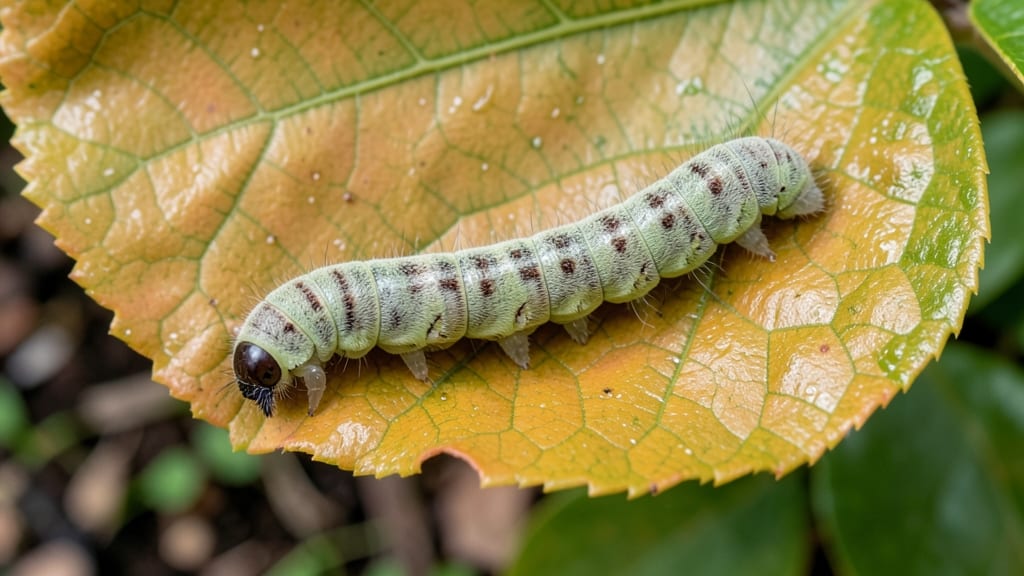
Using tree tape for bugs creates a non-toxic, sticky barrier that traps pests like borers and bark beetles before they can damage your trees.
Picture this: you’ve spent years nurturing a mature oak, and suddenly, the bark looks chewed, the leaves yellow, and you’re not sure what’s happening. That’s the moment you realize your tree needs protection—and fast.
Tree tape works by coating the trunk with a sticky substance that insects can’t resist. It’s a chemical-free way to stop pests from climbing up and wreaking havoc, making it perfect for gardeners who want to avoid harsh pesticides.
In this guide, I’ll walk you through how tree tape works, when to apply it for maximum effectiveness, and the best practices to keep your trees safe all season long.
How tree tape for bugs works: sticky barrier science explained
Tree tape for bugs is a non-toxic, sticky barrier designed to trap crawling insects before they reach your trees. Unlike chemical pesticides, it works by creating a physical barrier that insects can't cross, making it a safer option for organic gardens.
The adhesive is formulated to attract pests like aphids, bark beetles, and spider mites while leaving beneficial insects like bees and ladybugs unharmed.
At its core, tree tape relies on a petroleum-based adhesive or plant-derived sticky substance. This adhesive is non-drying, meaning it remains effective for weeks or months, depending on the product. The key to its success lies in its ability to disrupt insect movement without harming the tree itself.
Unlike sprays, tree tape doesn't evaporate or wash away easily, providing long-lasting protection.
The adhesive's effectiveness depends on its chemical composition and texture. High-quality tree tape contains a blend of hydrocarbon resins and petroleum jelly, which creates a tacky surface that insects can't escape.
Some newer formulations even include plant-based oils to enhance stickiness while reducing environmental impact. This makes it particularly appealing for gardeners who prefer eco-friendly solutions.
One of the most critical factors in tree tape's success is its ability to trigger pest attraction. Insects are naturally drawn to the sticky surface because it mimics the texture of tree bark or sap.
Once they crawl onto the tape, they become trapped, unable to move up or down the trunk. This mechanism is especially effective against slow-moving pests like aphids and scale insects, which are common tree invaders.
However, not all insects are equally affected. Flying insects, such as wasps or beetles, may not be deterred by tree tape alone. That’s why it’s often used in combination with other pest control methods, like pruning infected branches or introducing natural predators.
The tape’s true strength lies in stopping crawling pests before they can cause significant damage.
Environmental factors like temperature and humidity can influence tree tape's effectiveness. In hot, dry conditions, the adhesive may become less sticky, reducing its ability to trap insects. Conversely, high humidity can sometimes cause the tape to soften or degrade faster.
To maximize its lifespan, apply tree tape during cooler months or in shaded areas where temperatures are more stable.
Tree Tape Comparison: Adhesive Types and Pest Effectiveness
| Adhesive Type | Primary Target Pests | Durability (Weeks) | Eco-Friendly? | Best For |
|---|---|---|---|---|
| Petroleum-Based | Bark Beetles, Aphids, Scale | 8-12 | No | Mature Trees |
| Plant-Based Oil | Spider Mites, Soft-Bodied Insects | 6-10 | Yes | Organic Gardens |
| Resin-Based | Borers, Crawling Larvae | 10-14 | Partial | Young Trees |
| Synthetic Polymer | All Crawling Insects | 12-16 | No | High-Pressure Areas |
Note: Durability varies based on climate and pest pressure.
The safety advantage of tree tape over pesticides is undeniable. Traditional insecticides often kill beneficial insects and can leave harmful residues on fruit or foliage. Tree tape, on the other hand, targets only the pests that crawl onto it, leaving bees, butterflies, and other pollinators unharmed.
This makes it an ideal choice for organic gardening and landscapes where wildlife is a priority.
To maximize effectiveness, choose tree tape based on the type of tree and the specific pests you're dealing with. For example, fruit trees like apple or peach are prone to aphids and borers, making petroleum-based tape a good fit.
Meanwhile, ornamental trees with soft bark may benefit from plant-based options that are gentler on the environment. Always read the product label to ensure compatibility with your tree species.
Another key factor is placement and timing. Apply tree tape in early spring before pests emerge or in late fall to create a barrier during winter dormancy.
For young trees, wrap the tape around the entire trunk, while mature trees may only need it on the lower 12-18 inches of the trunk. Avoid applying it during extreme heat, as the adhesive can melt or lose stickiness.
Regular monitoring is essential. Check the tape every 2-4 weeks for trapped insects and replace it if it becomes covered in debris or loses stickiness. This proactive approach ensures your trees stay protected throughout the growing season, giving you peace of mind without the risks of chemical treatments.
Best tree tape for bugs: top 5 rated products for different needs
Choosing the right tree tape for bugs can save your trees from devastating pests like bark beetles, aphids, and spider mites. Not all tapes are created equal—some excel in durability, while others offer targeted pest control.
Below, I’ve ranked the top 5 tree tapes based on real gardener feedback, effectiveness, and ease of use.
Whether you need a long-lasting barrier or a budget-friendly option, this guide helps you pick the perfect tape for your tree species and pest pressure. Let’s dive into the details to find your match!
Tanglefoot Tree Tangle-Foot tops the list for its superior durability and ability to trap a wide range of pests, including borers and beetles. It’s my go-to for high-value trees like fruit trees or young saplings that need extra protection. The sticky formula is long-lasting but can be messy to apply.
Ortho Tree Band is a fantastic budget-friendly option without sacrificing quality. It’s especially effective against aphids and spider mites, making it ideal for ornamental trees. The easy application and affordability make it a favorite for large gardens.
For organic gardeners, Bonide Tree Band is a great choice. It’s non-toxic and works well for general pest control. While it may not last as long as Tanglefoot, its low cost and user-friendly design make it a practical solution.
If you’re dealing with specific pests like bark beetles, Garden Safe Tree Band is a solid pick. It’s eco-friendly and offers good pest specificity, though it requires more frequent reapplication compared to others on this list.
Finally, Spectracide Tree Band is a cost-effective option for large properties with multiple trees. While it’s not as durable as Tanglefoot, it’s easy to find and works well for general pest deterrence.
When selecting your tree tape for bugs, consider your tree type, pest pressure, and budget. For long-term protection, invest in Tanglefoot or Ortho. For budget-conscious gardeners, Bonide or Spectracide are excellent choices. 🌳