
Flowers
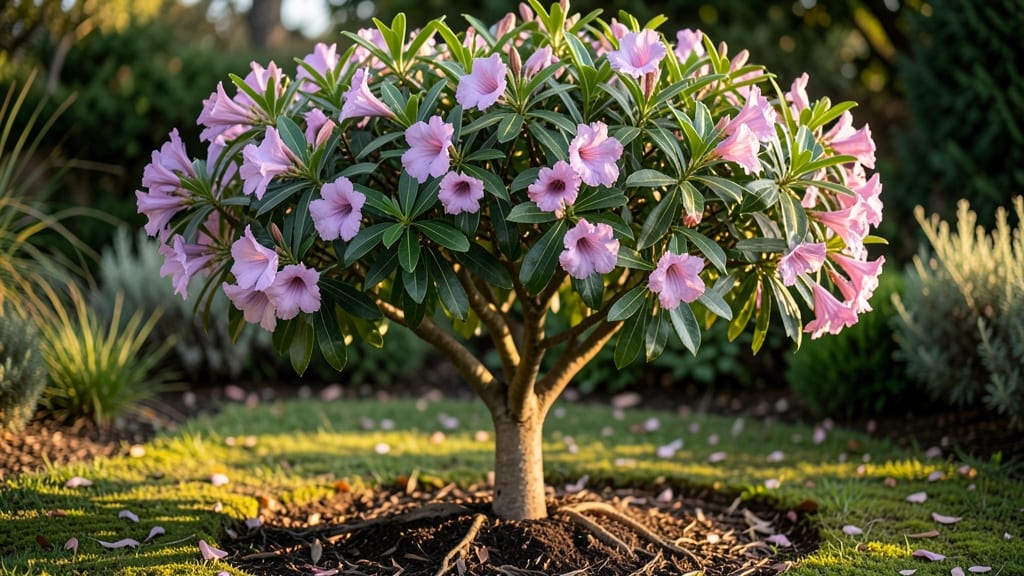
Warm climates finally get their own fragrant, everblooming tree with lilac flowers found in warm climates—no more waiting for spring to enjoy that sweet, intoxicating scent. 🌸 The crape myrtle (Lagerstroemia indica) might not look like your grandmother’s lilac, but its clusters of pink, purple, or white blooms smell just as heavenly and thrive where traditional lilacs would wilt.
This drought-tolerant stunner handles 100°F heat and humidity with ease, making it perfect for Southern gardens. While it needs full sun and well-draining soil, it’s surprisingly low-maintenance—just water deeply once established, and prune only to shape. The real magic?
It blooms summer through fall, giving you color when most trees are resting. You’ll love the butterfly magnet effect—these trees attract pollinators like crazy while keeping pests at bay. Even better, the bark peels in stunning shades of cinnamon and cream as winter approaches, adding year-round texture.
For warm climates, this is the ultimate no-fuss, high-impact tree. Works in USDA zones 7–10, and varieties like ‘Natchez’ (white) or ‘Tonto’ (lavender) offer heat-proof blooms. Let’s get yours planted!
Climate Mismatch Challenges
If you’re dreaming of a fragrant evergreen with lilac blooms thriving in warm climates, nature has a few tricks up its sleeve—and some unexpected hurdles. While lilac-loving trees like Lagerstroemia (crapemyrtle) or Jacaranda can adapt, their natural instincts often clash with tropical or subtropical conditions.
Here’s why these trees sometimes struggle to bloom reliably in warmth—and how to outsmart the problem.
Most lilac-flowering trees hail from temperate regions where cold winters trigger dormancy and flowering. Without this seasonal chill (typically 300–600 hours below 45°F), their metabolic cues get scrambled.
- Scientific reason: Many species rely on vernalization—a process where cold temperatures activate flowering genes. Skip the chill, and buds may fail to open or produce sparse blooms.
- Actionable fix:
- Choose heat-tolerant cultivars like Lagerstroemia ‘Natchez’ (crapemyrtle), bred to bloom with minimal chill hours.
- Simulate winter with artificial chilling: Store container-grown trees in a cool garage (35–45°F) for 6–8 weeks before planting.
Warm climates can turn a tree’s blooming season into a race against heat stress. High temperatures (above 90°F) often cause buds to drop before opening, while pollinators like bees may avoid the heat, reducing fruit/seed set.
- Scientific reason:
- Heat disrupts ethylene production, a hormone that regulates flower drop.
- Bees and butterflies (key pollinators) become lethargic above 95°F, limiting cross-pollination.
- Actionable fix:
- Plant in partial shade (e.g., near a building or taller trees) to lower canopy temperatures by 10–15°F.
- Install a drip irrigation system to keep soil moisture high—stressed roots = fewer blooms.
- Hand-pollinate in extreme heat: Gently shake branches to release pollen when bees are inactive.
Warm climates often mean drought-prone soil or waterlogged conditions, both of which stifle flowering. Lilac trees need a balanced moisture regime—too dry or too soggy, and their energy shifts from blooms to survival.
| Problem | Why It Happens | Solution |
|---|---|---|
| Drought stress | Root systems shrink, reducing nutrient uptake and flower bud formation. | Mulch with 3–4 inches of organic matter (wood chips, pine bark) and water deeply 2–3 times per week during dry spells. |
| Poor drainage | Waterlogged roots suffocate, limiting photosynthesis and bloom production. | Amend clay soil with sand or perlite; plant on a slight mound to improve drainage. |
Warm, humid climates create a pest paradise—aphids, scale, and fungal diseases like powdery mildew can drain a tree’s energy, leaving little for flowers.
- Scientific reason:
- Pests like aphids excrete honeydew, fostering sooty mold, which blocks sunlight and reduces photosynthesis.
- Fungal spores thrive in 75–85°F temperatures with high humidity, weakening the tree’s immune response.
- Actionable fix:
- Spray trees with neem oil (1 tbsp per gallon of water) every 2 weeks to deter pests.
- Prune for air circulation: Remove dense branches to reduce humidity around foliage.
- Apply copper fungicide at the first sign of mildew (white powdery spots on leaves).
Not all lilac-like trees are created equal. Some “lilac-flowering” species (like Jacaranda) are tropical natives, while others (e.g., Syringa lilacs) are cold-hardy. Planting the wrong type guarantees blooming disappointments.
- Scientific reason: Genetic adaptations vary—Jacaranda blooms in response to day length, while Lagerstroemia needs temperature shifts.
- Actionable fix:
- For year-round blooms in warmth, opt for:
- Jacaranda mimosifolia (blue lilac-like flowers, thrives in USDA Zones 9–11).
- Plumeria rubra (frangipani, fragrant white/pink blooms, Zones 10–11).
- Avoid common lilacs (Syringa) in warm climates—they’ll either refuse to bloom or die.
- For year-round blooms in warmth, opt for:
Revive Your Blooming Tree
Bringing back the vibrancy of your fragrant lilac-like tree in warm climates starts with identifying the root of the issue—whether it’s environmental stress, pests, or poor care. Below are practical, step-by-step solutions tailored to common problems, along with prevention tips to keep your tree thriving year-round.
If your tree struggles with stunted growth or wilting, the soil might be compacted, nutrient-deficient, or poorly drained.
How to Fix It: 🔥 Test the Soil
- Grab a handful of moist soil and squeeze it. If it forms a tight ball that doesn’t crumble, drainage is poor. If it crumbles easily, it may be too sandy and lacking nutrients.
- Use a soil test kit (available at garden centers) to check pH (ideal: 6.0–7.0) and nutrient levels.
🍳 Amend the Soil
- For clay-heavy soil: Mix in 2–3 inches of compost and coarse sand (like perlite) to improve aeration.
- For sandy soil: Add organic matter (compost, peat moss, or aged manure) to retain moisture and nutrients.
- Top-dress annually with a balanced fertilizer (10-10-10) in early spring to replenish nutrients.
👨🍳 Improve Drainage
- If your tree sits in a low spot, create a slight slope (1–2 inches over 3 feet) to redirect water away from the roots.
- Plant deep-rooted companions (like ornamental grasses) nearby to break up compacted soil naturally.
💡 Pro Tip: Mulch with wood chips or pine straw (2–3 inches deep) to retain moisture, regulate soil temperature, and suppress weeds—but keep mulch 6 inches away from the trunk to avoid rot.
Warm-climate lilac trees (like Lagerstroemia or Jacaranda) can suffer from heat scorch, sunburn, or winter cold snaps, leading to leaf drop or flower failure.
How to Fix It: 🔥 Provide Shade for Young Trees
- If leaves curl or turn brown in intense afternoon sun, install light shade cloth (30–50%) or plant near partial shade (e.g., under taller trees or near a building).
- Mature trees can handle full sun, but dappled shade in extreme heat (100°F+) helps.
🥘 Water Deeply and Infrequently
- Water at the base (not overhead) early in the morning to reduce evaporation.
- Aim for 1–1.5 inches per week, but deep-soak once every 10–14 days to encourage deep root growth.
- Avoid wetting foliage to prevent fungal diseases like powdery mildew.
⏰ Protect from Frost (If in Marginal Climates)
- If your area dips below 25°F, wrap the trunk in bubble wrap and cover young trees with frost cloth at night.
- Avoid pruning in late summer/fall—this encourages new growth that’s vulnerable to frost.
Pests like scale insects, aphids, or spider mites and diseases (e.g., root rot, powdery mildew) can drain your tree’s energy, leading to fewer flowers.
How to Fix It: 🔥 Identify the Problem
- Sticky leaves? = Aphids or scale.
- White powdery coating? = Powdery mildew.
- Yellowing leaves + soft stems? = Root rot (from overwatering).
🍳 Natural Pest Control
- Hose off soft-bodied pests (aphids, mites) with a strong stream of water in the early morning.
- Neem oil spray (1 tsp neem oil + 1 tsp mild soap per quart of water) repeated weekly kills pests and prevents reinfestation.
- Introduce beneficial insects: Ladybugs eat aphids; lacewings control mites.
👨🍳 Fungal Disease Treatment
- Prune infected branches (sterilize shears with rubbing alcohol) and dispose of them in the trash (not compost).
- Apply copper fungicide or a baking soda spray (1 tbsp baking soda + 1 quart water + a drop of soap) for powdery mildew.
- Improve airflow by thinning dense foliage.
💡 Pro Tip: Prevent future issues by pruning for airflow (remove crossing branches) and watering at the base to keep foliage dry.
Over-pruning or cutting at the wrong time can stress your tree, reducing blooms.
How to Fix It: 🔥 Prune at the Right Time
- Late winter/early spring (before new growth) is best for structural pruning.
- Lightly trim after flowering to shape, but avoid heavy cuts—this removes next year’s flower buds!
🍳 Use the Right Technique
- Cut just above a bud or branch collar (the swollen area where leaves/branches meet).
- Avoid "topping" (cutting back to a stub)—this invites disease and weak growth.
- Thin out dense areas to let sunlight and air circulate.
👨🍳 Encourage More Blooms
- Fertilize lightly in spring with phosphorus-rich fertilizer (e.g., 5-10-10) to boost flowering.
- Avoid nitrogen-heavy fertilizers (like lawn fertilizer)—they promote leafy growth but fewer flowers.
🎯 Pro Tip: If your tree hasn’t bloomed in years, it may be overdue for a rejuvenation prune—cut back 1/3 of the oldest stems to the ground in late winter to stimulate new growth.
Prevention Checklist for Long-Term Health: ✅ Soil: Test annually and amend every 2–3 years. ✅ Watering: Deep and infrequent; adjust for rain. ✅ Pests: Inspect monthly and treat early. ✅ Pruning: Follow the 3-cut rule (shape in winter, light trim post-bloom). ✅ Mulch: Refresh annually to prevent weeds and retain moisture.
With these fixes, your fragrant, ever-blooming tree will rebound—and stay resilient against warm-climate challenges! 🌸🌿
Frequently asked questions
What are the best fragrant trees with lilac-like flowers for hot climates?
Look for Lagerstroemia indica (crape myrtle) or Jacaranda mimosifolia. Crape myrtles thrive in USDA zones 7–10 and produce clusters of pink, purple, or white blooms that smell heavenly. Jacarandas offer stunning blue-violet flowers in zones 9–11, perfect for tropical regions.
Why won't my lilac-flowering tree bloom in warm weather?
Most lilac-like trees need cold winters to trigger blooming. In warm climates, try heat-tolerant varieties like 'Natchez' crape myrtle or store container-grown trees in a cool garage (35–45°F) for 6–8 weeks before planting to simulate winter.
How do I care for a fragrant tree in high humidity?
Prioritize airflow—prune to thin dense branches and avoid overhead watering. Use neem oil every 2 weeks to prevent fungal diseases like powdery mildew. Mulch with wood chips to keep roots cool and reduce humidity around the base.
Can I grow a lilac-flowering tree in a container?
Yes! Choose dwarf varieties like Lagerstroemia 'Tonto' (lavender blooms) or Jacaranda 'Uranus' (compact growth). Use a 15-gallon pot with well-draining soil, and move containers to partial shade during peak afternoon heat (100°F+).
What pests should I watch for in warm climates?
Watch for scale insects, aphids, and spider mites—they thrive in heat. Spray with neem oil (1 tbsp per gallon of water) weekly, and hose off soft-bodied pests with a strong stream of water in the morning. Introduce ladybugs to naturally control aphids.