
Flowers
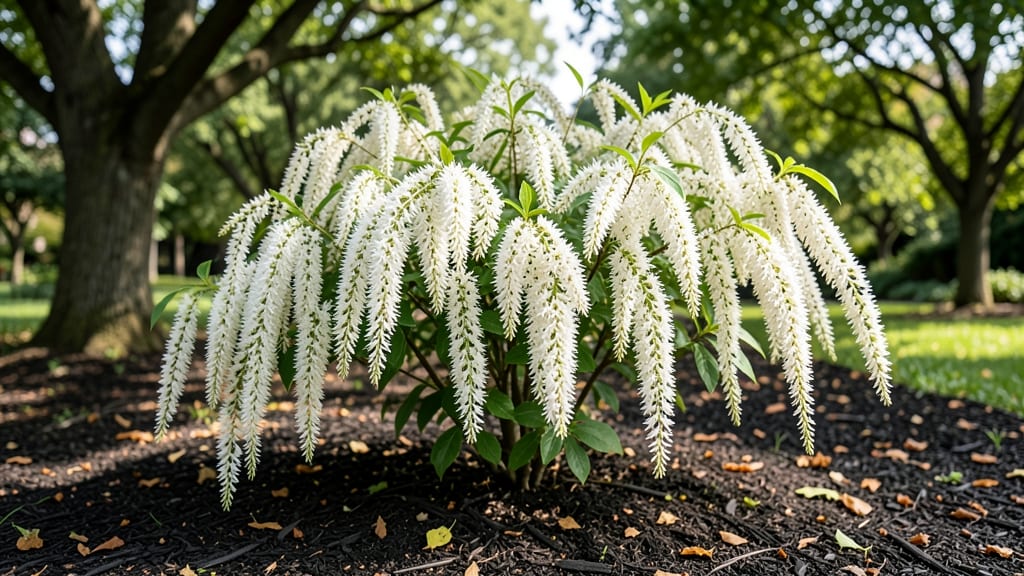
White panicle flowers transform any yard into a dreamy, romantic escape—especially when they come from a graceful tree. 🌿 I’ve always loved how these delicate blooms catch the light, creating a soft glow that lasts from late spring through summer.
The right tree not only adds vertical drama but also becomes the centerpiece of your garden’s design. These trees thrive in full sun to partial shade, making them versatile for borders, focal points, or even as standalone stars.
My favorite is the Fringe Tree (Chionanthus), whose cloud-like flowers smell faintly sweet and attract pollinators. For a taller statement, White Flowering Dogwood offers striking blooms paired with vibrant fall foliage. Once established, they require minimal fuss—just well-draining soil and occasional pruning to shape their growth.
Pair them with ferns or hostas for contrast, or let them stand alone as a living sculpture. The effect is pure, effortless elegance. Perfect for small urban yards or sprawling landscapes, these trees deliver year-round interest—from spring blooms to winter structure.
Here’s how to choose and place one for maximum impact.
📚 In This Guide
- What you need
- Instructions
- Tips and common mistakes
- Wrapping up and next steps
What you need
- ● Tree with white panicle flowers: 1 young sapling (3–5 ft tall) of Hortensia paniculata (e.g., 'Limelight,' 'Vanille Fraise,' or 'Little Lime')
- ● OR a potted variety like Weigela florida 'Wine & Roses' (for smaller spaces)
- ● High-quality potting soil: 5–10 gallons (well-draining, peat-based mix)
- ● Container or garden bed: Outdoor: 15–20 gallon pot (if container-grown) or prepared garden bed (6 ft x 6 ft for full growth)
- ● Indoor: Large decorative pot (18+ inches wide) with drainage holes
- ● Garden trowel or shovel (for planting)
- ● Pruning shears (sterilized, sharp)
- ● Gloves (to protect hands from thorns or soil)
- ● Watering can or hose (with adjustable nozzle)
- ● Mulch (2–3 inches of pine bark or shredded leaves)
- ● Fertilizer: Slow-release granular (10-10-10 NPK) or organic compost
- ● Support stake: 4–6 ft bamboo or metal stake (for young trees)
- ● Decorative accents: Gravel, rocks, or ornamental plants for styling
- ● Light meter: To check sunlight exposure (if indoors)
Step-by-step guide to planting and caring for a tree with white panicle flowers
Transform your landscape with these show-stopping trees that deliver seasonal interest and vertical drama.
🌱 Step 1: Select the Right Tree for Your Climate and Space
White panicle flowers appear on several stunning trees, including Hortensia paniculata (panicle hydrangea), Abelia grandiflora, and Deutzia. Each thrives in different conditions: panicle hydrangeas love partial sun and moist soil, while deutzia prefers full sun and well-drained spots. Measure your space—these trees mature between 8-15 feet tall, so ensure they won’t outgrow their spot.
I always check the USDA hardiness zone for my region before selecting. For example, Hydrangea paniculata handles zones 4-9, while Abelia thrives in zones 6-9. Planting the wrong variety in a harsh winter will stunt growth or kill the tree entirely. Visit your local nursery to see which trees bloom best in your area.
🪴 Step 2: Prepare the Planting Site for Optimal Growth
Choose a location with morning sun and afternoon shade for most white panicle trees—this prevents leaf scorch while ensuring vibrant blooms. Dig a hole twice as wide as the root ball but only as deep as the container’s base. Loosen the roots gently if they’re circling the pot, as compacted roots struggle to establish.
Amend the native soil with 2-3 inches of compost mixed into the bottom of the hole. This improves drainage and provides nutrients for the first critical growing season. Avoid heavy clay soil—it holds too much moisture and can suffocate roots. If your soil is dense, add a 50/50 mix of native soil and perlite to create a looser medium.
☀️ Step 3: Plant and Water for Immediate Root Establishment
Place the tree in the hole so the top of the root ball sits 1 inch below the surrounding soil level. This prevents stem rot from poor drainage. Backfill with native soil, pressing lightly to remove air pockets but avoiding compaction. Water deeply until moisture reaches 12 inches down—you’ll see water pooling at the edges before it drains.
Mulch with 2-3 inches of shredded bark, keeping it 6 inches away from the trunk to prevent moisture buildup. Water 2-3 times per week for the first month, ensuring the soil stays evenly moist but not soggy. Overwatering at this stage leads to root rot, while underwatering causes transplant shock. Check soil moisture by sticking your finger 2 inches deep—if it’s dry, water again.
✂️ Step 4: Prune and Fertilize for Seasonal Blooms
Prune in late winter or early spring before new growth appears. Remove dead, crossing, or weak branches first, then shape the tree by cutting back 1/3 of the previous year’s growth to encourage bushier blooms. Use sterilized pruners to prevent disease spread—wipe blades with rubbing alcohol between cuts.
Fertilize in early spring with a balanced 10-10-10 formula, applying ½ cup per inch of trunk diameter. For example, a 3-inch trunk gets 1.5 cups of fertilizer. Water thoroughly after applying to help nutrients reach the roots. Repeat in mid-summer for a second bloom cycle. Avoid high-nitrogen fertilizers—they promote leafy growth at the expense of flowers.
🌿 Step 5: Maintain Year-Round Health and Beauty
Monitor for aphids or powdery mildew, common pests on white panicle trees. Spray with neem oil at the first sign of infestation—it’s organic and effective. In fall, remove spent blooms but leave seed heads for winter interest. Apply a 3-inch layer of mulch annually to retain moisture and regulate soil temperature.
Adjust watering as seasons change: water weekly in summer when rainfall drops below 1 inch, and reduce to monthly in winter unless the ground is frozen. Watch for yellowing leaves—this often signals overwatering or nutrient deficiency. A simple soil test reveals what’s missing, so you can amend with iron or potassium as needed.
Tips & tricks for perfect white panicle flower trees
Here's what nobody tells you about getting those show-stopping blooms year after year.
Climate Matching: The USDA zone chart isn't just a suggestion—it's your tree's survival guide. If you're on the edge of a zone (like planting Abelia in zone 5), give it extra winter protection with burlap wraps or mulch volcanoes. I learned this the hard way after losing two young trees to unexpected frost. The 8-15 foot mature height means you'll have this commitment for decades, so get it right from day one.
Root Ball Liberation: That circling root issue isn't just a minor detail—it's a silent growth killer. When you see roots spiraling around the container, gently tease them apart with your fingers before planting. Think of it like untangling headphones: patience prevents future choking. This simple step can double your tree's establishment success rate in the first critical year.
Watering Wisdom: The 2-3 inch mulch ring isn't just decoration—it's your moisture regulator. Keep that mulch 6 inches from the trunk to prevent rot while letting it do its job of locking in moisture. The 2-3 times weekly watering schedule is non-negotiable for the first month, but after that, let the soil dry slightly between waterings. I use a moisture meter now, but the finger test works too—just stick it 2 inches deep and trust your touch.
Pruning Precision: That 1/3 growth reduction in Step 4 isn't arbitrary—it's the magic number for bushier blooms. Always cut just above a leaf node or outward-facing bud. I mark my cuts with a piece of masking tape before making them to visualize the shape. And never prune in fall—wait until late winter when the tree is dormant to avoid inviting pests and diseases.
Pro Tips for Tree With White Panicle Flowers
- Here's what nobody tells you about getting those show-stopping blooms year after year.
- Climate Matching: The USDA zone chart isn't just a suggestion—it's your tree's survival guide.
- Root Ball Liberation: That circling root issue isn't just a minor detail—it's a silent growth killer.
Frequently asked questions
Got questions about trees with stunning white panicle flowers? You’re not alone! Here are some common queries—and their answers—to help you choose, care for, and enjoy these show-stopping plants with confidence.
What are the most popular trees with white panicle flowers?
Top picks include the Hydrangea paniculata (like ‘Limelight’ or ‘Little Lime’), Abelia grandiflora, Weigela florida, and Deutzia varieties. These thrive in zones 5–9 and offer seasonal interest with blooms from summer to fall. For a bold statement, Hydrangea paniculata is a standout!
When do white panicle flowers bloom, and how long do they last?
Most bloom in late summer to early fall (August–October), with some varieties like ‘Limelight’ Hydrangea lasting up to 4 months if deadheaded. Early bloomers (e.g., Weigela) may flower in spring too. Choose based on your desired season of color!
How much water do these trees need, and what’s the best soil type?
Young trees need regular watering (1–2 inches/week), while established ones are drought-tolerant. They prefer well-draining, slightly acidic soil (pH 5.5–6.5). Amend heavy clay with compost to prevent root rot. Mulch around the base to retain moisture—just keep it 3 inches away from the trunk.
Can I grow a white panicle tree in a pot, or is it better planted in the ground?
Yes! Smaller varieties like ‘Little Lime’ Hydrangea or Dwarf Abelia thrive in 15–20 gallon pots with drainage holes. Use a balanced fertilizer (10-10-10) in spring. For larger trees, in-ground planting ensures stability and root growth. Containers limit size but work well for patios or small spaces!
What pests or diseases should I watch for, and how do I prevent them?
Common issues include aphids, spider mites, or powdery mildew. Prevent pests with neem oil sprays and avoid overhead watering to reduce mildew. Prune in late winter to improve airflow. If leaves yellow or wilt, check for root rot—ensure pots have drainage and soil isn’t soggy.
How can I extend the blooming season for my white panicle tree?
Deadhead spent blooms in early fall to encourage reblooming. For Hydrangeas, prune in late winter to remove old wood. Fertilize lightly in spring and summer with a low-phosphorus formula (e.g., 10-6-10). Mulching and consistent watering also boosts vigor and flower production!
Wrapping up and next steps
Transforming your space with a tree adorned with white panicle flowers isn’t just about aesthetics—it’s a celebration of nature’s grace and resilience. 🌿 From selecting the right species like the Hortensia or Weigela to mastering pruning and care, every step brings you closer to a lush, year-round vertical garden that turns heads.
Whether you’re a seasoned gardener or just starting, the key is patience and passion!
Ready to bring this beauty to life? Start small—plant one tree today, and watch as it grows into a stunning focal point. Share your progress with fellow plant lovers, and don’t forget to tag us in your garden transformations! 🌸