
Pruning
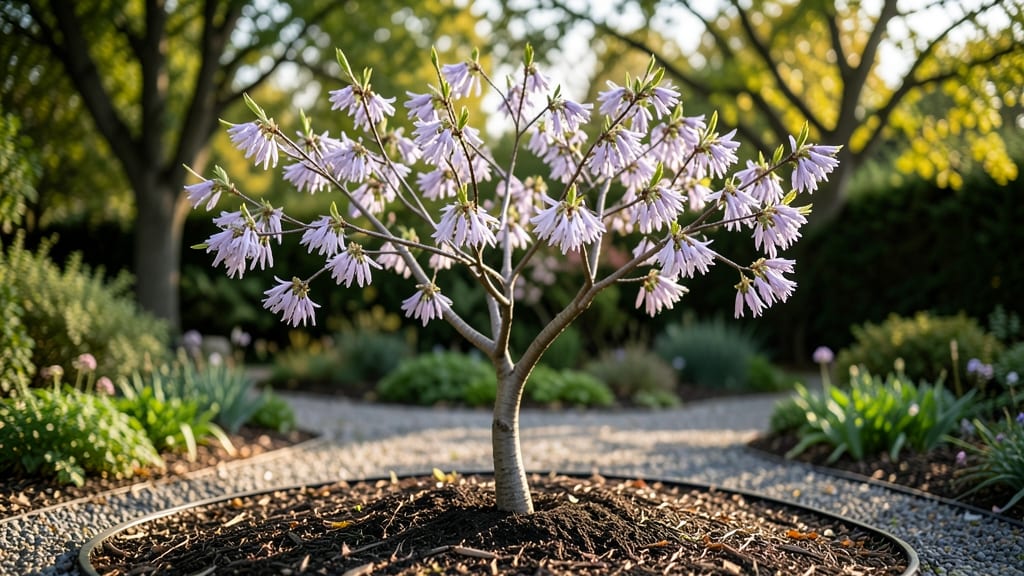
Winter pruning your Chinese fringe tree transforms its skeletal branches into a spring-blooming masterpiece. 🌿 I’ve watched mine go from bare winter sticks to a cloud of white blossoms in just six weeks—here’s the exact timing and technique to make it happen without stress.
The key is pruning after the first hard frost but before new buds swell—typically late January to early February in most zones. This encourages fresh growth while keeping the tree’s natural shape. You’ll also protect tender new shoots from late frosts by wrapping them in burlap if needed.
By spring, you’ll have a tree that’s both neatly shaped and bursting with fragrant blooms. The secret? Prune selectively—focus on removing dead wood and thinning crowded branches to let light reach the center. Works for both young trees and mature specimens.
Let’s get your fringe tree ready for its showstopping season!
📚 In This Guide
- What you need
- Instructions
- Tips and common mistakes
- Wrapping up and next steps
What you need
- ● Bypass pruners: Sharp, high-quality pruners (e.g., Felco or Fiskars) for clean cuts on small branches.
- ● Loppers: 1 pair (8–12" blades) for thicker branches (up to 2" diameter).
- ● Pruning saw: 1 lightweight saw (e.g., Fiskars PowerGear) for branches over 2" in diameter.
- ● Garden gloves: 1 pair of cut-resistant gloves (e.g., Mechanix Wear) for safety.
- ○ Disinfectant (optional but recommended): 70% isopropyl alcohol or a 10% bleach solution in a spray bottle to sterilize tools between cuts.
- ○ Pruning sealant (optional): Wound dressing (e.g., Tanglefoot Tree Wound Pruning Sealer) for large cuts (controversial but useful for some gardeners).
- ● Ladder or step stool: If your tree is tall (6–10 ft), a stable ladder or stool (3–4 ft height) for safe access.
- ● Weather check: Prune on a dry, calm day (avoid frost or rain within 24 hours).
- ● Safety gear: Safety glasses (for debris) and long sleeves/pants to protect from thorns.
- ● Clean workspace: Lay down a tarp or old sheet to catch debris (especially if pruning near walkways).
- ● Tree health assessment: Inspect the tree for dead, diseased, or crossing branches before pruning.
Step-by-step guide to pruning your Chinese fringe tree in winter
Winter is the perfect time to shape your Chinese fringe tree—here’s how to do it without stress or mistakes.
✂️ Step 1: Time Your Pruning for Best Results
Prune your Chinese fringe tree (Chionanthus retusus) in late winter—after the last hard frost but before new growth begins. This is usually February or March in most climates, when the tree is still dormant but the threat of frost has passed. You’ll know it’s time when the ground is thawed but no buds have swollen yet.
I always check the forecast for a stretch of dry, mild days before grabbing my pruners. Pruning in damp conditions stresses the tree, and cold snaps can damage fresh cuts. If you miss the window, don’t worry—you can still prune in early spring, but you’ll sacrifice some of the tree’s early-season energy.
🌿 Step 2: Assess the Tree’s Structure and Shape
Stand back and study your tree’s form. Chinese fringe trees naturally grow with a rounded, multi-stemmed habit, so avoid turning it into a single-trunk specimen unless you’re going for a formal look. Look for dead, crossing, or rubbing branches—these are your top priorities for removal.
I like to sketch a rough outline of the tree’s shape in my head (or on paper). The goal is to maintain an open center that allows light and air to circulate. Thin out branches that grow inward or downward—they’ll never get enough sunlight and will only create a tangled mess. Remember, fringe trees bloom on old wood, so avoid heavy pruning of last year’s growth.
✂️ Step 3: Make Clean Cuts at the Right Spots
Use sharp, clean pruners to make cuts just outside the branch collar—the swollen area where the branch meets the trunk. Cut at a 45-degree angle if the branch is thicker than ½ inch, but for thinner branches, a straight cut is fine. Never leave stubs; they invite disease and weak growth.
For larger branches, I make a two-step cut: first, undercut about ¼ inch away from the branch collar, then make the final cut just outside the collar. This prevents the bark from tearing. If you’re removing a branch thicker than 2 inches, consider using a pruning saw to avoid damaging the tree. Always sterilize your tools with rubbing alcohol between cuts to prevent spreading disease.
🌱 Step 4: Thin Out for Airflow and Light
Remove up to 25% of the tree’s total growth in a single session—this keeps the tree healthy without shocking it. Focus on thinning out rather than topping (cutting back to a specific height). Topping encourages weak, bushy growth and reduces next year’s blooms.
I target branches that are crowded or growing toward the center—these are the ones that steal energy from the rest of the tree. Step back occasionally to check your progress. The goal is a balanced, open canopy that lets sunlight reach the inner branches. If you’re unsure, err on the side of caution and remove less—you can always prune more next year.
💧 Step 5: Clean Up and Monitor for Recovery
After pruning, rake up and dispose of all clippings—don’t leave them under the tree, as they can harbor pests and diseases. Water the tree deeply to help it recover, especially if the winter was particularly dry. A 2-3 inch layer of mulch around the base (but not touching the trunk) will protect the roots and retain moisture.
Watch for new growth in 4-6 weeks—this is your sign that the tree is healing well. If you see yellowing leaves, wilting, or excessive dieback, you may have pruned too aggressively. In that case, next year’s pruning should be lighter. Chinese fringe trees are forgiving, but they reward gentle, strategic pruning with vibrant blooms and strong structure for years to come.
Tips & tricks for perfect Chinese fringe tree pruning
Here's what nobody tells you about keeping your Chinese fringe tree looking its best without stressing the plant.
The Timing Secret: The late winter window between February and March is your sweet spot for pruning. I've learned the hard way that pruning too early can expose fresh cuts to late frosts, while waiting too long risks encouraging new growth before the tree's fully hardened off. Check your local frost dates—this is your pruning cue. If you miss the window, early spring is still acceptable, but you'll sacrifice some of the tree's early-season energy reserves.
Branch Collar Technique: This is where most people go wrong. When making cuts, always look for that swollen branch collar where the branch meets the trunk. Cut just outside this collar at a 45-degree angle for branches thicker than ½ inch. I've made the mistake of cutting too close or leaving stubs—both invite disease and create weak growth points. For branches over 2 inches thick, use a pruning saw and make that two-step cut to prevent bark tearing.
Thinning vs Topping: The key to healthy growth is thinning out, not topping. I used to make the mistake of cutting back branches to a specific height, which creates dense, weak growth. Instead, focus on removing crowded or inward-growing branches to create that open canopy. Remember, you're aiming for a balanced shape that lets sunlight reach all parts of the tree. If you're unsure, remove less—you can always prune more next year.
Recovery Check: After pruning, watch for new growth in 4-6 weeks. This is your sign the tree is healing well. If you see yellowing leaves or excessive dieback, you may have pruned too aggressively. In that case, next year's pruning should be lighter. Chinese fringe trees are forgiving, but they reward gentle, strategic pruning with vibrant blooms and strong structure for years to come.
Pro Tips for Chinese Fringe Tree In Winter
- Here's what nobody tells you about keeping your Chinese fringe tree looking its best without stressing the plant.
- The Timing Secret: The late winter window between February and March is your sweet spot for pruning. I've learned the...
- Branch Collar Technique: This is where most people go wrong. When making cuts, always look for that swollen branch co...
Frequently asked questions
Got questions about keeping your Chinese fringe tree (Chionanthus retusus) thriving in winter? You’re not alone!
Here are answers to the most common concerns—from timing and tools to troubleshooting—so you can prune with confidence and enjoy those stunning winter blooms.
When is the best time to prune a Chinese fringe tree in winter?
The ideal window is late winter (February–early March), just as new growth begins but before buds swell. This timing ensures you remove dead wood while preserving next year’s blooms. Avoid pruning in deep freeze—wait for temps above 40°F (4°C) to reduce stress on the tree.
Can I prune a Chinese fringe tree in late winter if I missed the usual window?
Yes, but with caution! If you skip late winter, prune in early spring (March–April) instead. Avoid heavy cuts after mid-spring, as this can reduce flowering. Light shaping (removing only dead or crossing branches) is safer if you’re late—but prioritize health over aesthetics.
How cold can Chinese fringe trees tolerate before pruning is risky?
Chinese fringe trees handle USDA Zone 4–8 winters, but pruning in extreme cold (below 20°F/-7°C) stresses the tree. If temps drop suddenly, wait until a mild, dry day (above 40°F/4°C) to prune. Cold-weather cuts can invite disease or rot—think of it like trimming your hair in a blizzard!
What should I do if my Chinese fringe tree isn’t blooming after winter pruning?
Bloom failure often stems from over-pruning (cutting more than 20% of the canopy) or removing flower buds (which form on old wood). Focus on light shaping—trim only dead, diseased, or crossing branches. If blooms still lag, fertilize in early spring with a balanced 10-10-10 formula. Patience pays off!
Are there winter-hardy alternatives to Chinese fringe tree for colder climates?
If your winters are harsh (Zone 3 or below), consider these low-maintenance, winter-interest plants:
- Winter Honeysuckle (Lonicera fragrantissima): Fragrant white blooms in late winter.
- Dwarf Fothergilla (Fothergilla gardenii): Stunning fall color + winter exfoliating bark.
- Amelanchier (Serviceberry): Edible berries + early spring flowers.
Wrapping up and next steps
The Chinese fringe tree (Chionanthus retusus) thrives in winter with the right pruning care—transforming bare branches into a stunning, blooming spectacle while keeping your yard effortlessly shaped.
By mastering the timing, technique, and tools outlined here, you’ll enjoy year-round beauty with minimal stress. Ready to see your tree shine brighter than ever?
🌿 Next step: Grab your pruners, mark those branches, and give your Chinese fringe tree the winter makeover it deserves—your future blooms will thank you!