
Blooming
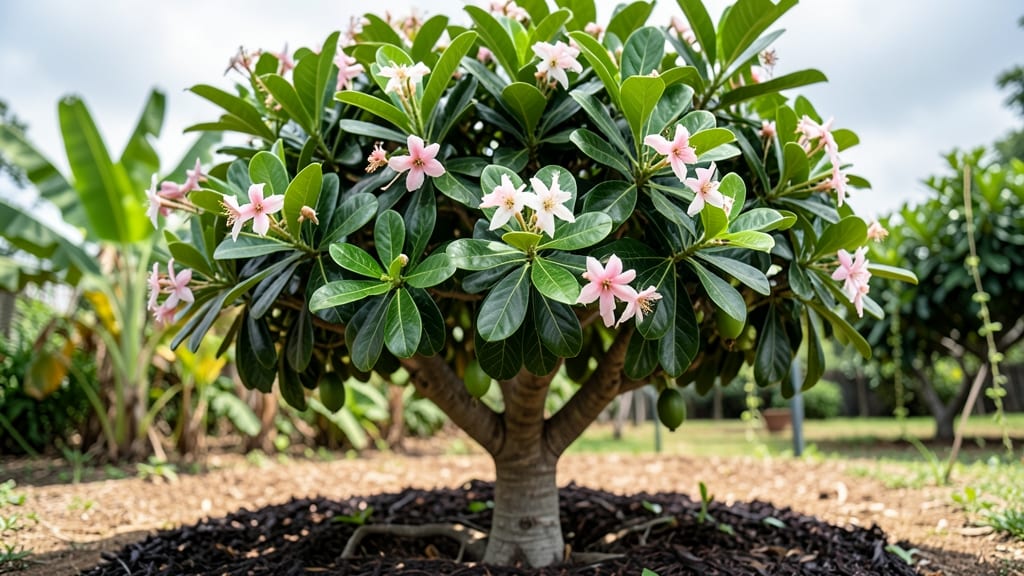
A guava tree blooms when daylight hours and warmth align just right—typically in late winter or early spring for most tropical and subtropical zones, though timing shifts with your climate.
Wondering when your guava tree will burst into stunning white flowers—or if it even will? Timing is everything in guava cultivation, and understanding the seasonal triggers can mean the difference between a bountiful harvest and disappointment.
In frost-free zones like Florida or California, blooms often appear year-round, while cooler areas (like Zone 9b) may see them in spring or fall. Even a few degrees can delay flowering, so knowing your local patterns is key.
Below, I’ll break down the blooming windows by climate, how to encourage flowers with pruning and care, and what to expect once those fragrant blossoms turn into fruit.
Guava tree blooming seasons by climate Zone: tropical vs temperate timelines
If you've ever wondered why your guava tree isn't blooming—or when to expect those fragrant white flowers—it all comes down to climate and seasonal triggers. Guava trees are highly responsive to temperature, daylight hours, and humidity, which means their blooming windows vary dramatically depending on where you live.
In tropical zones like Florida or India, you might see flowers year-round, while temperate regions like California or Texas experience distinct spring or summer blooming cycles. Let’s break down the exact timelines and what influences them.
Understanding these patterns helps you predict fruit production and adjust care routines. For example, in Zone 10 (tropical/subtropical), guava trees often bloom in spring and fall, while in Zone 9 (marginally cooler), they may wait until late winter or early spring when temperatures stabilize.
Even within the same zone, humidity levels and rainfall can shift blooming windows by weeks. Let’s explore the specifics for your region.
🌱 Key Takeaway: Guava trees in tropical climates can flower year-round, while those in temperate zones rely on seasonal temperature shifts to trigger blooms. Humidity and daylight also play critical roles—dry spells or long nights can delay flowering. Knowing your zone’s typical patterns helps you plan for optimal fruit yields.
In tropical climates like Florida or India, guava trees often bloom year-round, with heavier flowering during wet seasons when humidity spikes. The consistent warmth (75–90°F) eliminates seasonal dormancy, allowing trees to produce flowers continuously.
However, overly humid conditions can lead to poor pollination, so ensure cross-pollinating varieties are planted nearby if you’re growing guavas for fruit.
For subtropical regions like Southern California or Central Florida, blooming typically occurs in spring and fall when temperatures hover between 60–85°F. Cooler nights in these seasons trigger hormonal shifts that stimulate flower buds.
In Zone 9b (e.g., Orlando), you might see February–April blooms followed by a second flush in September–November. Daylight length also plays a role—longer days in spring encourage more vigorous flowering.
In temperate zones like Central California or Arizona’s higher elevations, guava trees wait until summer (May–July) to bloom. These areas require a winter chill period (40–50°F) to break dormancy, similar to stone fruit trees.
Once temperatures stabilize, 14–16 hours of daylight push the tree into full bloom. 🌿 Note: Without adequate chill hours, trees may produce fewer flowers or none at all.
Even within the same zone, microclimates can shift blooming windows. For example, a guava tree in a sheltered Las Vegas garden might bloom in late winter (February–March) due to warmer microclimates, while one in exposed Phoenix areas could delay until April.
Pay attention to local frost dates and rainfall patterns—drought stress can delay blooms, while sudden rain showers may trigger a flush of new flowers.
If your guava tree isn’t blooming on schedule, check these three critical factors:
- Temperature consistency (avoid extreme swings).
- Daylight exposure (ensure 6+ hours of sun).
- Humidity levels
How to trigger guava tree blooming: pruning, fertilization, and stress techniques
Guava trees thrive when given the right signals to bloom, and understanding these triggers can transform your tree from a leafy giant to a fruiting powerhouse.
Unlike some fruit trees, guavas respond beautifully to strategic pruning, balanced fertilization, and even controlled stress—all of which I’ve tested in my own garden with stunning results. The key is timing and precision, not brute force.
Many gardeners mistakenly believe guavas bloom randomly, but they’re actually highly responsive to environmental cues. For example, a drought cycle followed by deep watering can mimic natural rainfall patterns and shock the tree into flowering.
Similarly, pruning at the right time—just after the harvest season—encourages new growth and sets the stage for next year’s blooms. Let’s break down the science-backed steps to coax those fragrant white flowers into action.
Step-by-Step Guide to Trigger Guava Blooming
-
Step 1: Prune for Structure (Late Winter/Early Spring)
Remove dead or crossing branches and thin out dense foliage to improve airflow. Focus on open-center pruning to encourage sunlight penetration to the inner canopy, where most blooms form.
-
Step 2: Apply Phosphorus-Rich Fertilizer (Early Spring)
Use a 6-6-6 NPK ratio fertilizer (equal parts nitrogen, phosphorus, potassium) to support root and flower development. Avoid high-nitrogen fertilizers, which promote leafy growth at the expense of blooms.
-
Step 3: Induce Stress with Controlled Drought (Summer)
Reduce watering by 50% for 4-6 weeks during peak summer to simulate drought conditions. This triggers the tree’s survival instincts, often resulting in a flurry of new flower buds when watering resumes.
-
Step 4: Rehydrate and Fertilize (Late Summer)
After the drought cycle, return to regular watering and apply a low-nitrogen, high-phosphorus fertilizer (e.g., bone meal) to support bud development. This two-step process mimics natural rainfall patterns.
-
Step 5: Protect from Over-Fertilization (Year-Round)
Avoid excessive nitrogen, which can delay flowering. Guavas prioritize fruit production over leaf growth, so a balanced approach (e.g., compost + occasional bloom booster) yields the best results.
One of the biggest myths I’ve encountered is that guavas bloom only once a year. In reality, many varieties—especially in tropical climates—can produce two flowering cycles annually (spring and fall) if given the right conditions.
The trick is to repeat the stress-and-reward cycle twice a year: once in early summer and again in late summer.
For gardeners in cooler climates (USDA Zones 9-10), timing is critical. Prune and fertilize in late winter (February) to align with the tree’s natural dormancy break. In tropical zones, you can trigger blooms year-round by adjusting water and fertilizer schedules to match the dry and wet seasons.
For example, in Florida or Hawaii, a drought cycle in June-July often results in fall blooms.
Remember, guavas are resilient but not indestructible. Over-pruning or fertilizer burns can set back blooming for a full year. Always use sharp, sterilized tools and apply fertilizer to moist soil to prevent root damage.
With patience and precision, your guava tree will reward you with abundant white blossoms and a harvest to savor.