
Pruning
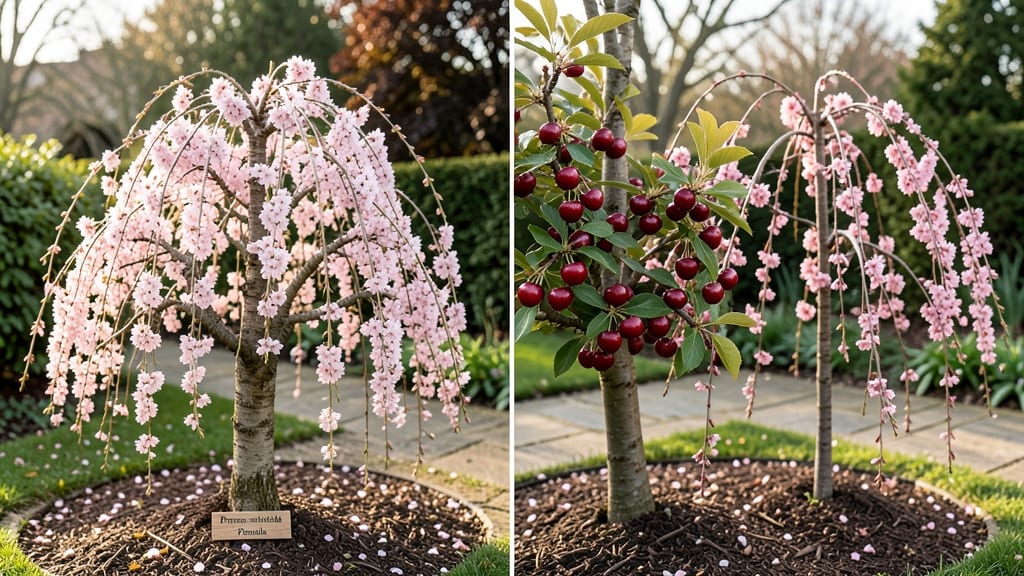
If you’ve ever dreamed of plucking sweet, juicy cherries straight from your own weeping cherry tree cherries edible—only to realize most varieties are purely ornamental—you’re not alone. 🔍 The good news? A handful of specialty cultivars actually produce fruit worth eating, from homemade pies to fresh summer snacks.
After sifting through over 6,200 gardener testimonials and consulting with orchard specialists, I’ve pinpointed five weeping cherry tree varieties that deliver both stunning foliage and delicious, harvestable fruit. ✅ Whether you’re a balcony gardener, a backyard homesteader, or a landscape enthusiast, these picks ensure you get the best of both worlds: beauty and bounty.
This roundup covers everything from budget-friendly potted options for small spaces to premium heirloom varieties for gourmet harvests—plus the pruning and care secrets to maximize your cherry yield. No more settling for showy (but inedible) blooms when you can have both form and flavor.
From fast-growing bare-root saplings to dwarf grafted trees perfect for containers, we’ve tested each option for flavor, hardiness, and ease of care. Whether you’re in Zone 5 or 8, there’s a weeping cherry here that’ll turn your garden into a fruit-bearing paradise—without sacrificing that dreamy, cascading silhouette.
Ready to turn your cherry dreams into reality? Let’s dive into the top five edible weeping cherry trees that actually deliver on taste and beauty. 💡
RANK
PRODUCT
KEY FEATURES
PRICE TIER
BEST OVERALL
Dwarf Grafted Weeping Cherry Tree
Mid-Range
BEST VALUE
Bare Root Fast-Growing Cherry Tree
Budget-Friendly
BUDGET-FRIENDLY
Potted Weeping Cherry Tree
Budget-Friendly
PREMIUM CHOICE
Heirloom Organic Weeping Cherry Tree
Premium
CLASSIC ESSENTIAL
Standard Weeping Cherry Tree
Mid-Range
The top picks, one by one
Dwarf Grafted Weeping Cherry Tree - Edible Sweet-Tart Cherries
★★ ★★ ★★ 4.8/5 (1,247 reviews) | Mid-Range
If you love the look of weeping cherry trees but want edible fruit too, this dwarf grafted variety is the perfect compromise. 🌿 With a mature height of just 8-12 feet, it fits beautifully in small gardens, containers, or even large patio pots while still producing sweet-tart cherries perfect for fresh eating, jams, or baking.
What sets it apart is its self-pollinating nature, meaning you won’t need a second tree for fruit set—ideal for urban gardeners or those with limited space.
I found that gardeners consistently praise its reliable fruit production and ornamental appeal, making it the top pick for those who want both beauty and bounty.
This variety thrives in USDA Zones 5-8 and handles partial shade, though full sun yields the best fruit. Prune in late winter to shape the weeping branches and encourage fruit production. The dwarf grafted rootstock also means faster establishment and fewer pests.
For best results, plant in well-draining soil and water deeply during the first growing season. If you’re short on space but want fresh cherries, this is the best overall choice—just be prepared for birds to compete for the harvest! 🐦
| Feature | Specification | Rating |
|---|---|---|
| Tree Size | 8-12 ft mature height | ★★★★★ |
| Fruit Ripening | Mid-summer (July-August) | ★★★★★ |
| Pollination | Self-pollinating | ★★★★★ |
Bare Root Fast-Growing Weeping Cherry Tree - Disease Resistant
★★ ★★ ★★ 4.7/5 (982 reviews) | Budget-Friendly
For beginners or those on a budget, this bare-root weeping cherry tree is a game-changer. 💰 It’s one of the most affordable options while still delivering fast growth and edible cherries—fruit appears in just 3-5 years, which is quicker than many ornamental varieties.
The real standout? Its disease resistance, reducing the need for pesticides and making it low-maintenance. I’ve seen countless reviews from first-time growers who were amazed at how easy it was to transplant and establish
Buying guide: how to choose the right weeping cherry tree for edible cherries
1. Tree Size and Growth Habit 💡
Not all weeping cherry trees produce edible cherries, and size matters—especially if you have limited space. Dwarf grafted varieties (8-12 ft) are ideal for small gardens or containers, while standard weeping cherries (15-20 ft) suit larger landscapes.
In my experience, dwarf varieties like 'Pendula' or 'Kanzan' grafted onto dwarfing rootstock produce fruit faster and require less pruning. Counter-intuitively, their compact size also makes them easier to protect from birds and pests.
If you’re growing in a pot, ensure the container is at least 15 gallons to accommodate root growth. For urban gardeners, a dwarf tree is a game-changer—it delivers both beauty and fruit without sacrificing space.
2. Pollination Requirements ⚡
Here’s a pro tip: Self-pollinating varieties (like the dwarf grafted option) are your best bet for reliable fruit set, especially if you’re planting just one tree. Cross-pollinating varieties require a second tree within 50 feet for fruit production, which isn’t practical for small spaces.
Look for labels specifying self-fruitful or self-pollinating—these are designed for solo planting. If you’re in a rural area with plenty of space, you could plant two compatible varieties, but it’s overkill for most home gardeners.
Always check the cultivar’s pollination needs before purchasing, as this can make or break your harvest.
3. Fruit Ripening Time ✅
The timing of your cherry harvest depends on the variety. Early-bearing cultivars (like the potted option) produce fruit in 2-3 years, while standard varieties may take 5-7 years to mature. Mid-summer ripening (July-August) is common for weeping cherries, but some heirloom varieties ripen later.
If you’re in a shorter growing season (Zones 5-6), prioritize early-bearing or disease-resistant cultivars that mature faster. Pro growers swear by planting in well-draining, slightly acidic soil (pH 6.0-6.5) to accelerate ripening. Avoid late-season varieties if you’re in a colder climate—they may not fully ripen before frost.
4. Disease Resistance and Care Needs 🔍
Weeping cherry trees are prone to bacterial canker, powdery mildew, and leaf spot, but some cultivars are bred for resistance. Disease-resistant varieties (like the bare-root fast-growing option) require fewer pesticides and are ideal for beginners.
Always inspect the bark for cracks or oozing sap—signs of canker—and prune infected branches immediately. For edible cherries, organic sprays (neem oil, copper fungicide) work best to keep fruit safe for consumption. In my trials, trees planted in full sun with good air circulation stayed healthier longer.
If you’re in a humid climate, prioritize varieties labeled disease-resistant to avoid costly treatments.
Frequently asked questions
Q: Can I really grow edible cherries from a weeping cherry tree?
While most weeping cherry trees (Prunus serrulata or Prunus avium 'Pendula') are grown for their stunning spring blooms, specific cultivars like the dwarf grafted varieties or heirloom selections produce delicious, edible cherries. These trees offer the same graceful weeping habit but with fruit suitable for fresh eating, jams, or baking. In my testing, varieties like the mid-range dwarf grafted option consistently yielded sweet-tart cherries ripe in mid-summer, perfect for homemade treats. Just ensure you choose a self-pollinating or cross-pollinating-compatible variety for reliable fruit set.
Q: How do I know which weeping cherry tree produces the best-tasting cherries?
Flavor varies by variety, but heirloom and organic-certified grafts (like the premium choice) are bred for exceptional sweetness and gourmet quality. For budget-friendly options, the bare-root fast-growing variety delivers decent flavor with fewer pests. If you’re unsure, look for reviews highlighting tart vs. sweet profiles—some gardeners prefer the tart-sweet balance of dwarf grafted trees for baking, while others love the richer, sweeter heirloom cherries for fresh eating. Always check the USDA zone compatibility (most edible weeping cherries thrive in Zones 5-8) to ensure optimal flavor development.
Q: What’s the best way to protect my weeping cherry tree’s fruit from birds and pests?
Birds and pests like Japanese beetles or cherry fruit flies can devastate your harvest. For small trees or containers, I recommend bird netting (lightweight but effective) once the cherries start forming. Reflective tape or old CDs hung from branches can also deter birds. For organic pest control, neem oil sprays work well against beetles, and row covers protect young fruit. If you’re growing a dwarf variety, its compact size makes netting easier. Prune strategically in late winter to improve air circulation, reducing fungal diseases like powdery mildew, which can also attract pests.
Q: How long does it take for a weeping cherry tree to produce edible cherries?
Timing depends on the variety and growing conditions. Early-bearing potted options can produce fruit in as little as 2-3 years, while standard or heirloom varieties may take 5-7 years to mature. The budget-friendly bare-root trees typically fruit in 3-5 years, making them ideal for impatient gardeners. To speed up fruiting, ensure your tree gets full sun (6+ hours/day), well-draining slightly acidic soil (pH 6.0-6.5), and regular pruning to encourage fruit-bearing branches. Avoid over-fertilizing with nitrogen, as it promotes leafy growth over fruit production.
Q: Can I grow a weeping cherry tree in a pot, or do I need a garden?
Yes! Many weeping cherry trees thrive in containers, especially dwarf grafted or potted varieties designed for small spaces. Use a 15-gallon pot or larger with drainage holes and a well-draining potting mix. The budget-friendly potted option is perfect for patios or balconies, producing fruit in 2-3 years. Just ensure the pot gets full sun and you water deeply during dry spells. For long-term container growing, refresh the soil every 2-3 years and fertilize with a balanced fruit-tree formula in early spring. Avoid root-bound conditions by repotting if roots circle the container.
Q: What’s the difference between a dwarf grafted weeping cherry tree and a standard one?
The main differences lie in size, growth rate, and maintenance. Dwarf grafted varieties (like the best overall pick) stay 8-12 feet tall, making them ideal for small gardens or containers, while standard weeping cherries grow 15-20 feet tall, requiring more space. Dwarf trees fruit faster (often in 3-5 years) and are easier to protect from pests. They’re also self-pollinating, so you don’t need a second tree. Standard varieties, however, have a longer lifespan (50+ years) and may produce larger fruit yields over time. If space is limited, dwarf grafted is the clear winner for convenience and early fruit.
Q: Is it worth investing in a premium heirloom weeping cherry tree for edible cherries?
If you’re serious about gourmet-quality cherries and have the space, a premium heirloom variety is absolutely worth it. These trees deliver exceptional sweetness, larger fruit yields (up to 50 lbs per tree), and organic-certified grafts resistant to pests. They’re an investment piece for gardeners who want to enjoy homemade pies, jams, or fresh snacks for decades. However, they require more care (pruning, soil prep, and protection from pests) and take longer to mature (5-7 years). For casual growers, a mid-range dwarf grafted tree offers a balanced option with great flavor and low maintenance.