
Watering
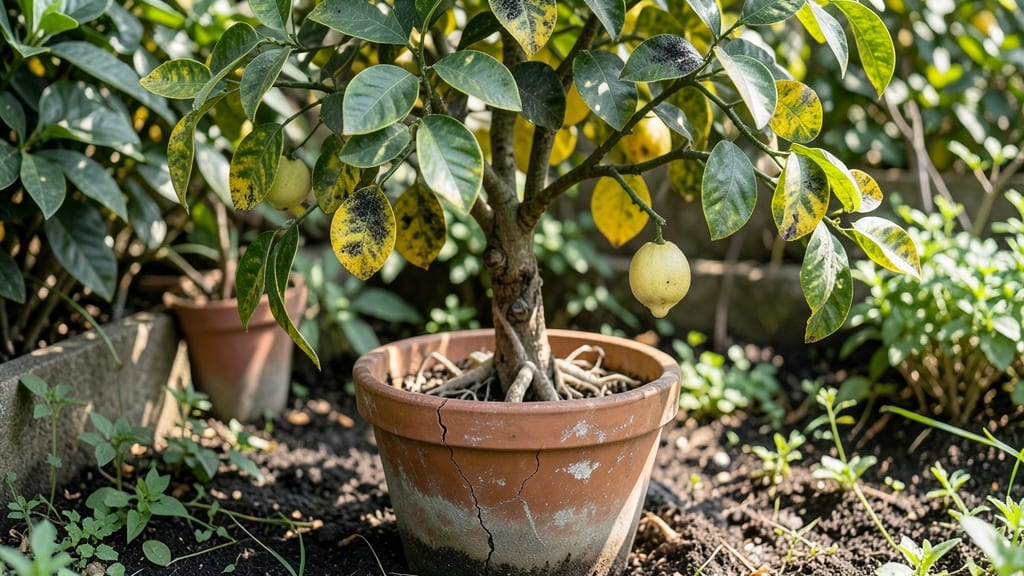
Overwatered citrus trees look like they're drowning in their own pot—yellowing leaves, mushy stems, and roots that smell like rot. 🌱 I’ve seen it too many times: a once-vibrant lemon tree reduced to a sad, drooping mess because someone thought "more water = happier plant."
The truth? Citrus trees hate soggy roots, and the signs are unmistakable once you know what to watch for.
Start with the leaves: bright yellow patches or entire leaves turning yellow and falling off are classic overwatering warnings. Then check the soil—it’ll feel cold, heavy, and cling to your fingers like wet clay. Roots?
If they’re brown, mushy, or smell foul, that’s root rot setting in, and your tree is in trouble. The good news? Fixing it is simpler than you’d think, and your citrus can bounce back with the right care.
You’ll need to adjust your watering routine first—citrus trees prefer their soil to dry out between waterings. Improve drainage by amending the soil with perlite or sand, and consider repotting if the current container lacks drainage holes.
Prune any mushy stems or severely yellowed branches to redirect energy to healthy growth. Within a few weeks, you’ll see new green leaves pushing through, and your tree will start looking perky again.
This works for potted citrus trees and those in the ground, though container plants need more frequent checks. The key is patience—don’t rush the recovery, and avoid the temptation to overwater again. With time, your tree will reward you with fresh fruit and glossy leaves that’ll make your neighbors jealous.
Common Causes of Overwatering
Overwatering your citrus tree isn’t just about giving it too much love—it’s a mix of environmental, soil, and human factors that can drown its roots before you even notice.
Understanding these causes helps you adjust your care routine before the damage becomes irreversible. Let’s break down the science behind why this happens.
Citrus trees thrive in well-draining soil because their roots need oxygen to breathe. When soil lacks proper drainage—whether due to clay-heavy composition, compacted layers, or a lack of organic matter—water pools around the roots instead of draining away.
This creates anaerobic conditions, where roots suffocate and can’t absorb nutrients efficiently.
- Clay soil holds water like a sponge, preventing excess moisture from escaping.
- Compacted soil (often from foot traffic or heavy machinery) blocks water flow, trapping it near the roots.
- Lack of amendments (like sand, perlite, or compost) reduces porosity, making drainage worse.
Actionable fix: Test your soil’s drainage by digging a hole, filling it with water, and timing how long it takes to drain. If it takes more than 30 minutes, amend the soil with coarse sand or organic matter.
Even with good soil, inconsistent watering habits—like sticking to a rigid schedule without checking moisture levels—can lead to overwatering. Citrus trees in containers dry out faster than those in the ground, while in-ground trees may retain moisture longer.
Ignoring these differences means you might be watering when the roots are already soggy.
- Automatic irrigation systems (like timers or drip lines) can overwater if not adjusted for seasonal changes.
- Rainfall assumptions often lead to overwatering, especially in humid climates where evaporation is slow.
- Seasonal neglect (e.g., watering the same amount in winter as in summer) disrupts the tree’s natural rhythm.
Actionable fix: Use the "finger test"—stick your finger 2–3 inches into the soil. If it’s damp, wait before watering. In containers, check the weight: a dry pot feels lighter.
Potted citrus trees are at higher risk because their root systems are confined to a small volume of soil. Without proper drainage holes or overflow mechanisms, water has nowhere to go but into the roots. Even if you water less frequently, the limited space means roots can’t "escape" excess moisture.
- Small pots restrict root growth, increasing competition for oxygen and water.
- Plastic pots retain more moisture than terracotta, slowing evaporation.
- No mulch layer in containers means water evaporates unevenly, leaving roots wet longer.
Actionable fix: Upgrade to a pot 20–30% larger than the root ball and ensure it has drainage holes. Elevate pots on saucers or stands to improve airflow.
Humidity, temperature, and wind all play a role in how quickly soil dries. In high-humidity areas (like coastal regions), water evaporates slowly, keeping soil moist longer. Meanwhile, cold temperatures slow root activity, making the tree less capable of processing excess water.
- High humidity (above 70%) reduces evaporation, keeping soil saturated.
- Low temperatures (below 60°F) slow metabolic processes, including water absorption.
- Shade without airflow traps moisture near the soil surface, preventing it from drying out.
Actionable fix: Choose well-ventilated spots for your tree, especially in humid climates. If growing in containers, move them to a slightly shaded area during peak humidity to encourage evaporation.
Many gardeners overwater because they don’t recognize early signs of stress—like yellowing leaves or wilting—mistaking them for underwatering. Citrus trees actually prefer slightly dry conditions between waterings, and their leaves can droop temporarily when thirsty (a sign to water more), but prolonged sogginess leads to permanent damage.
- Misinterpreting wilting as a need for more water (when it’s often the opposite).
- Skipping soil checks after heavy rain or irrigation.
- Using the wrong watering tools (e.g., soaker hoses without timers or overhead sprinklers that waste water).
Actionable fix: Train yourself to touch the soil daily during hot spells. If the top inch is dry, water deeply—but if it’s still damp, wait. A moisture meter can take the guesswork out of it.
When overwatering persists, root rot sets in—usually caused by Phytophthora or Fusarium fungi that thrive in waterlogged conditions. These pathogens attack the roots, blocking nutrient uptake and causing the tree to weaken.
By the time you see black, mushy roots or fungal growth, it’s often too late for recovery.
- Fungal spores spread rapidly in saturated soil, especially in warm climates.
- Weakened roots can’t support the tree, leading to leaf drop and branch dieback.
- Chemical imbalances (like excess nitrogen from overwatering) further stress the tree.
Actionable fix: If you suspect root rot, prune affected roots, repot in fresh, sterile soil, and adjust watering immediately. For severe cases, a fungicide treatment may be necessary.
Pro Tip: 💡 Citrus trees in containers should never stay in standing water. Always empty saucers after watering to prevent root suffocation!
Revive Your Citrus Tree Step by Step
Overwatering can feel like a slow-motion disaster for citrus trees, but the good news is that with the right care, you can nurse them back to health. The key is acting fast, adjusting your watering habits, and giving your tree the support it needs to bounce back.
Below, we’ll break down practical fixes for each symptom of overwatering, plus tips to keep your citrus tree thriving long-term.
Yellowing leaves are often the first sign of overwatering, and they’re usually caused by root suffocation or nutrient deficiencies (like iron or nitrogen). Here’s how to turn things around:
1️⃣ Adjust Your Watering Routine
- Stop watering immediately for 3–5 days to let the soil dry out. This helps prevent further root rot.
- Water deeply but less frequently—citrus trees prefer dry spells between waterings.
Aim for 1–1.5 inches of water per week (including rainfall), but check soil moisture first. - Use the finger test: Stick your finger 2–3 inches into the soil. If it’s damp, wait before watering again.
2️⃣ Improve Soil Drainage Poor drainage is a major culprit.
If your tree is in a pot: - Repot in well-draining soil (a mix of 50% potting soil, 30% perlite, and 20% sand or compost). - Add gravel or broken pottery at the bottom of the pot to create drainage layers. - Ensure pots have drainage holes—if not, drill them or switch to a new container.
For in-ground trees:
- Amend the soil with compost or organic matter to improve aeration.
- Avoid planting in low-lying areas where water pools after rain.
3️⃣ Fertilize for Recovery Yellow leaves often signal a nutrient imbalance.
Use a balanced citrus fertilizer (like 6-6-6 or 8-3-9) to replenish lost nutrients: - Apply fertilizer every 4–6 weeks during growing season (spring–fall). - Avoid over-fertilizing—this can burn roots and worsen the problem. - For severe chlorosis, use a chelated iron supplement (like iron sulfate) to boost chlorophyll production.
Drooping branches usually mean root stress or fungal infections from soggy soil. Here’s how to revive them:
1️⃣ Prune Damaged Growth
- Trim back severely wilting branches with sterilized pruning shears to redirect energy to healthier parts.
- Remove any blackened or mushy roots if you’re repotting (healthy roots should be firm and white).
- Prune in early morning to reduce stress on the tree.
2️⃣ Boost Air Circulation
Stagnant, humid air encourages fungal growth. To prevent further damage:
- Space trees properly (at least 6–10 feet apart for mature citrus).
- Thin out dense foliage to improve airflow.
- Avoid overhead watering—use drip irrigation or soaker hoses instead.
3️⃣ Treat Fungal Issues (If Present)
If you spot black spots, mold, or white powdery mildew:
- Spray with neem oil (a natural antifungal) or copper fungicide (follow label instructions).
- Apply in the early morning for best results.
- Remove and destroy infected leaves to prevent spread.
If your citrus tree has soft, mushy roots or a foul-smelling soil, root rot may have set in. Act fast:
1️⃣ Remove the Tree (If Necessary)
- If more than 50% of the roots are rotted, the tree may not recover. In this case:
- Dig it up carefully and inspect the roots.
- Dispose of the plant (do not compost—rot can spread).
2️⃣ Salvage a Mild Case
If only some roots are affected:
- Trim away all mushy, black roots with clean shears.
- Repot in fresh, sterile potting mix with perlite or sand for drainage.
- Hold off on watering for 7–10 days to let roots heal.
3️⃣ Prevent Future Rot
- Never let soil stay soggy—citrus trees hate "wet feet."
- Use raised beds or containers if your garden retains too much moisture.
- Mulch lightly (1–2 inches of organic mulch) to regulate soil temperature and moisture.
Once your tree recovers, prevent overwatering with these habits:
✅ Know Your Citrus Type – Some varieties (like lemon and lime) need slightly more water than oranges or grapefruits. Research your specific tree’s needs.
✅ Water in the Morning – This gives leaves time to dry, reducing fungal risks.
✅ Use the Right Pot Size – A pot that’s too large holds excess moisture. Choose one that’s only 1–2 inches larger than the root ball.
✅ Monitor Soil Moisture – Invest in a moisture meter or use the finger test regularly.
✅ Drain Excess Water – After watering, empty saucers under pots within 30 minutes to prevent waterlogging.
✅ Adjust for Climate – In humid or rainy seasons, reduce watering frequency. In hot, dry weather, increase slightly (but never let soil stay wet).
Reviving an overwatered citrus tree takes patience and consistency, but it’s absolutely doable! By cutting back on water, improving drainage, and giving your tree the right nutrients, you’ll see new green growth in 4–8 weeks.
And once it’s back in shape, your citrus tree will reward you with lush foliage, sweet fruit, and years of happy gardening.
Pro Tip: 🌡️ Keep a watering journal to track how often you water and how your tree responds—this helps you fine-tune care for next time!
Frequently asked questions
How can I tell if my citrus tree is overwatered vs. underwatered?
Overwatered citrus trees show bright yellow leaves that stay attached, mushy stems, and soil that smells sour or rotten. Underwatered trees have dry, crispy brown edges on leaves and soil that pulls away from the pot. The key difference? Overwatered leaves yellow all over, while underwatered leaves brown at the edges first.
Can I save my citrus tree if the roots are already rotting?
You might still save it if only some roots are affected. Trim away all black, mushy roots, repot in fresh, sterile soil with perlite, and withhold water for 7-10 days. For severe cases where 50%+ of roots are rotted, the tree likely won't recover—dig it up and dispose of it properly to prevent spreading rot.
Why do my citrus leaves turn yellow but stay attached?
This classic overwatering sign happens because soggy roots can't absorb nutrients properly, causing chlorosis (yellowing). The leaves stay attached because the tree isn't stressed enough to drop them yet. Check the soil—if it's cold, heavy, and smells foul, that's your confirmation. Fix drainage immediately to prevent permanent damage.
How often should I water my citrus tree after fixing overwatering?
Once recovered, water your citrus tree when the top 2-3 inches of soil are dry. In summer, this might be every 5-7 days; in winter, every 10-14 days. Always check with your finger—if it's damp, wait. Use the weight test for containers: a dry pot feels noticeably lighter than a wet one.
Will my citrus tree ever produce fruit again after overwatering?
Yes! With proper care, your tree can recover and produce fruit within 6-12 months. Focus on balanced fertilization (like 6-6-6) and consistent drainage. Young trees may take longer to rebound, but mature trees often bounce back surprisingly fast once the roots heal. Healthy new growth is your best indicator of recovery.