
Pests and Diseases
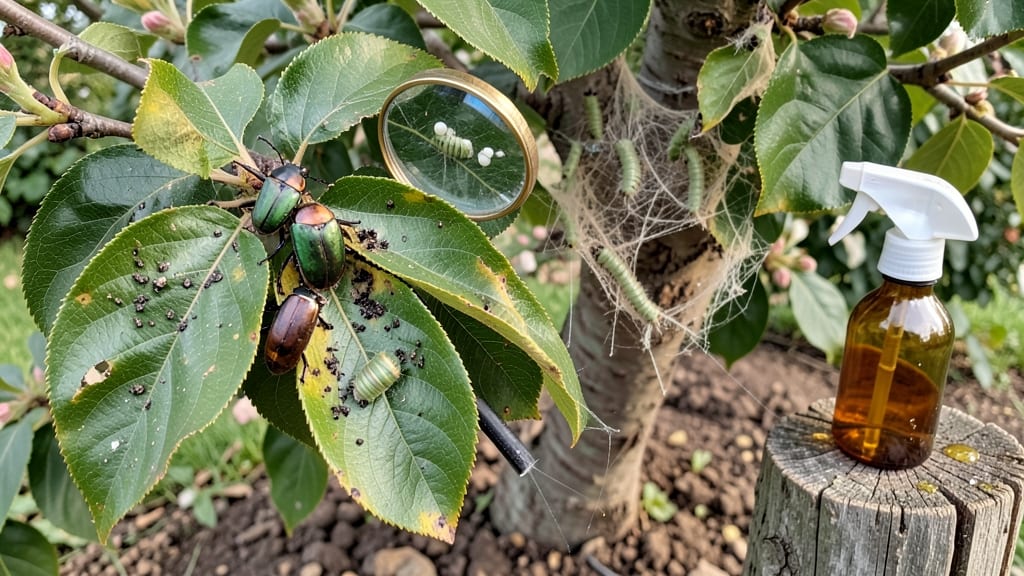
What is eating my cherry tree leaves? faster than you can say "harvest season," and I’ve been there—frustrated, confused, and desperate to save those sweet, fragrant blooms. 🌿 The culprits aren’t always obvious, but knowing what’s chewing on your tree is half the battle. From tiny caterpillars to sneaky beetles, these pests leave behind telltale signs that help you act fast before your tree looks like a skeleton. Most damage happens between spring and early summer, when hungry larvae and adult insects strike. I’ve seen entire branches stripped bare in just a few days, but the key is catching the problem early—before the pests move on to your neighbors’ trees. The good news? Many solutions are simple, whether you’re dealing with chewed edges, skeletonized leaves, or mysterious holes. By the end of this guide, you’ll recognize the 10 most common leaf-munchers and know exactly how to stop them—without harsh chemicals. We’re talking organic sprays, physical barriers, and even bird-friendly fixes that protect your tree while keeping your garden ecosystem balanced. No more guessing games. Let’s turn that leaf loss around before your tree’s next flush of growth. The sooner you act, the sooner you’ll be back to admiring those glossy, intact leaves—and maybe even enjoying a few cherries this season.
Root Causes Behind Leaf Loss
Understanding why your cherry tree’s leaves are disappearing starts with recognizing the primary triggers—whether biological, environmental, or a mix of both. Each cause has a distinct signature, from chewed edges to skeletonized foliage, and knowing the "why" helps you act fast.
Below, we break down the most common reasons, backed by science, so you can diagnose your tree’s distress accurately.
Cherry trees are a buffet for pests, and insects are the most visible culprits. Their feeding habits leave telltale signs, from tiny holes to entire leaves stripped bare. Here’s how they do it:
- Japanese Beetles (Popillia japonica) These metallic-green invaders skeletonize leaves—they eat the soft tissue between veins, leaving a lace-like pattern. Adults emerge in late June to August, targeting cherry, rose, and grape leaves.
Their larvae (white grubs) also damage roots, weakening the tree’s ability to support foliage. 💡 Pro Tip: Look for chewed leaf edges and fecal pellets (frass) on the ground beneath the tree.
- Cherry Leaf Spot Fungus (Blumeriella jaapii) While not an insect, this fungal pathogen creates small, purple-brown spots with yellow halos, causing premature leaf drop.
It thrives in wet, humid conditions (spring and fall) and weakens the tree’s defenses, making it easier for pests like aphids to move in. ✨ Key Clue: Infected leaves may curl or drop early, even if no insects are present.
- Aphids & Scale Insects (Aphis spp., Quadraspidiotus spp.) These sap-sucking pests cluster on new growth, causing leaves to yellow, curl, and drop. Unlike chewing insects, they inject toxins that stunt leaf development.
Heavy infestations lead to sticky honeydew (a sign of aphids) or white, waxy scale on branches. 🔥 Warning: Scale insects multiply rapidly in dry, hot summers—check bark crevices for tiny bumps.
- Caterpillars & Moth Larvae (Orgyia leucostigma, Malacosoma spp.) Tent caterpillars and loopers defoliate trees overnight. Their silken tents or chewed leaves with frass are dead giveaways.
Unlike beetles, they target young leaves first, often leaving only midribs intact. 👨🍳 Prevention: Prune out nests in early spring before eggs hatch.
Not all leaf loss is due to pests—environmental factors can weaken cherry trees, making them more susceptible to infestations or direct damage.
- Water Stress (Over/Under-Irrigated) Cherry trees need deep, infrequent watering (1–2 inches per week). Overwatering leads to root rot (Phytophthora spp.), which yellows leaves and causes premature drop. Drought stress triggers wilting, brown edges, and leaves curling inward to conserve moisture. 🌡️ Quick Fix: Test soil moisture 2 inches below the surface—if dry, water deeply.
If soggy, improve drainage with compost or sand.
- Nutrient Deficiencies Yellowing leaves (especially between veins) often signal iron or nitrogen deficiency.
Cherry trees are heavy feeders, and poor soil can’t keep up. Magnesium deficiency (yellow patches between veins) or potassium deficiency (brown leaf edges) are common in acidic or compacted soil. 📊 Soil Test Tip: Use a home test kit or send a sample to a local extension office for a full mineral analysis.
- Extreme Temperatures or Sunburn Late frosts (<28°F) can scorch new leaves, while intense afternoon sun on young trees causes brown, crispy patches (sunburn).
Sweet cherries (Prunus avium) are especially sensitive to spring temperature swings. 🛡️ Protection: Use frost cloth in early spring and dappled shade for young trees in hot climates.
- Mechanical Damage Hail, strong winds, or lawnmower blades can tear leaves or crush branches, leading to rapid browning. Even bird perches (like robins) can peck holes in soft new growth. 🔪 Avoid: Mowing too close to the trunk—keep grass 3+ inches away to prevent girdling damage.
Pathogens compromise leaf health, making trees more attractive to pests or causing direct defoliation.
- Powdery Mildew (Podosphaera spp.) This white, powdery fungus coats leaves, blocking sunlight and causing yellowing and drop. It thrives in shady, humid conditions (common in dense plantings).
Infected leaves may curl or shrivel before falling. 💡 Early Action: Apply neem oil or sulfur sprays at the first sign of white fuzz.
- Bacterial Leaf Spot (Pseudomonas syringae) Water-soaked, dark spots with yellow halos appear on leaves, often after rain. The bacteria clogs stomata (pores), preventing gas exchange and leading to premature drop. ⚠️ Caution: Avoid overhead watering—use drip irrigation to keep foliage dry.
- Canker Diseases (Neofabraea spp., Leucostoma spp.) These fungal cankers create sunken, oozing wounds on branches, which starve leaves of nutrients. Infected branches may die back, causing one-sided defoliation. 🔪 Prune Out: Remove and dispose of infected branches (don’t compost!) to prevent spread.
🔍 Next Steps: Now that you know the why, the next section will help you match symptoms to solutions—whether it’s organic sprays, pruning, or soil fixes. Stay tuned!
How to Fix Your Cherry Tree
Now that you’ve identified the culprit behind your cherry tree’s leaf loss, it’s time to take action! Below are practical, step-by-step solutions tailored to each common pest or disease, along with prevention tips to keep your tree thriving.
Whether it’s chewed leaves, holes, or discoloration, these fixes will help your cherry tree bounce back—without breaking the bank or using harsh chemicals (unless absolutely necessary).
🔥 Japanese Beetles: Trap & Remove Japanese beetles are voracious leaf munchers, and they multiply fast.
Here’s how to stop them: - 🍳 Handpick beetles in the morning when they’re sluggish (drop them in soapy water). - 👨🍳 Install pheromone traps (but place them far from your tree—they can attract more beetles if too close!). - 🥘 Spray with neem oil (1 tbsp per quart of water) or kaolin clay (a natural repellent that coats leaves). - 🌱 Plant trap crops like roses or marigolds to lure them away.
💡 Pro Tip: Prune and destroy heavily damaged leaves to weaken their population.
🐛 Aphids & Spider Mites: Blast Them Away These tiny pests suck sap, causing leaves to curl and yellow.
Fight back with: - 🔪 Blast off with water—a strong hose spray (early morning) dislodges aphids. - 🌡️ Use insecticidal soap (mix 2 tbsp mild soap + 1 quart water; spray undersides of leaves). - 🎯 Introduce beneficial insects like ladybugs or lacewings (buy them online or at garden centers). - 🌿 Apply diatomaceous earth (food-grade only!) around the base to dehydrate mites.
✨ Prevention: Keep your tree well-watered—stress attracts pests!
🐛 Tent Caterpillars: Wrap & Destroy These fuzzy bands of caterpillars devour leaves overnight.
Act fast: - 🔪 Prune and burn infested branches (or seal in a bag for trash pickup). - 🥘 Wrap the trunk with burlap or tree wrap to deter egg-laying moths. - 🌱 Apply Bacillus thuringiensis (Bt)—a natural bacteria that kills caterpillars without harming other insects.
💡 Pro Tip: Check for egg masses in late fall/winter and scrape them off with a stiff brush.
🍄 Powdery Mildew: Scrub & Spray This white, powdery fungus thrives in humid conditions.
Fight it with: - 🔪 Prune affected branches (sterilize tools with rubbing alcohol). - 🌡️ Spray with baking soda mix (1 tsp baking soda + 1 quart water + a drop of soap). - 🎯 Improve airflow by thinning dense foliage or spacing trees farther apart. - 🌿 Apply copper fungicide (follow label instructions) for severe cases.
✨ Prevention: Water early in the day so leaves dry quickly.
🍄 Leaf Spot Diseases: Remove & Rotate Brown spots with yellow halos? That’s leaf spot, and it spreads fast.
Stop it with: - 🔪 Remove and destroy infected leaves (don’t compost them!). - 🌱 Apply a fungicide (copper-based or organic like neem oil). - 🌿 Practice crop rotation if you’re growing other plants nearby. - 💡 Pro Tip: Space out watering—avoid overhead sprinklers in humid weather.
🐇 Deer & Rabbits: Fence & Repel If large chunks are missing, it’s likely wildlife.
Try these tactics: - 🔪 Install a 6-foot-tall fence (deer can jump high!). - 🌡️ Use repellents like hot pepper wax (mix cayenne pepper + wax) or commercial sprays. - 🎯 Plant deer-resistant alternatives nearby (e.g., boxwood, lavender). - 🌿 Set up motion-activated sprinklers to scare them off.
💡 Pro Tip: Hang aluminum pie pans on strings—they create noise that deters rabbits.
🐿️ Squirrels & Birds: Scare & Secure These critters peck at leaves and buds.
Keep them away with: - 🔪 Use netting or bird netting to cover young trees. - 🌱 Hang reflective objects (old CDs, foil strips) to startle them. - 🎯 Apply pet-safe repellents like granules with capsaicin (follow instructions). - 🌿 Pick unripe fruit if birds are targeting it (they love cherries!).
No matter the issue, healthy trees fight back better.
Boost your cherry tree’s resilience with: - 💪 Proper watering (deep, infrequent watering—1 inch per week). - 🥗 Balanced fertilization (use a low-nitrogen, high-potassium fertilizer in early spring). - 🌿 Regular pruning (remove dead/diseased branches in late winter). - 🌡️ Monitor for stress (wilting, yellowing?
Check soil moisture and pests).
✨ Prevention Checklist: ✅ Inspect leaves weekly (catch problems early!). ✅ Clean up debris (falling leaves can harbor pests/diseases). ✅ Avoid over-fertilizing (weakens tree defenses).
Final Thought: Most leaf-eating problems are manageable with quick action. Start with one fix, monitor progress, and adjust as needed. Your cherry tree will thank you with lush, healthy foliage—and maybe even a bountiful harvest! 🍒🌿
Frequently asked questions
What’s the fastest way to tell if caterpillars are eating my cherry tree leaves?
Look for silken tents or chewed leaves with frass (black droppings) along branches. Tent caterpillars leave behind lace-like webs between branches, while loopers chew irregular holes in leaves. Check undersides of leaves too—they’re often hidden there.
Can I use coffee grounds to stop pests from eating my cherry tree?
Yes! Sprinkle used coffee grounds around the base of your tree—they repel slugs, snails, and some insects while adding nitrogen to the soil. For chewing pests like Japanese beetles, mix with water to create a spray (1:1 ratio) and apply to leaves. Refresh every 3-4 days for best results.
Why are my cherry tree leaves turning yellow but no pests are visible?
Yellowing leaves often signal nutrient deficiencies (like iron or nitrogen) or overwatering. Test soil moisture 2 inches deep—if soggy, improve drainage. For nutrients, use a balanced fertilizer (10-10-10) in early spring. Check for chlorosis (yellow between veins), which indicates iron deficiency common in alkaline soils.
How do I know if birds are the problem instead of insects?
Bird damage looks like large, irregular holes or missing leaf chunks, often near the tips. You’ll also see droppings below the tree and hear chirping. Unlike insects, birds target ripe fruit and tender new growth. Try bird netting or reflective objects (like CDs) to scare them away.
Is it too late to save my cherry tree if most leaves are gone?
Not necessarily! If the branches are still green underneath, your tree can regrow leaves. Focus on watering deeply (1 inch per week) and removing damaged leaves to encourage new growth. Apply a high-potassium fertilizer (like 0-0-50) to help recovery. Most trees bounce back within 4-6 weeks if the roots are healthy.