
Trees
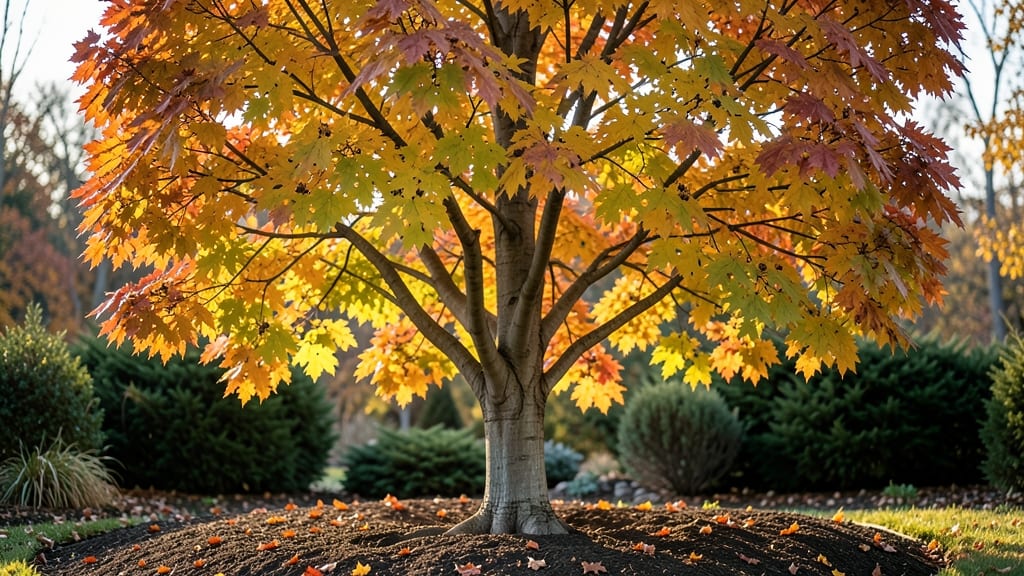
Finding what tree has yellow leaves in the fall feels like uncovering autumn’s best-kept secret. 🌿 The ginkgo’s golden glow, Japanese maple’s fiery hues, and sweetgum’s dramatic bursts of yellow—these are the stars of fall foliage that turn ordinary yards into postcard-worthy scenes.
Most people assume yellow leaves mean a dying tree, but these species actually thrive on cooler weather. Ginkgos, for example, hold their yellow foliage for weeks, while Japanese maples shift from green to gold to fiery orange as temperatures drop.
The trick is matching their needs: moist, well-draining soil and 4-6 hours of sunlight daily for peak color. You’ll end up with a canopy that feels like a living watercolor painting.
Imagine sipping coffee under a ginkgo’s golden glow or framing your home with a sweetgum’s fiery display—these trees deliver year-round structure with autumn’s most stunning show. Perfect for small gardens (dwarf varieties) or as statement trees in larger spaces.
Here’s how to pick the right one for your yard’s light and soil.
The Science Behind Fall Foliage
The golden hues of autumn are a breathtaking spectacle, but have you ever wondered why leaves turn yellow—or fiery red—in the first place? The answer lies in a carefully choreographed biological process, where trees prepare for winter with a mix of chemistry, sunlight, and survival instincts.
Let’s break down the key drivers behind this seasonal transformation.
The star of the show is chlorophyll, the green pigment that captures sunlight for photosynthesis. During spring and summer, chlorophyll dominates, masking other pigments in leaves. But as daylight shortens and temperatures drop in fall:
- Sunlight Decline 🌅: Less sunlight triggers the tree to reduce chlorophyll production. Without this pigment, the leaves can no longer efficiently convert light into energy.
- Nutrient Recycling 🔄: Trees absorb nutrients (like nitrogen and phosphorus) from leaves and transport them to roots and stems, effectively "starving" the leaves of resources. This breakdown exposes hidden pigments.
- Pigment Showdown 🎭: Once chlorophyll fades, carotenoids (yellow and orange) and anthocyanins (red/purple)—which were present all along—take center stage. Carotenoids are always there but get overshadowed by green; anthocyanins, however, are produced in response to stress (like bright light and cool nights).
Pro tip: 💡 Trees like sweetgums and maples produce high levels of anthocyanins, which is why they often blaze with reds and oranges!
Not all trees turn yellow at the same time—timing depends on two critical factors:
| Factor | How It Works | Example Trees |
|---|---|---|
| Day Length (Photoperiod) | Trees detect shorter days (less than 12 hours of sunlight) via a hormone called abscisic acid, which signals the start of leaf senescence (aging). | Oaks, beeches, and birches |
| Temperature Drops | Cooler nights (but not freezing) accelerate pigment changes. Warm fall days paired with cool nights boost anthocyanin production for vibrant reds. | Maples, sumacs, and dogwoods |
Fun fact: 🌡️ Some trees, like tulip poplars, turn yellow earlier in mild climates because they’re sensitive to temperature shifts, not just daylight.
Not all trees follow the same script—genetics play a huge role in determining whether a tree will sport yellow, orange, or red leaves. Here’s how:
- Deciduous vs. Evergreen:
- Deciduous trees (like oaks and aspens) shed leaves annually to conserve water and energy in winter. Their leaves turn yellow/brown before falling.
- Evergreens (like pines) retain needles year-round, but some (like yellow cedar) develop golden hues due to natural pigment changes or stress.
- Pigment Dominance:
- Yellow leaves = High carotenoid levels (e.g., aspen, birch, hackberry).
- Red/orange leaves = Anthocyanins + carotenoids (e.g., sugar maple, red oak).
- Brown leaves = Tannins (a type of waste product) take over when other pigments break down (common in willows and poplars).
Pro tip: 🌳 If you’re hunting for pure yellow trees, focus on quaking aspens or golden rain trees—they’re the poster children for autumn gold!
While seasonal changes are the norm, unexpected yellowing can signal trouble. Unlike the vibrant fall colors, these signs often indicate a problem:
- Early Yellowing (Before Fall) ⚠️:
- Nutrient Deficiency: Yellowing between leaf veins (chlorosis) often means the tree lacks magnesium or iron. Soil pH or poor drainage could be to blame.
- Pests or Disease: Spider mites, aphids, or fungal infections (like anthracnose) can cause premature yellowing. Check for spots, holes, or webbing.
- All-Over Pale Yellow:
- Overwatering or Root Issues: Roots struggling to absorb water (due to compacted soil or root rot) can’t supply leaves with nutrients, leading to a washed-out look.
Actionable tip: 🔧 If your tree’s leaves are yellowing outside of fall, test your soil and inspect for pests. A balanced fertilizer or targeted treatment might save the season!
Revitalizing Your Tree’s Fall Foliage
Watching your tree’s leaves turn a dull shade instead of vibrant gold? Don’t worry—there are ways to restore its autumn glory and keep it healthy for seasons to come.
Below, we’ve mapped out practical solutions based on common causes, from nutrient deficiencies to environmental stressors. Follow these steps to nurse your tree back to its autumn splendor.
If your tree’s leaves are yellowing due to poor soil health, it’s time to fertilize and amend. Most trees need a balanced mix of nitrogen, phosphorus, and potassium (NPK) to produce rich fall colors. Here’s how to tackle it:
🔥 Step 1: Test Your Soil
Before adding fertilizers, check your soil’s pH and nutrient levels with a DIY soil test kit (available at garden centers). Ideal pH for most trees is between 6.0 and 7.0. If the soil is too acidic or alkaline, adjust it with:
- Lime (to raise pH)
- Sulfur (to lower pH)
🍳 Step 2: Apply the Right Fertilizer
Choose a slow-release, organic fertilizer like compost, worm castings, or a balanced granular formula (e.g., 10-10-10). For trees with yellowing leaves, focus on:
- Nitrogen (for green growth)
- Magnesium (prevents yellowing between leaf veins)
- Iron (if leaves are pale yellow, indicating chlorosis)
Pro Tip: 💡 Spread fertilizer in a wide circle around the tree’s drip line (the edge of its canopy), not just at the base. Water it in thoroughly to avoid burning roots.
👨🍳 Step 3: Mulch for Long-Term Health
Add a 2-4 inch layer of organic mulch (wood chips, shredded bark) around the tree’s base. This retains moisture, regulates soil temperature, and slowly releases nutrients as it decomposes.
Yellow leaves can signal overwatering or underwatering. Trees need consistent moisture, especially during dry spells. Here’s how to get it right:
🌡️ Step 1: Check Soil Moisture
Stick your finger 2-3 inches into the soil. If it’s dry, it’s time to water. If it’s soggy, your tree may be drowning—reduce watering immediately.
⏰ Step 2: Water Deeply and Infrequently
Instead of light, frequent watering, give your tree a slow, deep soak once or twice a week (adjust based on rainfall). Use a soaker hose or drip irrigation to deliver water directly to the roots.
🎯 Step 3: Improve Drainage
If your tree is in compacted or clay soil, amend it with:
- Compost (to loosen soil)
- Perlite or sand (to improve aeration)
Pro Tip: ✨ Avoid watering leaves during fall—wet foliage can invite fungal diseases like powdery mildew, which also causes yellowing.
Pests like spider mites, aphids, or borers can stress a tree, leading to premature leaf drop and dull colors. Diseases like anthracnose or leaf spot also play a role. Here’s how to fight back:
🔪 Step 1: Inspect for Pests
Look for:
- Sticky residue (honeydew) on leaves 🐜
- Webbing or tiny bugs 🕷️
- Holes in leaves or sawdust-like frass (borer droppings) 🪓
If you spot pests, treat with:
- Neem oil (organic, safe for most trees)
- Insecticidal soap (for soft-bodied pests)
- Beneficial nematodes (for grubs and larvae)
🛡️ Step 2: Treat Fungal Issues
If leaves have brown spots or powdery coatings, prune infected branches and apply:
- Copper fungicide (prevents spread)
- Baking soda spray (1 tsp baking soda + 1 quart water + a drop of dish soap)
Pro Tip: 🌡️ Prune in early fall to improve air circulation and reduce humidity around the tree, which helps prevent fungal growth.
Want to avoid yellowing leaves next season? Follow these long-term care strategies:
- 📊 Monitor soil health annually with tests and adjust nutrients as needed.
- 💪 Mulch every spring to maintain moisture and soil structure.
- 🌧️ Install a rain gauge to track water needs and avoid over/under-watering.
- 🌿 Prune dead or diseased branches in late winter to promote new growth.
- 🐛 Encourage natural predators (like ladybugs) by planting companion flowers (e.g., marigolds, daisies).
With the right care, your tree will reward you with a dazzling golden canopy every autumn. Start with the solutions that match your tree’s symptoms, and soon, you’ll be the envy of the neighborhood with your vibrant fall foliage! 🍂✨
Frequently asked questions
Why do some trees turn yellow while others turn red or orange in fall?
Yellow leaves come from carotenoids (like in aspens and birches), while red/orange hues appear when anthocyanins mix with carotenoids (common in maples and oaks). The difference depends on the tree’s genetics—cool nights and bright sunlight boost anthocyanin production for fiery colors.
Can I plant a yellow-leaf tree in a small yard or container?
Dwarf varieties like the Japanese maple 'Emperor I' or golden rain tree thrive in containers (15+ gallon pots) and fit tight spaces. Just ensure they get 4-6 hours of sunlight daily and use well-draining soil to prevent root rot.
What’s the best tree for pure golden fall color?
For bright yellow foliage, plant a quaking aspen or golden rain tree—both turn stunning gold in fall. If you want smaller trees, try the dwarf hackberry or serviceberry, which also produce edible berries for bonus wildlife appeal.
Do yellow-leaf trees need special care compared to other trees?
Not necessarily! Most follow standard care: 6-8 hours of sunlight, moderate watering, and well-draining soil. However, trees like ginkgos and Japanese maples prefer slightly acidic soil (pH 5.5–6.5) and benefit from mulching to retain moisture.
Why did my tree’s leaves turn yellow early—is it dying?
Early yellowing often signals stress from overwatering, nutrient deficiency, or pests. Check for soggy soil or yellowing between leaf veins (chlorosis). If the tree’s trunk is firm and new growth appears healthy, it’s likely recoverable with proper care—like adjusting watering or fertilizing.