
Pruning
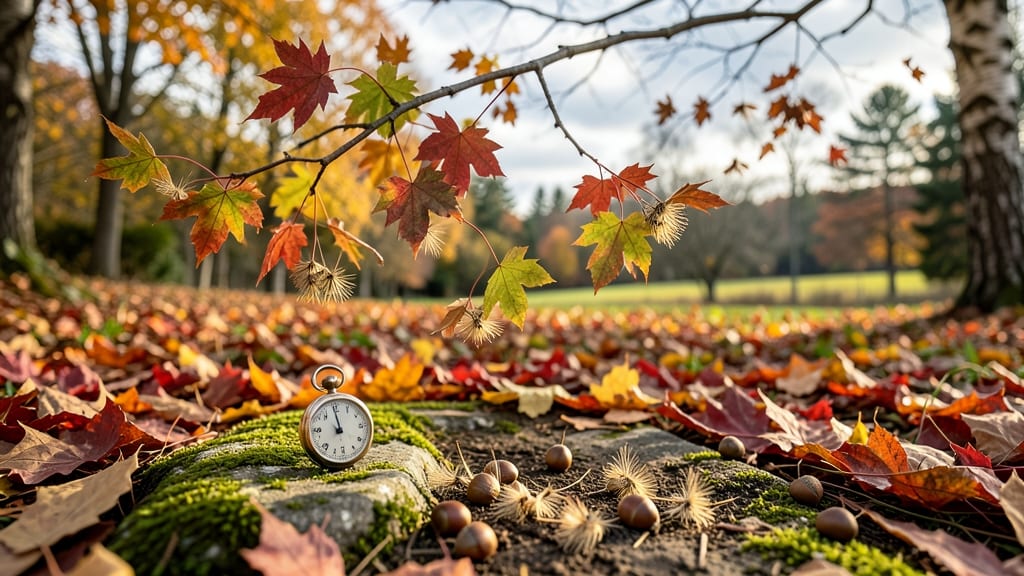
Maple tree helicopters (samaras) typically fall between late September and November, with sugar maples releasing theirs first in cooler regions while silver maples hold onto theirs longer in warmer climates. The exact timing depends on soil moisture, temperature shifts, and when the first hard frost arrives.
Maple samaras drop when trees sense the right mix of environmental cues—shorter daylight hours and dropping temperatures trigger their release. 🌳 In northern states, you'll often see sugar maples shedding seeds as early as late September, while southern silver maples may wait until November.
The process can also speed up during droughts or when early frosts shock the trees into letting go of their seeds. Understanding these patterns helps gardeners and nature enthusiasts predict when to expect those iconic whirling seeds to blanket lawns and sidewalks.
This seasonal timing isn't just about aesthetics—it's a survival strategy.
The seeds need time to mature before winter sets in, which explains why some maple species hold onto them longer in warmer regions. 🍂 The first hard frost acts as nature's signal for peak seed drop, making late autumn the prime window for collecting samaras if you're planning to grow new trees or use them for crafts.
💡 In This Article
- How Climate and Species Affect Maple Seed Drop Timing
- Best Ways to Collect and Store Maple Tree Helicopters
How Climate and species affect maple seed drop timing
Maple trees rely on two primary environmental triggers to release their samaras: photoperiod (daylight hours) and temperature shifts. As daylight shortens in late summer, trees begin preparing for dormancy, but it's the first hard frost (typically 28-32°F) that acts as the final signal for seed release.
This explains why northern climates see peak dropping in late September to October, while southern regions may extend into November—warmer temperatures delay the frost trigger.
The species plays a crucial role too. Sugar maples (Acer saccharum) are early dropers, often shedding seeds within 2-3 weeks after their first frost, while silver maples (Acer saccharinum) may wait 4-6 weeks longer.
This difference stems from their evolutionary adaptations: sugar maples thrive in cooler climates where early seed dispersal gives seedlings a head start before winter, while silver maples' later release aligns with their preference for warmer, wetter environments where growing conditions persist longer.
Soil moisture levels can accelerate or delay this process by up to 3 weeks. Drought-stressed trees may release seeds 10-14 days earlier than well-watered counterparts, as the tree prioritizes reproduction over maintaining leaf health.
Conversely, unusually wet autumns can prolong seed retention as the tree focuses on nutrient storage. 🌬️ What's fascinating is how these factors create predictable patterns: in Zone 5 climates, you might see sugar maples dropping seeds during first two weeks of October, while in Zone 8, silver maples may hold theirs until mid-November.
Temperature fluctuations also create a "window of opportunity" for seed dispersal. Research shows that samaras detach most readily when daytime temperatures are 50-65°F and nighttime drops below 40°F—this diurnal shift weakens the seed stalk's attachment point.
The iconic whirling motion of samaras isn't just for show; it creates lift that carries seeds 50-100 feet from the parent tree, maximizing their chances of finding suitable germination spots. This aerodynamic advantage explains why maple forests often have dense, uniform regeneration.
Regional variations create some surprising exceptions.
In New England, where sugar maples dominate, you might see peak dropping during first two weeks of October—but in the Pacific Northwest, where red maples (Acer rubrum) thrive, the process can stretch from October to December due to milder winters.
Even within the same species, urban trees often release seeds 1-2 weeks earlier than rural counterparts due to the "urban heat island" effect raising local temperatures by 2-5°F.
Understanding these patterns helps explain why your neighbor's maple might drop seeds weeks before yours. The key variables are:
- Species: Sugar maples (early), silver maples (late)
- Climate zone: Northern (earlier), southern (later)
- Microclimate: Urban vs. rural temperature differences
- Weather events: Early frost or drought accelerates dropping
For practical purposes, this means if you're planning to collect samaras for planting, timing your harvest around the first hard frost in your region gives you the best chance of catching peak seed drop. In cooler climates, this might be mid-October, while warmer areas may need to wait until November. The beauty of these natural patterns is how they create predictable seasonal events that connect us to the rhythms of nature. 🍁