
Plants
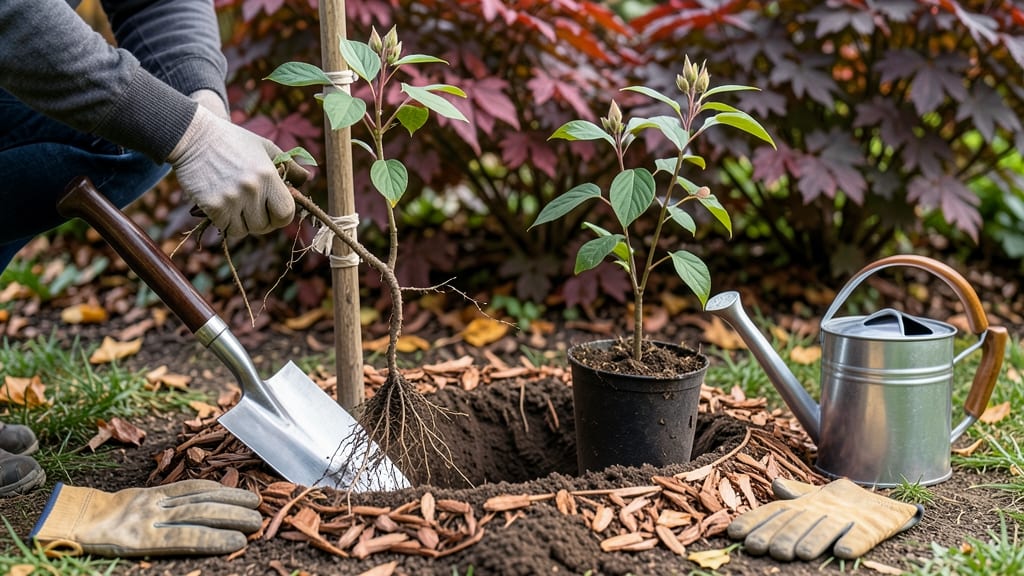
Planting a dogwood tree in fall gives it a strong start for vibrant spring blooms 🌳, but the timing can make or break its success.
If you’ve ever watched a newly planted dogwood tree struggle through winter, you know how critical the planting window is. Too early, and the roots won’t establish before frost.
Too late, and the tree may not survive the cold. The key is finding that sweet spot between September and November, when temperatures are cool but not freezing.
For most gardeners in USDA Zone 6a (like me!), the ideal window is between mid-September and early November, about 4-6 weeks before the first frost. This timing lets the roots grow strong before winter dormancy, setting your dogwood up for years of stunning blooms.
Below, I’ll break down the best months for your zone, how to prep the soil, and the simple care steps to keep your tree thriving through winter. Ready to plant with confidence?
Optimal fall planting months for dogwood trees by USDA climate Zone
Planting a dogwood tree in fall gives it 4-6 weeks to establish roots before winter dormancy. This head start means healthier growth and better spring blooms—but timing varies by USDA zone.
In colder regions, planting too late risks frost damage, while warmer zones can extend the window. Let’s break it down by climate zone to find your perfect planting month.
Dogwood trees thrive when planted in cool soil (below 70°F/21°C) but before hard frosts arrive. The ideal window is 4-6 weeks before first frost, allowing roots to settle before winter.
In Zone 3-5, this means late August to early October, while Zone 6-10 can plant later, even into November. Let’s explore the specifics for each zone.
| USDA Zone | Best Planting Months | Soil Temp Goal (°F/°C) | Key Consideration |
|---|---|---|---|
| Zone 3-4 | Late August to mid-September | Below 65°F/18°C | Avoid early frosts; mulch heavily |
| Zone 5-6 | Mid-September to early October | Below 70°F/21°C | Balanced window; water deeply |
| Zone 7-8 | td style="padding: 10px; border-bottom: 1px solid #ddd;">Late September to mid-NovemberBelow 75°F/24°C | Extend window; protect from late frosts | |
| Zone 9-10 | October to early December | Below 80°F/27°C | Plant after summer heat; minimal frost risk |
In Zone 3-4, where winters are harsh, planting in late August ensures roots establish before first frosts in October. Use thick mulch (3-4 inches) to insulate roots. Zone 5-6 gardeners have a slightly longer window, with mid-September to early October being ideal.
This aligns with soil cooling and reduced transplant shock.
Warmer zones like 7-8 can plant later, even into November, but avoid late-season storms that can uproot young trees. In Zone 9-10, dogwoods can handle December planting if soil isn’t frozen. The key is soil temperature: aim for below 80°F/27°C to prevent heat stress.
Regional variations matter too. For example, Pacific Northwest (Zone 7-8) may plant in October, while Southeast (Zone 8-9) can extend to November. Always check your local frost dates—a quick online search for “first frost date” plus your city name gives precise timing.
Miss this window, and your dogwood may enter winter stressed.
Why does timing matter so much? Dogwoods need 4-6 weeks to establish roots before dormancy. Planting too late leaves them vulnerable to winter desiccation (dry soil + cold air).
Conversely, planting too early in Zone 9-10 risks summer heat stress. The sweet spot is when days shorten and soil cools—nature’s signal to settle in.
Pro tip: Test your soil temperature with a soil thermometer (available at garden centers). If it’s below 70°F/21°C, it’s safe to plant. In Zone 3-5, this usually happens by mid-September. Pair this with well-draining soil and partial shade to set your dogwood up for success.
For container-grown dogwoods, the window is slightly flexible—you can plant 1-2 weeks later than bare-root trees. This is because their roots are already established in soil. However, avoid planting after the first frost, as frozen soil can damage roots.
If you’re unsure, err on the earlier side—your dogwood will thank you with vibrant blooms next spring.
Remember, dogwoods are sensitive to transplant shock. The cooler fall temperatures and higher humidity reduce stress, making it the best time to plant. Pair this with proper watering (deep soaks weekly) and mulching, and you’ll give your tree the perfect start.
Now that you know the ideal months for your zone, mark your calendar! Whether you’re in Zone 3 or Zone
Signs your fall planting window is open (or closed) for dogwood trees
Fall planting gives dogwood trees 4-6 weeks to establish roots before winter dormancy—but timing is critical. If you plant too early, roots may overgrow; too late, and frost will stifle growth. Here’s how to read your climate’s signals to plant at the perfect moment.
Start by checking soil temperatures. Dogwood roots thrive when soil is between 45°F and 60°F. Use a soil thermometer or check local weather reports for frost-free days. In colder zones (3-5), aim for 6-8 weeks before frost; in warmer zones (7-10), stretch to 8-10 weeks.
🌡️ Your Fall Planting Checklist
- Soil temp: 45°F–60°F (use a thermometer)
- Frost dates: 4–6 weeks before first frost
- Leaf color: Maples/oaks turning yellow/brown (signal cooling)
- Local blooms: Chrysanthemums in full bloom (zone 5+)
- Rainfall: 1–2 inches weekly (check forecasts)
Watch for natural indicators like leaf color changes in nearby trees. When maples and oaks shift from green to yellow or brown, it’s often a sign to plant. In zones 5-7, also time planting with chrysanthemum blooms, which typically peak in late September.
If your area has unpredictable frosts, err on the earlier side (early September) to avoid late-season surprises.
Adjust for early or late falls. In Zone 3-4, where winters arrive abruptly, plant by early September to avoid early frosts. In Zone 8-10, extend planting until mid-November, but monitor nighttime temperatures—dogwoods need consistent warmth to root.
If you’re unsure about your zone, use the USDA Plant Hardiness Map to locate your area, then cross-reference with local nursery recommendations. Many nurseries offer free soil tests or planting guides tailored to your region.
For example, in Zone 6a, aim for September 15–October 15; in Zone 9a, stretch to October 15–November 15.
Remember: Root growth slows below 40°F, so if soil temps drop unexpectedly, delay planting. Use mulch and burlap wraps to protect young roots if late frosts threaten. With these cues, you’ll nail the window for stronger, healthier dogwoods next spring. 🌳