
Plants
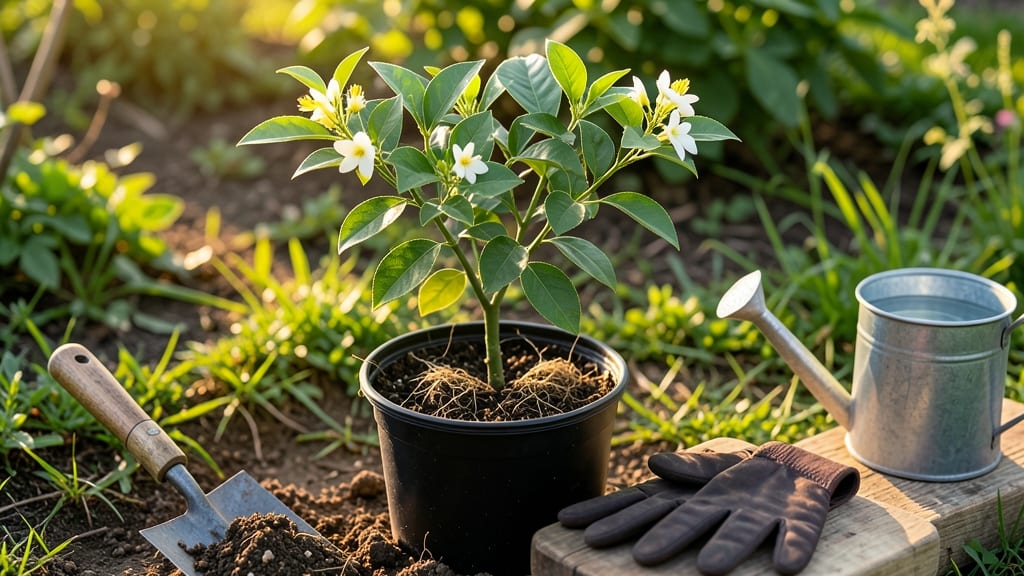
Planting a lemon tree in the ground at the right time ensures it thrives 🍋—and skipping this step can mean frost damage or stunted growth.
If you've ever watched a lemon tree wilt after a surprise frost or struggle in cool soil, you know timing is everything. The difference between a healthy citrus tree and a sad, struggling sapling often comes down to when you put it in the ground.
For most gardeners in Zone 6 (default), the sweet spot is after the last frost—typically in April or May—when soil temperatures hit at least 60°F. But in warmer zones like 9b or 10, you can plant year-round, as long as the roots stay cozy.
Here’s how to nail the timing, whether you’re in a frost-prone area or a tropical paradise, plus soil prep tips to give your lemon tree the best start.
Optimal planting windows by USDA hardiness Zones
Lemon trees (Citrus × limon) thrive in USDA Zones 9-11, where frost is rare or nonexistent. For gardeners in these zones, timing is flexible, but spring planting (after last frost) gives roots time to establish before summer heat.
In Zone 9, you can plant year-round, but avoid extreme summer heat or winter storms. Coastal areas often have milder microclimates with fewer frost risks, while inland zones may need earlier planting to avoid late-season cold snaps.
If you're in Zone 10-11, your frost-free window is effectively year-round, but spring (March-May) remains ideal for transplant shock recovery. Inland Zone 10 areas might experience light frosts, so monitor local weather forecasts.
For Zone 9, plant after March 15 to ensure soil temperatures stay above 60°F (15°C)—critical for root growth.
Here’s a zone-by-zone breakdown of when to plant lemon trees, including coastal vs. inland adjustments and last-frost-date calculations:
| USDA Zone | Last Frost Date | Optimal Planting Window | Coastal Adjustment | Inland Adjustment |
|---|---|---|---|---|
| Zone 9a (20°F to 25°F) | Mid-March | March 15 – April 30 | Plant 2 weeks earlier | Delay until April 15 |
| Zone 9b (25°F to 30°F) | Late February | February 28 – May 15 | Year-round possible | Avoid December-January |
| Zone 10a (30°F to 35°F) | None (rare light frost) | Year-round (avoid summer heatwaves) | Best: September-November | Avoid June-August |
| Zone 10b (35°F to 40°F) | None | Year-round | Spring or fall preferred | Same as coastal |
| Zone 11 (40°F+) | None | Year-round | Avoid peak summer | N/A |
For Zone 9 gardeners, soil temperature is your best guide. Use a soil thermometer to confirm 60°F (15°C) at 4 inches deep before planting. In Zone 10-11, prioritize moisture retention—lemon trees hate soggy roots but need consistent watering.
If planting in summer, provide afternoon shade for the first 2 weeks to reduce transplant shock.
Coastal climates offer earlier planting due to warmer ocean breezes. For example, in Zone 9b coastal California, you can plant as early as February 1, while inland areas like Central Valley should wait until March 15.
Use local frost-free date calculators (like the National Oceanic and Atmospheric Administration (NOAA)) to refine your timing.
In Zone 10-11, avoid planting during monsoon season (July-August in Arizona) or hurricane season (June-November in Florida). Instead, opt for spring or fall when humidity is lower and root establishment is faster.
If you must plant in summer, mulch heavily (3-4 inches of wood chips) to retain moisture and protect roots from heat stress.
Pro tip: Container-grown lemon trees transplant more easily than bare-root saplings. If you’re in Zone 9 and planting in winter, choose container-grown trees to minimize shock. For Zone 10-11, bare-root trees can be planted year-round, but spring still offers the best success rates for fruit production.
Remember, lemon trees hate cold—even a single night below 28°F (-2°C) can kill young trees. In Zone 9, monitor 10-day forecasts and cover trees with frost cloth if late frosts are predicted. For Zone 10-11, focus on drainage and wind protection rather than frost concerns.
🌱
Soil temperature and root development triggers
Lemon trees (Citrus × limon) are tropical plants at heart, which means they demand warm soil to establish strong roots before facing cooler seasons.
The minimum soil temperature for planting is 60°F (15°C), but roots thrive best when soil stays above 65°F (18°C) for the first few weeks. Cold soil slows root growth, leaving your tree vulnerable to transplant shock and disease.
Before planting, check your soil's readiness using a soil thermometer—insert it 4-6 inches deep (the depth of your tree's root ball) for an accurate reading. Morning is the best time to test, as soil temperatures fluctuate less.
If your soil is still below 60°F, delay planting and use mulch or row covers to warm the ground faster.
Root development is critical because 70% of a lemon tree's water and nutrient uptake happens through its roots. When soil is too cold, roots struggle to absorb moisture, causing wilting even with adequate watering.
To give your tree the best start, prepare the planting hole 1-2 weeks ahead by amending the soil with compost or aged manure to improve drainage and warmth retention.
🌱 Key Takeaway: When to Plant a Lemon Tree in the Ground
- 🌡️ Soil Temp: Wait until soil reaches 60°F+ (15°C+) at 4-6" depth
- 📅 Best Months: April-May in Zones 6-8; Year-round in Zones 9-11
- 🌱 Root Prep: Amend soil with compost; avoid waterlogged areas
- ⚠️ Risk: Planting in cold soil = transplant shock and poor root growth
Pro Tip: Use a soil thermometer to confirm readiness—don't guess!
If you're in a cooler climate (Zones 6-8), consider planting in containers for the first year. This gives you control over soil warmth by moving pots to sunny, sheltered spots or even indoors during cold snaps.
Container-grown trees also recover faster from transplant shock because their roots aren't disturbed by frost heave.
Once your lemon tree is in the ground, deep watering (1-2 gallons) helps warm the soil faster. Avoid overhead watering, as wet leaves can attract fungal diseases like citrus blight. Instead, water at the base of the tree and mulch with straw or wood chips to retain heat and moisture.
This simple step can boost root growth by up to 30% in the first month.
Remember, lemon trees are sensitive to temperature swings, so monitor your local 10-day forecast before planting. If frost is predicted within 2 weeks, delay until conditions stabilize. Patience now means fewer pruning headaches and more lemons later—trust the process!