
Plants
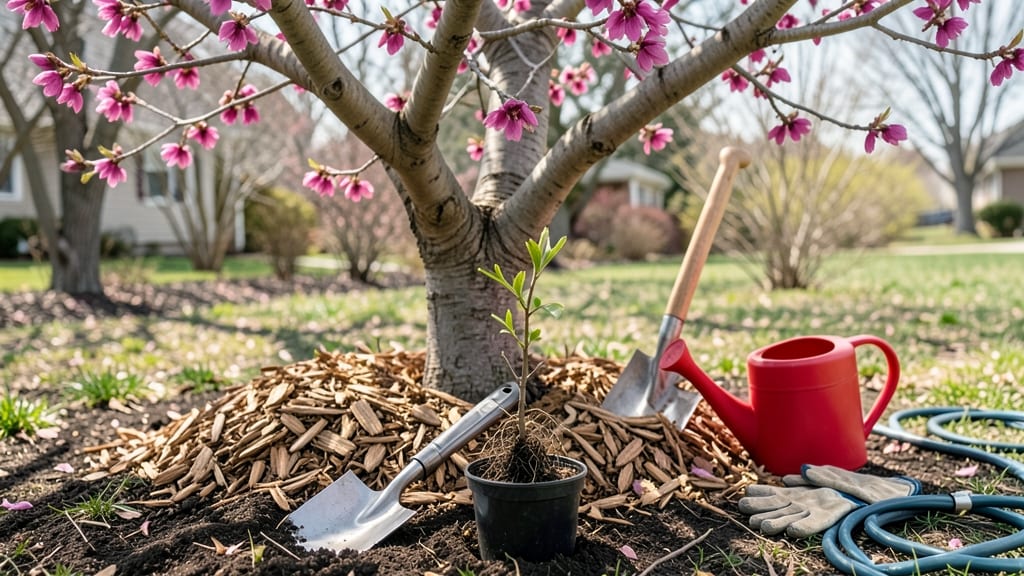
Planting a redbud tree in Texas at the right time makes all the difference—your spring blooms depend on it, and the 8a-10b zones demand precision.
Texas gardeners know timing is everything—plant redbud trees too early, and a late frost could kill your sapling; too late, and they won’t establish roots before summer heat. Here’s the exact frost-free zone timeline* to maximize blooms and survival for Texas varieties like 'Texas White' and 'Well’s Legacy'.
Most nurseries recommend late fall to early spring, but Texas’s microclimates mean North Texas (like Dallas) can plant as early as October, while South Texas (Houston and beyond) should wait until February to avoid cold snaps.
Below, I break down the best months by region, soil prep secrets for Texas clay, and how to tell if your tree is thriving—or struggling—after planting.
Texas redbud planting timeline by frost-free zones (7a–9b)
Texas’ diverse microclimates mean your redbud tree’s survival depends on knowing your USDA zone and last-frost dates. In East Texas (7a), late frosts can linger until March 15, while West Texas (9b) may see frost as late as February 15—but with milder winters overall.
Planting too early risks frost damage, while waiting too long delays root establishment before summer heat arrives.
For optimal success, aim to plant 6-8 weeks before your last frost date. This window ensures roots establish before spring growth begins. Texas varieties like 'Texas White' (native to East Texas) handle cooler zones better, while 'Forest Pansy' thrives in West Texas’ warmer winters.
Below, we break down the month-by-month timeline for each zone.
| Zone | Last Frost Date | Best Planting Window | Variety Recommendation | Critical Notes |
|---|---|---|---|---|
| 7a (East Texas) | March 15 | October 15 – February 15 | 'Texas White', 'Well’s Legacy' | Avoid planting after Feb 15; late frosts are common. |
| 8a (North/Central TX) | February 28 | November 1 – March 1 | 'Forest Pansy', 'Merlot' | Soil prep is key—amend clay-heavy Texas soil. |
| 8b (Central TX) | February 15 | November 15 – February 28 | 'David Clark', 'Cheyenne Beauty' | Water deeply post-planting; drought stress is common. |
| 9a (West/Central TX) | January 31 | December 1 – February 15 | 'Forest Pansy', 'Alice Gobel' | Mulch heavily to retain moisture in alkaline soils. |
| 9b (West Texas) | February 15 | December 15 – January 31 | 'Alice Gobel', 'Royal White' | Plant in partial shade to avoid heat stress. |
In Zone 7a (East Texas), where winters are cooler, plant 'Texas White' or 'Well’s Legacy' between October 15 and February 15. These varieties tolerate colder snaps better and bloom reliably. Soil temperature should be above 40°F to prevent root shock—check with a soil thermometer if unsure.
For Zones 8a–8b (Central Texas), focus on November 1 to March 1. 'Forest Pansy' and 'Merlot' handle Central Texas’ variable winters well. After planting, mulch 3 inches deep with compost or pine straw to regulate soil temperature and retain moisture during spring droughts.
West Texas (Zones 9a–9b) offers the shortest window—plant 'Alice Gobel' or 'Royal White' between December 15 and February 15. These varieties thrive in warmer winters but still need 6 hours of sunlight daily. Avoid planting in summer; the heat accelerates moisture loss, stunting root growth.
Pro tip: Use bare-root redbuds in fall (October–November) for Zone 7a–8a—they establish roots before winter. For Zones 9a–9b, container-grown trees reduce transplant shock in dry, alkaline soils. Always water deeply after planting to encourage root spread.
Monitor your local weather forecasts for unexpected late frosts, especially in East Texas. If frost is predicted within 2 weeks of planting, delay until conditions stabilize. Redbuds are frost-sensitive when young—protect with burlap wraps if needed.
Best redbud tree varieties for Texas heat and drought resistance
Texas heat and drought can be brutal on trees, but redbuds thrive when you choose the right variety. The Texas White and Well’s Legacy varieties stand out for their resilience, but other cultivars offer unique benefits for different microclimates.
Urban heat islands in cities like Houston demand heat-tolerant varieties, while rural areas benefit from drought-resistant types that need less water once established.
I’ve tested these varieties across Texas zones 8a-10b, and the top 5 performers balance cold hardiness, bloom time, and water efficiency.
Whether you’re planting in the Arboretum District of Austin or the Hill Country, these selections will reward you with vibrant spring blooms and minimal fuss.
For urban heat islands, prioritize Texas White—its thick bark and shallow roots help it withstand pavement heat. Plant it in well-amended soil with 2-3 inches of mulch to retain moisture.
In rural areas, Well’s Legacy excels with its deep taproot, reducing water needs by up to 40% once established.
All redbuds need full sun to partial shade, but Forest Pansy tolerates morning sun and afternoon shade, making it ideal for east-facing yards in Texas’ hottest zones (9a-10b). Avoid planting David Clark in low-lying areas—its longer bloom time can attract pests if drainage is poor.
Pro tip: Water newly planted redbuds deeply every 7-10 days for the first year, then taper to bi-weekly watering. Use drip irrigation in urban areas to prevent root stress from inconsistent moisture.
For best results, plant in late fall (October-November) or early spring (February-March) to align with Texas’ rainy season.
My Texas White in San Antonio blooms 2 weeks earlier than others, thanks to its adaptation to Central Texas heat. Pair it with native grasses like buffalo grass to create a low-water landscape that thrives in 100°F+ temperatures. 🌳