
Plants
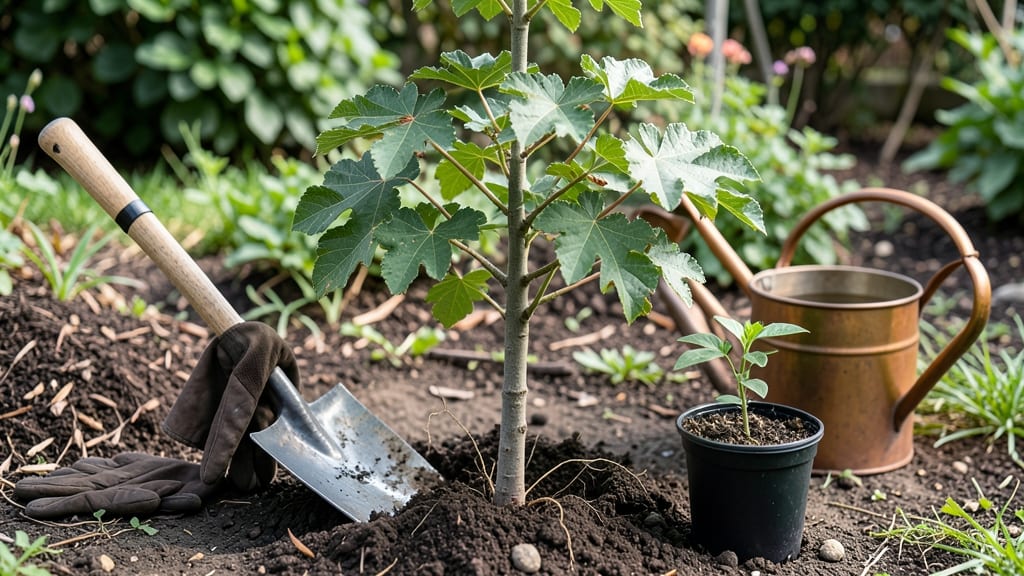
To plant a fig tree in Texas, aim for late winter to early spring or fall — timing this right makes all the difference between a thriving 🍈 and a struggling sapling.
Texas heat and frost can turn a fig tree’s first year into a high-stakes game, especially if you miss the window. In North Texas, where frosts linger into March, planting too early risks cold damage, while South Texas gardeners can push it into December.
The key? Match your zone’s last frost date and soil prep to avoid common pitfalls.
Whether you’re digging in-ground or choosing containers, the right timing ensures strong root establishment before summer’s brutal heat. Below, I break down the best months by Texas climate zone, soil prep tips, and how to keep your fig tree happy year-round.
You’ll discover how to pick the perfect spot, avoid waterlogging, and even choose the best varieties for your region — so your 🍈 doesn’t just survive, but thrives.
Best planting months for fig trees in Texas by climate zone
Texas's diverse climate zones—from North to South—create unique challenges for growing fig trees. In colder North Texas (USDA zones 7b-8a), frost can damage young trees, while South Texas (zones 9a-10b) offers milder winters but intense summer heat. Central Texas (zones 8a-8b) sits in the middle, balancing both risks.
Timing your planting correctly ensures your tree establishes strong roots before extreme weather hits.
Fig trees thrive when planted during their dormant season, which in Texas is either late fall (October-November) or early spring (February-March). Fall planting gives roots time to establish before summer heat, while spring planting avoids winter cold snaps.
The key is to plant after the last frost date in your zone, ensuring no surprise freezes will harm tender new growth.
North Texas gardeners should aim for mid-March to early April or October to November. The last frost typically occurs around February 15, but waiting until March gives young trees a buffer against late frosts. South Texas, with its warmer winters, can plant as early as September or stretch into December, avoiding the peak summer heat.
Central Texas offers a 6-week window in both fall and spring—late February to March or October to November. This zone’s milder winters and hotter summers make timing critical to avoid heat stress during establishment. Always check your local frost dates and adjust accordingly, as microclimates can vary even within a zone.
For container-grown fig trees, timing is slightly more flexible, but you’ll still want to avoid extreme heat or cold. Containers dry out faster in Texas summers, so planting in early fall (September) gives roots time to establish before the hottest months.
If you must plant in spring, choose February to give the tree a head start before summer arrives.
Soil temperature plays a crucial role in root establishment. Fig trees prefer soil that’s at least 60°F. In North Texas, soil may not warm up until late March, while South Texas soil can be ideal by September.
Use a soil thermometer to check before planting—cool soil slows root growth and increases disease risk.
Once you’ve chosen your planting window, prepare the site by amending the soil with compost and sand to improve drainage. Fig trees hate soggy roots, so raised beds or mounds work well in heavy clay soils common across Texas.
After planting, mulch heavily (3-4 inches) with organic matter to retain moisture and regulate soil temperature.
If you’re in a coastal area like Corpus Christi or Brownsville, humidity and heat are your biggest challenges. Plant in September and provide afternoon shade during the first growing season.
Inland areas like Austin or San Antonio benefit from full sun but need consistent watering until the tree is established (about 1-2 years).
Remember, fig trees are perennial and will produce fruit for decades if planted correctly. Rushing the process—like planting too early in spring or too late in fall—can set your tree back. Take the time to monitor local weather patterns and adjust your timeline accordingly.
With the right timing, your fig tree will reward you with sweet, homegrown fruit for years to come. 🍈
How to prepare your Texas soil and site for fig tree success
Texas soil can be both a blessing and a challenge for fig trees—often heavy clay in some regions and alkaline in others. The key to success lies in amending your soil to improve drainage and fertility, while also selecting the perfect sun-drenched location that mimics the tree’s Mediterranean roots.
Without proper prep, your fig tree might struggle with root rot or poor fruit production, despite Texas’s ideal climate for these heat-loving trees.
Start by testing your soil’s pH and texture. Fig trees prefer slightly acidic to neutral soil (pH 6.0–7.0) and well-draining conditions. If your soil is clay-heavy (common in East Texas), mix in 2–3 inches of compost or sandy loam to break up compaction.
For alkaline soils (common in West Texas), add elemental sulfur or peat moss to lower the pH gradually over 3–6 months.
⚠️ callout-warning
While fig trees love fertile soil, Texas’s intense heat can burn roots if over-fertilized. Limit organic matter to 20–30% of the planting hole—too much can cause excessive leaf growth at the expense of fruit production. Always water deeply after amending to help nutrients settle.
Next, choose a sun exposure site with at least 6–8 hours of direct sunlight daily. Fig trees thrive in full sun, but in South Texas’s brutal summers, afternoon shade can prevent heat stress.
If planting near a building or fence, ensure 3–4 feet of clearance for airflow—poor circulation invites fungal diseases like root rot.
Drainage is non-negotiable for fig trees. If your yard has poor drainage, consider planting in a raised bed or on a slight mound to prevent waterlogging. Add a 2-inch layer of gravel at the bottom of the planting hole to create a drainage layer.
In North Texas, where winters dip below freezing, mulch heavily with wood chips (3–4 inches) to insulate roots—just keep mulch 6 inches away from the trunk to avoid rot.
For container growing (ideal for urban Texas gardeners), use a 5-gallon pot minimum with drainage holes. Fill with a mix of 50% potting soil, 30% perlite, and 20% compost.
Place containers in south-facing patios where they’ll receive unfiltered sun. Remember, containers dry out 3x faster than in-ground plantings, so monitor soil moisture daily during 100°F+ heat waves.
Finally, consider your microclimate. Urban areas like Austin or Dallas may have 5–10°F warmer microclimates than rural zones, affecting frost risk. If you’re in Zone 8a–9a, plant in late winter (February) to avoid early freezes.
For Zone 10a–10b (South Texas), fall planting (October–November) lets roots establish before summer’s peak.