
Pruning
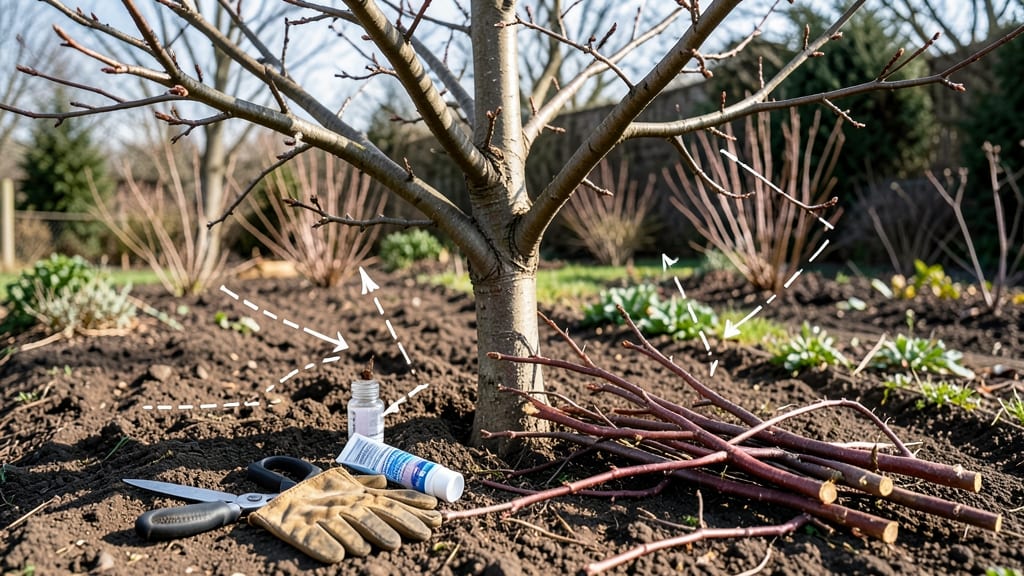
Trimming apple tree branches at the right time ensures healthier fruit and stronger growth, and the best window is late winter or early spring before buds swell.
Picture this: You’ve just planted your 🍎 apple tree, eager for a bountiful harvest, only to realize you pruned too late in the season. That’s a common mistake that can leave your tree vulnerable to disease or even stunted growth.
Timing isn’t just about aesthetics—it’s about giving your tree the best chance to recover before the growing season kicks in. Prune too early, and you risk exposing fresh cuts to winter pests; too late, and you stress the tree just as it’s gearing up for new leaves and fruit.
Below, I’ll walk you through the ideal timing for dormant-season pruning, how to adjust for your climate zone, and what to watch for to keep your apple tree thriving year after year.
Best times to trim apple tree branches for optimal growth
Timing your apple tree pruning correctly can mean the difference between a bountiful harvest and a struggling tree.
The best times to trim are during the dormant season (late winter/early spring) and light summer pruning, but getting the exact window right depends on your climate zone and local conditions.
I’ve pruned my apple trees for over a decade, and I’ve learned that cutting at the wrong time can invite disease or stress the tree unnecessarily.
Most gardeners focus on dormant season pruning because this is when your apple tree is least active, making it the safest time to remove dead, diseased, or crossing branches. However, summer trimming plays a crucial role in managing fruit load and improving air circulation.
Let’s break down the ideal timing, including how moon phases and temperature factor into your pruning schedule.
⚠️ CRITICAL: Avoid pruning in late fall—this exposes fresh cuts to winter cold, increasing the risk of bacterial infections like silver leaf disease. Similarly, pruning too early in spring (before buds swell) or too late (after blooming) can reduce next year’s fruit set. Let’s dive into the specifics to help you plan your pruning calendar.
📌 SUMMARY TABLE: Best Times to Trim Apple Tree Branches
| Season | Ideal Timing | Temperature Range | Moon Phase | Purpose |
|---|---|---|---|---|
| Late Winter | After last frost, before buds swell (Feb-Mar in most zones) | 30-45°F (-1 to 7°C) | Waning moon (root growth phase) | Remove dead/diseased wood, open canopy |
| Early Spring | After blooming (April-May) | 50-60°F (10-15°C) | Waxing moon (growth phase) | Shape tree, thin branches for sunlight |
| Summer | June-July (after harvest) | 70-85°F (21-29°C) | Full moon (energy peak) | Light pruning for fruit thinning |
| Late Fall | Avoid (Oct-Nov) | N/A (Risky) | N/A | Increases disease risk; tree struggles to heal |
| Winter | Only if necessary
Step-by-step guide to pruning apple trees in dormant seasonDormant season is the best time to prune your apple tree because the tree isn’t actively growing, reducing stress and allowing wounds to heal faster. This is when you’ll tackle major structural changes, remove dead or diseased branches, and open up the canopy for better sunlight penetration. I’ve pruned my own apple trees during this window for years, and the difference in fruit production is noticeable. Before you start, gather your tools: a sharp pruning saw for thick branches, bypass pruners for smaller cuts, and a cleaning solution (like rubbing alcohol) to sterilize tools between cuts. Safety is key—wear gloves and eye protection, especially if the tree has thorns or weak branches that could snap unexpectedly. When to Trim Apple Tree Branches: Dormant Season Steps
One mistake I see often is over-pruning, which can weaken the tree or reduce next year’s fruit set. Stick to removing only what’s necessary—focus on deadwood, crossing branches, and limbs that block sunlight. If you’re unsure, err on the side of caution and remove less rather than more. After pruning, your apple tree will need time to recover. Avoid fertilizing immediately—wait until early spring when new growth begins. Water deeply if your region experiences dry spells during dormancy, but don’t overwater, as soggy soil can invite root rot. With proper care, your tree will reward you with healthier branches and a bountiful harvest next season. Pro tip: Take photos of your tree before and after pruning to track its progress over the years. I’ve found that seeing the transformation year after year keeps me motivated to maintain my apple trees properly. Happy pruning! 🪴 |