
Pruning
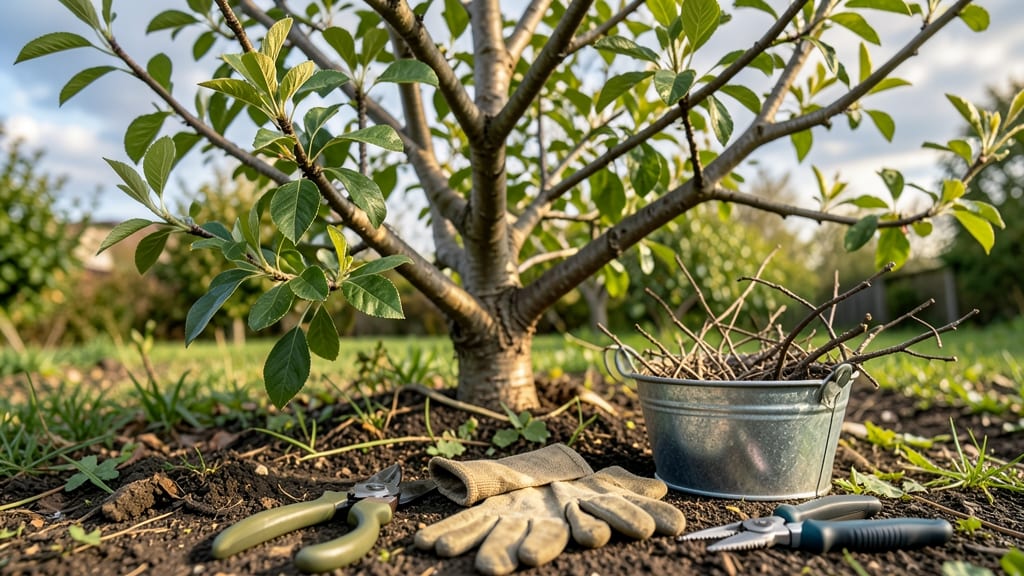
Pruning peach trees in Texas isn’t just about shaping branches—it’s about surviving our brutal summers while packing every limb with fruit. 🌵 After years of watching my trees struggle through droughts and heatwaves, I’ve perfected a method that keeps them productive and resilient.
The key? Pruning at the right time, cutting for airflow, and avoiding common mistakes that invite disease in our humid climate.
You’ll need sharp bypass pruners, a saw for thicker branches, and a clear day with temps below 85°F—critical for Texas gardeners. The goal is an open center that lets sunlight reach the core and air circulate to prevent fungal issues.
I’ve seen trees go from sparse harvests to bursting with fruit just by following these steps, even in our tough conditions.
By summer’s end, you’ll have a peach tree that thrives through Texas heat, with fewer pests and better fruit set. The branches will be strong, the canopy balanced, and your harvest will be the envy of neighbors who didn’t prune right.
This isn’t just pruning—it’s drought-proofing your tree for years to come.
Works for both young trees and mature ones, whether you’re in East Texas’s humidity or West Texas’s dry heat. The same principles apply—just adjust timing slightly for your frost dates. Let’s get those branches trimmed the right way!
📚 In This Guide
- What you need
- Instructions
- Tips and common mistakes
- Wrapping up and next steps
What you need
- ● Pruning shears: Bypass pruners (sharp, 6-8" blades) for clean cuts on small branches. Quantity: 1 pair (sterilize with rubbing alcohol between cuts!).
- ● Loppers: Bypass or anvil type, 18-24" long for thicker branches (1-2" diameter). Quantity: 1 pair.
- ● Pruning saw: Curved-tooth for branches >2" in diameter. Quantity: 1.
- ● Gloves: Heavy-duty, cut-resistant (e.g., leather or Kevlar). Quantity: 1 pair (Texas thorns aren’t joking!).
- ● Disinfectant: 70% isopropyl alcohol or bleach solution (1 part bleach to 9 parts water) to prevent disease spread. Quantity: Small bottle or spray.
- ● Rubbing alcohol wipes: For quick sterilization between cuts. Quantity: Pack of 50+.
- ○ Tree wound sealant: Optional but recommended for large cuts (>½")—use a latex-based product like Tanglefoot Tree Wound Pruning Seal. Quantity: Small tube.
- ● Ladder or step stool: Sturdy, non-slip (8-12 ft tall, depending on tree height). Quantity: 1.
- ● Heavy-duty trash bags: For collecting debris. Quantity: 2-3.
- ● Water hose or bucket: To rinse tools and clean up sap. Quantity: 1.
- ● Drought-resistant prep: Mulch (2-4" layer of wood chips or straw) post-pruning to retain moisture. Quantity: 5-10 gallons (depends on tree size).
- ● Sun protection: Long sleeves/pants and hat—Texas sun + pruning = recipe for a sunburn!
- ● Weather check: Prune on a cool, cloudy day (avoid midday heat; aim for 60-75°F).
- ● Pole saw: For high branches without a ladder.
- ● Pruning paint: Non-toxic (e.g., Tree Seal) for sealing cuts >2" in diameter.
- ● Work apron: With pockets for tools and gloves.
- ● Safety glasses: To shield from debris.
- ● Notebook & pen: To sketch your tree’s shape post-prune.
Instructions for pruning a peach tree in Texas
Here’s how to shape your tree for drought resilience and fruit production—without stressing the wood.
✂️ Step 1: Prune for Structure in Late Winter
Wait until the tree is fully dormant, ideally in late February when temperatures stay above 40°F at night. This timing avoids frost damage while the tree still has energy reserves. Start by removing any dead, diseased, or crossing branches—these compete for resources and invite pests. Use clean, sharp pruners to make cuts just outside the branch collar (the swollen area where the branch meets the trunk).
Look for branches growing inward or rubbing against others. These will eventually tear bark and create entry points for fungal infections. Thin the canopy by 20-25% to improve airflow and sunlight penetration. This reduces stress during Texas’s brutal summers. If you see water sprouts (fast-growing vertical shoots), cut them back immediately—they drain energy from fruit production.
☀️ Step 2: Open the Canopy for Sunlight and Airflow
Peach trees need full sun to ripen fruit, so focus on lifting the center of the tree. Remove branches that block sunlight from reaching the lower limbs. Aim for an open vase shape—this lets light hit all sides and reduces humidity trapped in dense foliage. Start pruning from the outside inward, working your way toward the center. You’ll see the tree’s natural framework emerge as you go.
Leave 3-4 main scaffold branches spaced evenly around the trunk. These should angle outward at 45-60 degrees. If a branch grows too upright, it’ll snap under fruit weight. Cut back any branches growing directly upward or downward—they’re weak and prone to breaking. After pruning, step back and visualize sunlight hitting every limb. If shadows remain, you’ve still got work to do.
💧 Step 3: Thin Fruit Spurs for Bigger Harvests
Once flowers appear in early spring, wait 2-3 weeks before thinning fruit spurs. Peach trees produce fruit in clusters—leave 1-2 peaches per spur (the small, stubby branches where fruit forms). Remove the rest by gently twisting them off or cutting with pruners. This ensures the remaining fruit grows larger and ripens evenly. Overloaded branches snap under Texas’s heavy fruit, so don’t skip this step.
Watch for thin-skinned or misshapen fruit—these are often the result of overcrowding. After thinning, water deeply at the base to help the tree recover. Mulch with 2-3 inches of organic matter (like wood chips) to retain moisture and protect roots from summer heat. Avoid piling mulch against the trunk—keep it 3-4 inches away to prevent rot.
⏰ Step 4: Summer Pruning for Drought Resistance
During June and July, focus on light maintenance. Remove any suckers (shoots growing from the base or roots) immediately—they waste energy. Also trim back any branches that grew too vigorously after spring. Use hand pruners for small cuts and loppers for thicker branches. Sterilize tools with rubbing alcohol between cuts to prevent spreading disease.
If your tree looks stressed (yellowing leaves, wilting), it’s fighting drought. Prune only essential branches—never more than 10% of the canopy in summer. Reduce watering slightly to encourage deeper root growth. By late summer, you’ll notice stronger wood and fewer weak branches. This sets the tree up for another productive season.
Tips & tricks for pruning a peach tree in Texas
Here's what I learned after years of pruning peach trees in Texas's brutal climate—and how to avoid the mistakes I made.
Timing is Everything: The late February window for Step 1 is critical because Texas's unpredictable spring weather can bring sudden freezes. If you prune too early, new growth could be damaged by late frosts. I learned this the hard way after losing a branch to a surprise freeze in March. Wait until nighttime temperatures consistently stay above 40°F before you start—this gives your tree time to heal properly before the growing season begins.
Branch Angle Matters: When you're shaping that open vase in Step 2, pay special attention to branch angles. Branches growing at 45-60 degrees from the trunk are strongest and handle fruit weight best. I've seen too many trees with branches growing straight up or down—these break easily under Texas's heavy fruit load. If you find a branch growing upward, cut it back to a lateral branch that angles outward. This simple adjustment can save you from dealing with broken branches during harvest season.
Tool Sanitation: This is one of those details that's easy to overlook, but it's crucial for Texas peach trees. After each cut in Step 4, sterilize your pruners with rubbing alcohol. I've seen fungal infections spread quickly in our humid summers, and once a tree gets infected, it's hard to recover. Keep a small bottle of alcohol handy and wipe down your tools between every 3-4 cuts. It takes just seconds and prevents major headaches later.
Visualize the Light: Step 2's open vase shape isn't just about aesthetics—it's about sunlight distribution. After you've made your cuts, stand back and visualize how sunlight will hit the tree throughout the day. In Texas, where summers are scorching, you want every leaf to get direct sunlight for at least part of the day. If you see shadows on the ground under the tree, you haven't opened the canopy enough. This simple visualization helps ensure your tree gets the light it needs to produce fruit.
Pro Tips for Peach Tree Pruning Texas
- Here's what I learned after years of pruning peach trees in Texas's brutal climate—and how to avoid the mistakes I made.
- Timing is Everything: The late February window for Step 1 is critical because Texas's unpredictable spring weather ca...
- Branch Angle Matters: When you're shaping that open vase in Step 2, pay special attention to branch angles. Branches ...
Frequently asked questions
Got questions about pruning your peach tree in Texas? You’re not alone! Here are answers to the most common concerns—from timing to troubleshooting—to keep your tree thriving and fruitful.
When is the best time to prune a peach tree in Texas?
Prune your peach tree during late winter or early spring (February–March in Texas) when the tree is still dormant but before buds swell. Avoid pruning in fall, as it can encourage disease or frost damage. Pro tip: If you must prune in summer, do so only after harvest to reduce stress.
How much should I cut back a peach tree during pruning?
Remove about 20–30% of the tree’s total growth per year to maintain shape and airflow. Focus on:
- Dead, diseased, or crossing branches (cut at the branch collar).
- Suckers (shoots growing from the base) and water sprouts (fast-growing vertical shoots).
- Overcrowded branches to open the canopy for sunlight and air circulation.
Can I prune a peach tree during a Texas drought?
Yes, but minimize pruning during extreme drought. Pruning removes protective bark and increases water loss. If you must prune, do so early in the dormant season (February) and water deeply afterward. Avoid heavy pruning until rainfall returns. Drought tip: Mulch well to retain moisture!
What should I do if my peach tree bleeds sap after pruning?
Sap bleeding (or “weeping”) is normal in peach trees but can attract pests. To reduce it:
- Prune only on dry days (avoid rainy or humid conditions).
- Use clean, sharp tools to make smooth cuts.
- Apply a thin layer of pruning sealant (optional) to large cuts over ½ inch in diameter.
Will pruning my peach tree increase fruit production?
Proper pruning boosts fruit quality and quantity by:
- Improving sunlight penetration (more energy for fruit development).
- Reducing disease risk (better airflow).
- Encouraging larger, healthier branches to bear fruit.
Wrapping up and next steps
Pruning your peach tree in Texas isn’t just about shaping—it’s about strengthening resilience and unlocking a bountiful harvest while keeping your tree drought-tough. By mastering the right techniques, timing, and tools, you’ll ensure your tree thrives even in Texas heat. Now’s the perfect time to roll up your sleeves!
Ready to transform your peach tree into a fruit-bearing powerhouse? Grab your pruners and review the essentials—then get pruning! Your future peach pies will thank you. 🍑✨