
Pruning
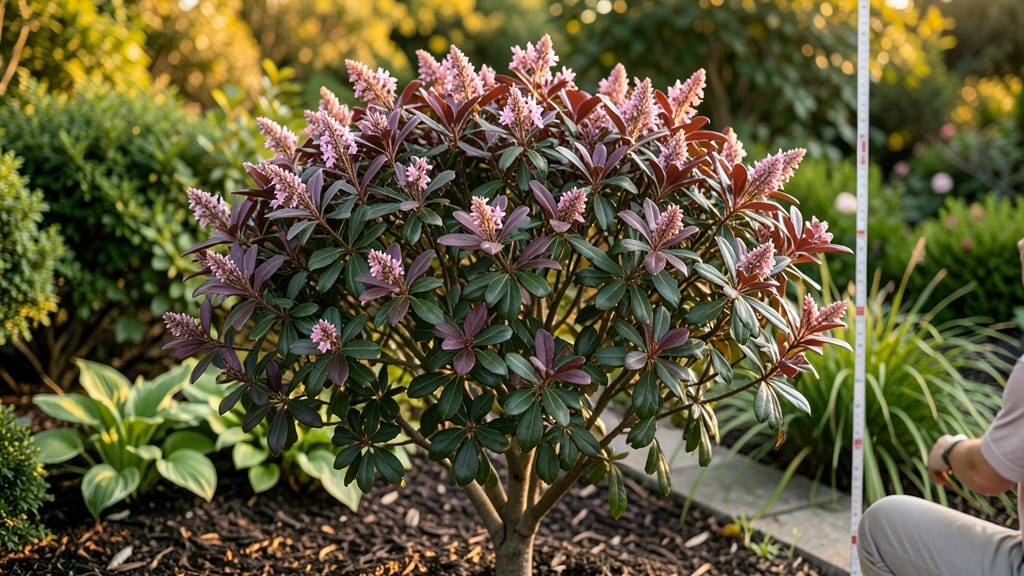
The loropetalum tree height you end up with depends entirely on the cultivar you pick — some stay as short as 3 feet, while others climb to 12 feet or more when left unpruned.
If you're dreaming of a stunning, low-maintenance shrub that adds vibrant color to your landscape, loropetalum trees could be the perfect fit—but their height varies dramatically by type.
Compact varieties like 'Purple Pizzazz' max out at 4-5 feet, making them ideal for small gardens or container growing, while standard types like 'Rising Sun' can reach 8-12 feet in just a few years.
Below, I’ll break down how to choose the right size for your space, plus pruning tips to control growth and keep your loropetalum looking its best year after year.

Loropetalum tree height by popular cultivar: compact vs. tall varieties
Choosing the right loropetalum cultivar depends heavily on your space constraints and design goals. These stunning shrubs offer height variations from compact 3-foot dwarfs to towering 12-foot specimens. Whether you're planning a foundation hedge or a container specimen, understanding each variety's mature size ensures perfect placement from day one.
I've grown loropetalum for years and learned the hard way that planting a tall cultivar too close to a patio or driveway creates maintenance headaches. The key is matching your landscape design with the right mature height and spread characteristics of each variety.
| Cultivar | Mature Height | Mature Spread | Growth Habit | Ideal Spacing | Best For |
|---|---|---|---|---|---|
| 'Purple Pizzazz' | 3-5 ft | 3-4 ft | Bushy, rounded | 3-4 ft apart | Containers, small gardens |
| 'China Girl' | 4-6 ft | 4-5 ft | Upright, vase-shaped | 5-6 ft apart | Hedges, mixed borders |
| 'Rising Sun' | 6-8 ft | 5-7 ft | Multi-stemmed, arching | 7-8 ft apart | Specimen plants, focal points |
| 'Yoda' | 8-10 ft | 6-8 ft | Pyramidal, upright | 8-10 ft apart | Large landscapes, privacy screens |
| 'Plum Delight' | 10-12 ft | 8-10 ft | Tall, spreading | 10-12 ft apart | Large properties, woodland edges |
The 'Purple Pizzazz' cultivar remains my top recommendation for small spaces. Its compact height of just 3-5 feet makes it perfect for container gardening or tight urban yards. I've seen it thrive in 15-gallon pots for years with proper pruning and fertilization.
For foundation plantings, the 'China Girl' cultivar strikes the perfect balance with its 4-6 foot height. This variety maintains an elegant upright form while providing year-round color interest with its purple foliage and spring blooms.
If you're designing a privacy screen, consider the 'Yoda' cultivar which can reach 8-10 feet tall. Its pyramidal shape creates a natural windbreak while adding architectural interest to your landscape. Just be prepared for its wide spread of 6-8 feet.
My biggest pruning tip? Always account for 2-3 extra feet of growth when planning spacing. Loropetalum trees grow 1-2 feet per year under ideal conditions, so what looks perfect today may need regular pruning to maintain your desired height and shape.
For container growing, stick with dwarf cultivars like 'Purple Pizzazz' and use large containers with drainage holes. I recommend
How to control loropetalum height: pruning tips for different growth goals
Pruning your loropetalum isn't just about keeping it tidy—it's the secret to shaping its height and fullness. Whether you want a compact hedge or a tall specimen plant, strategic cuts at the right time make all the difference.
The key is understanding when and how to prune based on your specific growth goals and cultivar type.
For most loropetalum varieties, the best time to prune is late winter or early spring, just before new growth begins. This timing ensures you remove dead or weak branches while encouraging fresh, vibrant foliage.
However, if you're dealing with a fast-growing cultivar like 'Rising Sun,' you might need light trims throughout the growing season to maintain control.
-
Step 1: Gather Your Tools
Use sharp bypass pruners for clean cuts on branches under 1/2 inch thick. For thicker branches, grab loppers or a pruning saw. Always sterilize tools with rubbing alcohol to prevent disease spread. -
Step 2: Assess Your Goals
Decide if you want to reduce height (cut back 1/3 of current growth), encourage bushiness (trim outer branches), or shape for hedges (shear evenly). Write down your target height before starting. -
Step 3: Prune for Height Control
To lower height, cut just above a leaf node or outward-facing bud on the lower third of the plant. For dwarf varieties, avoid cutting into old wood—focus on new growth only. -
Step 4: Encourage Fullness
For a bushier loropetalum, trim the top 1/3 of stems to promote lateral branching. Remove any crossing branches or inward-growing stems to improve airflow and sunlight penetration. -
Step 5: Clean Up and Monitor
Remove all pruned debris from the base to prevent pests. Water thoroughly after pruning, and monitor for new growth in 4-6 weeks. Adjust future pruning based on how your plant responds.
One common mistake is pruning too late in the season, which can stunt new growth before winter. If you're working with a small-space garden, consider container growing for dwarf varieties like 'Purple Pizzazz'—they naturally stay under 5 feet tall but still benefit from light pruning to maintain shape.
For taller loropetalum varieties, like 'China Girl,' you can train them into small trees by pruning to create a single trunk and removing lower branches.
This technique requires patience but yields a stunning focal point. Always leave at least 1/3 of the plant's height intact to avoid stressing the shrub.
Remember, loropetalum responds well to regular pruning, so don't be afraid to get hands-on. With the right approach, you can shape your plant to fit any space—whether that's a backyard hedge or a container on your patio. 🌿✂️🌳