
How To
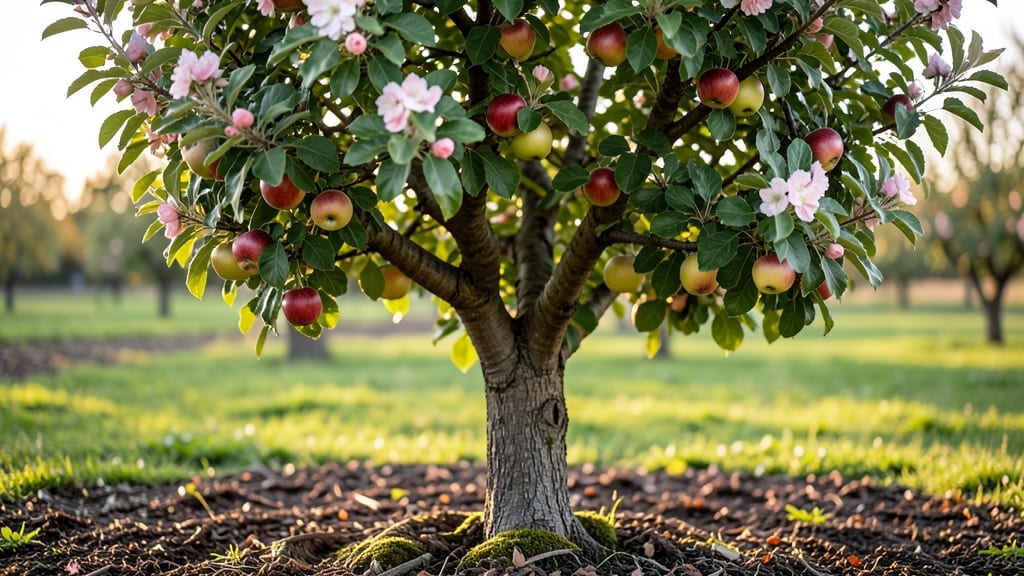
An apple tree grows how tall does an apple tree grow anywhere from 6 feet to towering 25 feet at maturity, depending on the variety and how you grow it.
Dreaming of homegrown apples but worried about space? The height of your 🍎 could make or break your garden layout—and your harvest potential. A standard tree might need as much room as a two-story house, while dwarf varieties stay compact enough for containers or small backyards.
This isn’t just about aesthetics—tree size directly impacts how many apples you’ll harvest, how easy they are to pick, and whether you’ll need a ladder (or a neighbor’s help). Some varieties, like the 'Gala', stay smaller, while others, like 'Granny Smith', reach for the sky.
Below, I’ll break down the exact height ranges for dwarf, semi-dwarf, and standard trees, plus how to control growth if you’re short on space. You’ll also find the best small-space varieties for your garden.


Apple tree height variations: dwarf vs semi-dwarf vs standard sizes explained
Choosing an apple tree isn’t just about the fruit—it’s about the space it’ll occupy. A standard apple tree can tower over your backyard, while a dwarf variety fits neatly on a patio.
The difference? Rootstock—the underground part of the tree that controls height. Let’s break down what to expect from each size category and how they’ll impact your garden layout.
Most gardeners assume all apple trees grow to 20+ feet tall, but that’s only true for standard varieties. In reality, apple trees range from 3 feet to 40 feet at maturity, depending on their rootstock.
Understanding these variations helps you pick the perfect tree for your space, whether you’ve got a sprawling orchard or a tiny urban balcony.
🌱
| Type | Mature Height | Rootstock Examples | Space Needs | Best For |
|---|---|---|---|---|
| Dwarf | 6–12 ft | M.9, M.26, B.9 | 10–15 ft diameter | Containers, small yards, urban gardens |
| Semi-Dwarf | 12–16 ft | MM.106, MM.111 | 15–20 ft diameter | Backyards, community gardens |
| Standard | 15–40 ft | Seedling, M.7 | 25+ ft diameter | Orchards, large estates |
Take the popular 'Gala' apple tree as an example. When grafted onto M.9 rootstock, it stays under 10 feet tall, perfect for a backyard. But graft it onto seedling rootstock, and it’ll reach 25+ feet, needing a full acre to thrive.
The same goes for 'Granny Smith'—dwarf versions max out at 8 feet, while standard trees can hit 30 feet.
If you’re working with limited space, dwarf apple trees are your best bet. They mature in 3–5 years and produce fruit earlier than larger varieties. For instance, a 'Columnar' apple tree (like 'Red River') grows just 6–8 feet tall but yields hundreds of apples annually.
That’s ideal for balconies or small patios!
Semi-dwarf trees strike a balance, offering larger fruit yields than dwarfs while staying manageable. A 'Fuji' on MM.106 rootstock might reach 14 feet but produces 20–30 bushels per year—enough to share with neighbors. These trees need 15–20 feet of space between them for proper airflow and sunlight.
Standard apple trees are the traditional orchard giants, but they’re overkill for most home gardens. A 'Honeycrisp' on seedling rootstock can grow 30+ feet tall and spread 20 feet wide, requiring heavy-duty pruning and 50+ feet of clearance.
Unless you’re planting a full orchard, these are best left to commercial farms.
Here’s a pro tip: Rootstock affects more than height. Dwarf trees have shorter lifespans (15–20 years) compared to standard trees (50+ years). They also produce smaller fruit and may need more frequent pruning to maintain shape. Weigh these factors when choosing between sizes.
🪴
Before planting, check your tree’s rootstock label—it’s usually printed on the tag. If it’s not clear, ask your nursery for details. And remember: Soil depth matters.
Dwarf trees need at least 18 inches of deep, well-draining soil to avoid root stress. Amend clay soil with compost or sand to improve drainage.
For urban gardeners, container-growing dwarf apple trees is a game-changer. A 5-gallon pot works for 1–2 year-old trees, while 15–20 gallon containers support mature dwarfs. Just ensure pots have drainage holes and use a balanced fertilizer like 10-10-10 to keep them thriving.
Best space-saving apple tree varieties for small gardens and containers
If you love the idea of picking fresh apples but lack yard space, don't despair! Many dwarf and semi-dwarf apple tree varieties thrive in small gardens, containers, or even urban balconies. These compact trees grow just 6 to 12 feet tall—perfect for patios, courtyard gardens, or even large pots.
The key is choosing the right rootstock and cultivar to match your space and sunlight conditions.
For container growing, select varieties bred for compact growth habits. Some even produce full-sized fruit despite their small stature! With proper care—like regular pruning and well-draining soil—you can enjoy homegrown apples without sacrificing your garden's layout. Let’s explore the top space-saving options that deliver both beauty and bounty.
Top Space-Saving Apple Tree Varieties
- Columnar Varieties (e.g., 'Red River Columnar') – Grows 8-12 ft tall and just 1-2 ft wide, ideal for tight spaces. Produces high-density fruit along a single upright trunk.
- 'Spindle' Series (e.g., 'Spindle Red Delicious') – Reaches 6-8 ft tall with a narrow, upright form. Perfect for small backyards or containers with 15+ gallon pots.
- 'Patio' Varieties (e.g., 'Patio Princess') – Stays under 6 ft tall and thrives in 5-gallon containers. Great for balconies or rooftop gardens with full sun.
- 'Centennial' Series (e.g., 'Centennial Honeycrisp') – Grows 8-10 ft tall on semi-dwarf rootstock. Tolerates partial shade better than full-size trees.
- 'Liberty' or 'Enterprise' (Columnar Types) – Reaches 10-12 ft tall but stays disease-resistant. Ideal for urban orchards or espalier training.
💡 Pro Tip: Always check the rootstock type (e.g., M.9 or B.9) when buying dwarf trees—these determine final height and vigor.
When growing in containers, prioritize large pots with drainage holes (at least 15-20 gallons for mature trees). Use a lightweight potting mix with perlite or sand to prevent root rot. Place your container where it gets 6+ hours of sunlight daily—south-facing spots work best in northern climates.
For even more space efficiency, try espalier training on semi-dwarf trees. This method flattens the tree against a fence or wall, saving horizontal space while keeping the height manageable. Just be sure to prune regularly to encourage fruit production along the branches.
With these varieties, you can enjoy homegrown apples in record time—some dwarf trees even bear fruit within 2-3 years! Whether you're a city dweller with a balcony or a suburban gardener with limited space, these compact options prove that big harvests don’t require big yards.