
How To
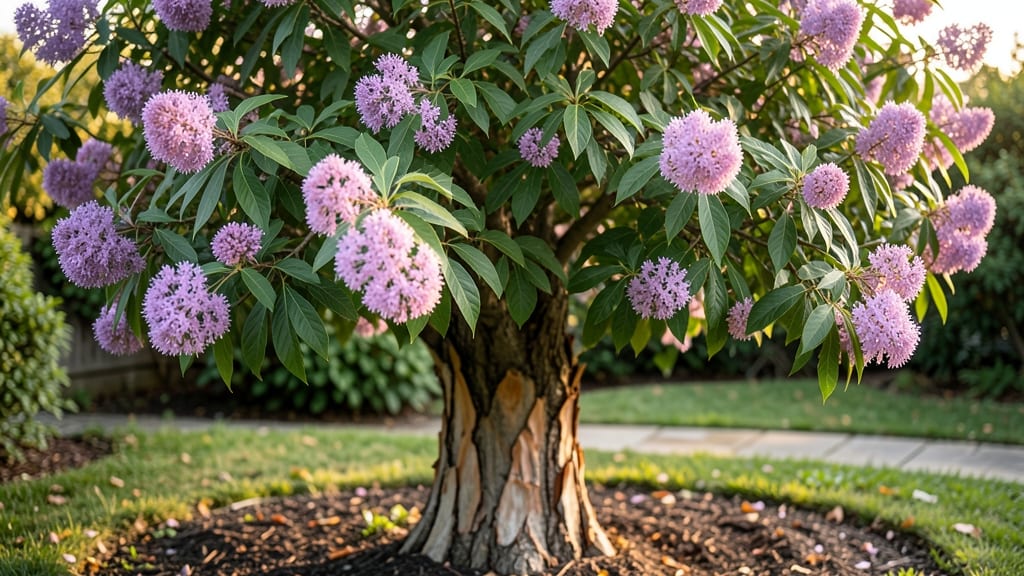
A crape myrtle tree grows anywhere from 6 to 30 feet tall, depending on the variety you choose—so if you're picturing a tiny accent plant, think again.
If you're dreaming of adding a crape myrtle to your landscape but wondering whether it will dwarf your house or complement your yard perfectly, you're in the right place—this fast-growing favorite comes in sizes that surprise even seasoned gardeners.
Some varieties stay compact, like the 'Avalanche' crape myrtle, which tops out around 6 to 10 feet, making it ideal for smaller yards or container planting.
On the other end of the spectrum, standard types like 'Muskogee' can reach 25 to 30 feet, turning your garden into a showstopping centerpiece.
Below, I’ll break down how to control its height with pruning, the best varieties for your space, and why soil and sunlight play such a big role in how tall your crape myrtle 🌸 really grows.


Crape myrtle height ranges by variety: small to giant options
Choosing a crape myrtle for your landscape means deciding between a compact shrub that fits cozy gardens and a towering tree that makes a bold statement. The good news? This versatile plant offers height options that can transform any yard—from petite patio containers to sprawling backyards.
Whether you need a dwarf variety for a foundation planting or a giant specimen as a focal point, understanding these ranges helps you plan with confidence.
Crape myrtles grow at different rates based on their genetic variety, but most reach their mature height within 3-5 years. Some varieties stay under 6 feet, while others can soar past 30 feet.
The key is selecting the right type for your space and maintenance style. For example, a 6-foot 'Centennial' crape myrtle thrives in tight urban gardens, while a 25-foot 'Muskogee' demands plenty of room to stretch its branches.
Below, I’ve organized the most popular crape myrtle varieties by their mature height ranges, including growth habits and ideal uses. This comparison will help you visualize how each fits into your landscape design—whether you’re aiming for a low-maintenance border or a dramatic centerpiece.
If you’re working with limited space, the 'Centennial' or 'Dynamite' varieties are perfect for small gardens or even large containers. These dwarf crape myrtles grow slowly and rarely exceed 6 feet, making them ideal for urban landscapes or rooftop gardens.
Their multi-stemmed habit also creates a lush, shrub-like appearance without the height of traditional trees.
For a medium-sized yard, varieties like 'Avalanche' or 'Tonto' strike a balance. They offer height and volume without overwhelming smaller properties. These crape myrtles thrive as specimen plants or in groups along driveways and walkways. Their vibrant blooms and exfoliating bark add year-round interest, even in winter.
When you’re dreaming of a statement tree, the 'Muskogee' or 'Natchez' varieties deliver. Both can reach 25–30 feet, making them perfect for large estates or as street trees in suburban areas.
Their pyramidal shape and long-lasting flowers (summer to fall) create a dramatic focal point. Just be prepared for their spreading canopies, which require ample space to avoid crowding other plants or structures.
One common question I hear is whether pruning affects height. The answer depends on the variety and your goals. For dwarf varieties, minimal pruning keeps them compact and bushy. For taller types, strategic pruning can control height while encouraging a fuller canopy.
I’ll cover pruning techniques in detail in the next section, but remember: over-pruning can stunt growth or reduce flowering.
Before finalizing your choice, consider your climate zone and soil conditions. Crape myrtles thrive in USDA Zones 7–9
How pruning affects crape myrtle height: techniques for controlled growth
Pruning is the secret weapon for controlling your crape myrtle's height while keeping it healthy and blooming beautifully. Without proper pruning, even dwarf varieties can grow uncontrollably tall, reaching heights of 20-30 feet within just a few years.
The good news? With the right techniques, you can shape your tree to fit your landscape perfectly—whether you want a 6-foot shrub or a 12-foot statement tree.
Timing is everything when it comes to pruning crape myrtles. Late winter or early spring—just before new growth begins—is ideal for structural pruning. This is when you remove dead, diseased, or crossing branches to improve airflow and shape.
Summer pruning, however, should be light and strategic to avoid cutting back next year’s flower buds, which form on current year’s growth. Let’s break down the exact steps to maintain your desired height without sacrificing those stunning blooms.
Step-by-Step Pruning Guide for Height Control
- 1 Timing: Prune in late winter (before buds swell) or early spring for structural shaping. Avoid pruning in fall or winter when the tree is dormant.
- 2 Tools: Use clean, sharp pruners or a pruning saw for thicker branches. Sterilize tools with rubbing alcohol to prevent disease spread.
- 3 Remove Deadwood: Cut out dead, diseased, or broken branches first. These branches won’t regrow and can harbor pests.
- 4 Shape the Canopy: Thin out 1/3 of the oldest branches to encourage new growth. Focus on removing branches from the bottom 1/3 of the tree to maintain an open center.
- 5 Control Height: For dwarf varieties, prune just above a leaf node to encourage bushier growth. For taller trees, limit pruning to no more than 1/4 of the canopy per year.
- 6 Summer Maintenance: Lightly trim new growth after flowering to redirect energy. Avoid heavy pruning in summer, as it can reduce next year’s blooms.
- 7 Clean Up: Remove all pruned debris from the base of the tree to prevent fungal growth and pests.
Aggressive pruning—like cutting back more than 1/3 of the canopy in one season—can stress your crape myrtle and even reduce flowering. Instead, aim for gradual height control by pruning 10-15% of the tree’s height annually.
For example, if your 'Muskogee' crape myrtle is reaching 15 feet and you want it at 10 feet, spread the pruning over 2-3 years to avoid shock.
Pro tip: Always prune just above a leaf node or bud to encourage new growth in the right direction. Avoid leaving stubs, as they can invite disease.
If you’re unsure where to cut, look for the small bump or swelling on the branch—this is your bud, and cutting just above it ensures healthy regrowth.
Remember, crape myrtles are fast growers, so regular maintenance is key. With the right pruning techniques, you can enjoy a well-shaped, blooming tree that fits your landscape goals—whether you prefer a compact shrub or a tall, elegant specimen. Happy pruning! ✂️🌸