
Pruning
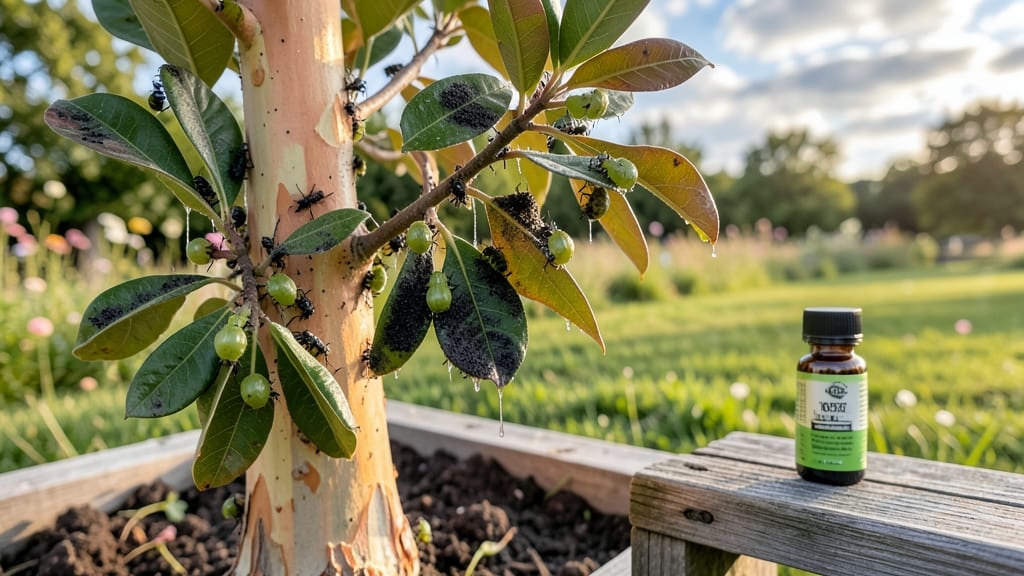
Crepe myrtle tree lice—those tiny, sticky pests—can turn your tree’s vibrant blooms into a sticky mess if left unchecked. 🌿 I’ve battled these guys (actually scales or aphids) on my own crepe myrtle, and I’ve learned that natural solutions work better than harsh chemicals in the long run.
The key is catching them early, when the damage is still minor and the tree can bounce back fast.
The first sign? White, cottony patches or shiny brown bumps on branches, and a sticky residue (called honeydew) that attracts ants and soot mold. Most gardeners panic and grab the strongest spray, but that often kills beneficial insects too.
Instead, I’ve had the best luck with a three-stage approach: knocking them off with water, smothering them with horticultural oil, and preventing a comeback with neem oil sprays. It’s simple, effective, and won’t harm your tree’s health.
By the time you’re done, your crepe myrtle will look fresh and revitalized, with no more sticky leaves or weakened growth. The best part? These methods work for other trees too—just adjust the timing based on your local pests.
Let’s get those branches clean and keep them that way for years to come.
Whether you’re dealing with a small infestation or a full-blown outbreak, this system scales to your needs. No more guessing—just clear, actionable steps that actually work. Ready to reclaim your tree’s glory?
Root Causes Of Crepe Myrtle Infestations
If your crepe myrtle trees are suddenly covered in tiny, stubborn pests, the issue likely stems from a mix of environmental, biological, and even human factors. Understanding these root causes is the first step to reclaiming your trees naturally.
Below, we break down the key triggers that turn your crepe myrtles into a buffet for sap-sucking insects—and how they create the perfect storm for infestations.
Crepe myrtles, like all plants, release chemical distress signals when under stress. These signals—often volatile organic compounds (VOCs) like methyl salicylate—act as an insect attractant. Here’s what puts your tree on high alert:
- 💧 Watering Woes: Overwatering or drought stress disrupts the tree’s natural defenses. Fungal root infections (like Phytophthora) or root rot weaken the tree’s ability to produce protective resins, making it easier for pests to latch on. Actionable fix: Water deeply but infrequently (1–2 inches per week) and improve drainage with organic mulch.
- ☀️ Nutrient Deficiencies: Yellowing leaves (chlorosis) or stunted growth often signal a lack of nitrogen, potassium, or micronutrients. Weak foliage is less tough and more appealing to sap-suckers. Actionable fix: Test soil pH (ideal: 6.0–7.0) and amend with compost or a balanced organic fertilizer (e.g., 10-10-10).
- ✂️ Poor Pruning Practices: Over-pruning or cutting at the wrong time (late fall/winter) removes protective bark layers and exposes fresh sap. Actionable fix: Prune in late winter/early spring (before bud break) and avoid "crepe murder"—never remove more than 25% of the canopy.
Lice (aka aphids, scale, or mealybugs) don’t randomly appear—they’re drawn to microclimates that mimic their natural ecosystems. Your crepe myrtle might be offering:
| Factor | Why It Attracts Pests | How to Disrupt It |
|---|---|---|
| 🌡️ Warm, Humid Microclimates | Pests thrive in temperatures 65–85°F with high humidity (e.g., dense foliage trapping moisture). | Thin out branches for airflow and avoid overhead watering. |
| 🍃 Overly Lush New Growth | Tender, nitrogen-rich shoots are a protein buffet for sap-suckers. | Apply a fish emulsion fertilizer (high in nitrogen) in early spring to harden growth. |
| 🌿 Adjacent Infested Plants | Pests spread via wind or ants (who "farm" aphids for honeydew). | Inspect nearby plants and remove debris where pests hide. |
Pests rarely work alone—they’re part of a symbiotic ecosystem that accelerates infestations. Here’s how:
- 🐜 Ants as Pest Bodyguards: Ants herd aphids and mealybugs, protecting them from predators in exchange for honeydew. Actionable fix: Use diatomaceous earth (DE) or soapy water sprays to disrupt ant trails.
- 🐞 Beneficial Insect Disruption: Ladybugs, lacewings, and parasitic wasps keep pest populations in check. Pesticides (even natural ones) can kill these allies. Actionable fix: Skip chemical sprays and introduce beneficial nematodes or neem oil (targeted applications only).
- 🌱 Root Grafting & Shared Sap: If multiple crepe myrtles are close, their roots may graft together, allowing pests to spread rapidly. Actionable fix: Space trees 10–15 feet apart and monitor for early signs of infestation.
Sometimes, the problem isn’t nature—it’s us. Unintentional gardening mistakes can turn a minor pest issue into a full-blown crisis:
- 🍂 Leaving Debris & Mulch Piles: Old leaves, bark, and mulch create hibernation hotspots for overwintering pests. Actionable fix: Clear debris in fall/winter and use cedar mulch (natural pest repellent).
- 🛒 Overusing Synthetic Fertilizers: High-phosphorus fertilizers attract scale insects, while excessive nitrogen promotes soft, pest-loved growth. Actionable fix: Switch to compost tea or worm castings for balanced nutrition.
- 🚫 Ignoring Early Warning Signs: Sticky leaves (honeydew), curled foliage, or black sooty mold are red flags. Actionable fix: Inspect trees weekly during growing season and act at the first sign of pests.
Natural Ways to Treat Tree Pests
Now that you understand why those pesky crepe myrtle tree lice (also called scale insects) invade your trees, it’s time to take action! The good news? You don’t need harsh chemicals to tackle them.
With a mix of manual removal, organic sprays, and preventive care, you can restore your tree’s health naturally. Below, we break down targeted solutions based on the root cause—whether it’s overcrowded branches, weak defenses, or environmental stress—plus pro tips to keep them away for good.
---
If you catch the problem early, physical intervention can make a huge difference. Scale insects hide under thick bark or in crevices, so a little elbow grease goes a long way.
#### 🔥 Step 1: Prune Infested Branches - 👨🍳 Trim heavily affected branches (at least 6–12 inches beyond visible damage) using sterilized pruners (wipe with rubbing alcohol between cuts). - ⏰ Best time: Late winter or early spring before new growth starts. - ✨ Pro Tip: Bag and dispose of pruned branches in sealed trash—don’t compost them!
#### 🍳 Step 2: Scrub Off Scale with Soap & Water - Mix 1 tbsp mild dish soap (like Castile soap) + 1 quart warm water in a spray bottle. - 🔪 Scrub infested areas with a soft brush (like a toothbrush) to dislodge eggs and adults. - 🌡️ Repeat weekly until no new pests appear (usually 3–4 weeks).
#### 🥘 Step 3: Apply Horticultural Oil (Best for Eggs & Nymphs) - Use refined horticultural oil (like Neem Oil or Dormant Oil) to suffocate scale insects at all life stages. - 📊 How to apply: - Spray thoroughly (including undersides of leaves) in early spring or late fall (avoid summer heat). - Reapply every 7–10 days for 3–4 weeks. - ⚠️ Warning: Test on a small branch first—some crepe myrtles are sensitive!
---
If the problem persists, scale insects may have built up a resistance to mild methods. Time for a two-pronged attack:
#### 🔥 Step 1: Introduce Beneficial Insects - Ladybugs, lacewings, and parasitic wasps love eating scale insects. - 💡 Where to buy: Local garden centers or online (check for native species). - 🎯 Release them in the evening when pests are most active.
#### 🍳 Step 2: Use a Systemic Organic Insecticide (For Stubborn Cases) - Neem Oil Spray (2% concentration) or Azadirachtin-based sprays disrupt their life cycle. - 📊 Application: - Spray every 5–7 days for 4–6 weeks (cover all leaf surfaces). - ✨ Pro Tip: Add 1 tsp baking soda per gallon to help break down their waxy coating.
#### 🥘 Step 3: Boost Tree Immunity with Fertilizer - 💪 Weak trees attract more pests. Feed with: - Balanced organic fertilizer (10-10-10) in early spring. - Compost tea (spray foliage monthly) for natural resistance.
---
Once you’ve kicked the scale insects out, prevent reinfestation with these long-term strategies:
| Cause | Fix | Prevention Tip | |--------------------------|--------------------------------------------------------------------------|-----------------------------------------------------------------------------------| | Overwatering | Reduce frequency; water at base only (not leaves). | 💡 Use drip irrigation to avoid soggy soil. | | Stress from Pruning | Prune only in late winter/early spring. | ✨ Thin branches to improve airflow (scale loves tight spaces!). | | Weak Tree Health | Apply balanced fertilizer + mulch (2–3 inches around base). | 🌡️ Monitor for nutrient deficiencies (yellow leaves = feed your tree!). | | Nearby Infested Plants | Remove dead/dying plants nearby. | 🎯 Quarantine new plants for 2 weeks before adding to your yard. | | Drought Stress | Deep water 1–2 times per week (check soil moisture). | 💪 Mulch heavily to retain moisture and regulate soil temp. |
--- 🔥 Final Reminder: Consistency is key! Scale insects reproduce quickly, so stick to your treatment plan for at least 6–8 weeks. With patience and the right approach, your crepe myrtle will bounce back stronger than ever—and those pesky pests won’t stand a chance! 🌳💪
Frequently asked questions
What are crepe myrtle tree "lice" really called?
They're most likely scale insects or aphids, not true lice. These tiny pests create sticky honeydew and white cottony patches on branches. True lice only affect animals, but gardeners often call these sap-sucking insects "lice" because of their similar appearance and damage patterns.
How do I know if my crepe myrtle has scale insects instead of just dirt?
Check for these signs: shiny brown bumps on branches (scale), white cottony masses (mealybugs), or sticky residue on leaves (honeydew). Run your finger over suspicious spots - if you feel a waxy coating or tiny crawling insects, it's definitely a pest problem.
Will my crepe myrtle die if I don't treat the infestation?
Not immediately, but severe infestations can weaken your tree over time. Heavy honeydew attracts sooty mold, blocking sunlight and reducing photosynthesis. In extreme cases, the tree may struggle to bloom or grow new leaves. The good news is that crepe myrtles are resilient - treating early prevents long-term damage.
Can I use vinegar to kill crepe myrtle pests?
Neat vinegar can harm your tree, but a 1:1 vinegar-water mix (1 part white vinegar to 1 part water) can help control soft-bodied pests like aphids. Always test on a small branch first and avoid spraying during hot weather. For scale insects, vinegar alone won't be enough - combine it with horticultural oil for better results.
How often should I inspect my crepe myrtle for pests?
Check your tree every 2-4 weeks during growing season (spring through fall). Focus on new growth, undersides of leaves, and branch crevices where pests hide. Early detection makes treatment much easier! Spring is especially critical as pests emerge from winter dormancy.