
How To
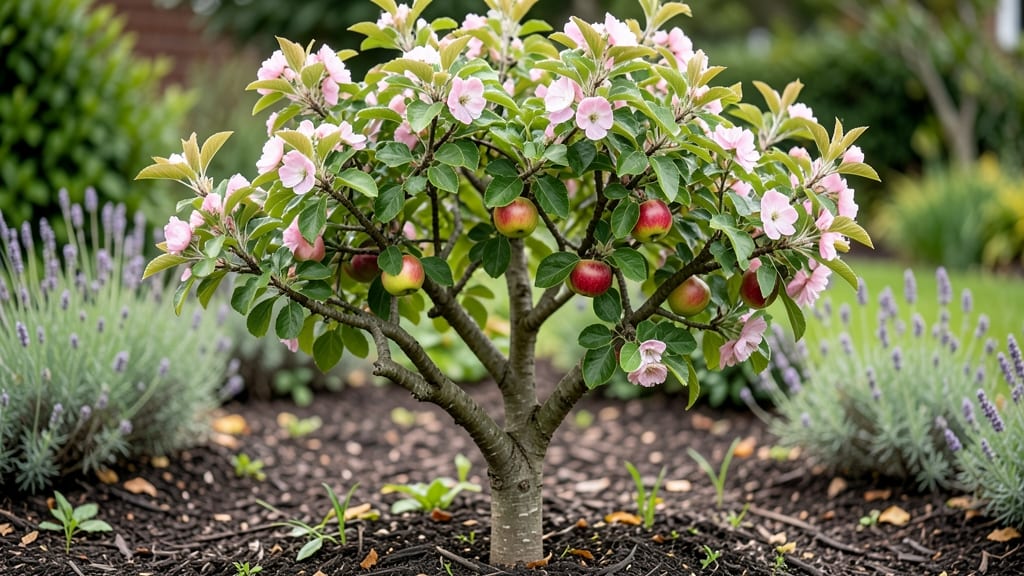
A dwarf apple tree grows to a mature height between 6 and 12 feet, making it the perfect fit for small yards, patios, or even large containers—how tall does a dwarf apple tree grow?
If you dream of harvesting fresh, homegrown apples but lack the yard space for a full-sized tree, dwarf apple varieties could be your perfect solution—some stay under 6 feet tall!
These compact trees retain all the fruit-bearing benefits of their larger counterparts but with a fraction of the space. Whether you’re working with a tiny urban garden or simply want to keep your orchard tidy, their manageable size means you can enjoy 🍎 without sacrificing style.
Below, I’ll break down the exact height ranges by variety, how to choose the right one for your space, and 5 proven tips to maximize growth—even in limited areas.


Dwarf apple tree height guide: exact mature sizes by variety
If you're wondering how tall does a dwarf apple tree grow, the answer depends entirely on the variety and rootstock you choose.
Unlike their full-sized counterparts that can tower up to 25 feet, dwarf apple trees typically mature between 6 and 8 feet, making them perfect for small yards, patios, or even large containers.
The key difference lies in the rootstock—the underground part of the tree that controls its growth rate and final height.
Dwarf apple trees grow significantly slower than standard trees, reaching mature height in just 3-5 years compared to 10+ years for full-sized varieties. This rapid growth makes them ideal for impatient gardeners eager to enjoy homegrown fruit without the decades-long wait.
Plus, their compact size means you can plant multiple varieties close together, creating a mini orchard even in tight spaces.
Here’s what you need to know about the most popular dwarf apple tree varieties and their mature heights, including some surprising compact options that defy expectations:
| Variety | Mature Height (ft) | Rootstock Type | Growth Rate (yrs to maturity) | Best For |
|---|---|---|---|---|
| 'Red Delicious' | 6-8 ft | M.9 or M.26 | 3-4 years | Small gardens, containers (20+ gal) |
| 'Fuji' | 6-7 ft | M.9 | 3-5 years | Urban yards, patio planting |
| 'Granny Smith' | 5-7 ft | M.9 or M.27 | 4-5 years | Containers, balcony gardens |
| 'Columnar Varieties' (e.g., 'Red River') | 6-8 ft (but only 1-2 ft wide!) | Specialized columnar rootstock | 3-4 years | Narrow spaces, vertical gardens |
| 'Semi-Dwarf Varieties' (e.g., 'Honeycrisp') | 10-12 ft | MM.106 or MM.111 | 5-7 years | Medium yards, larger containers |
| 'Liberty' | 6-8 ft | M.9 | 3-4 years | Disease-resistant, small spaces |
The M.9 rootstock is the most common for true dwarf apple trees, producing varieties that stay under 8 feet tall. If you're working with an even smaller space, consider columnar apple trees, which can reach 8 feet tall but only 1-2 feet wide.
These are essentially "apple trees in a bottle," perfect for balconies or narrow garden beds.
One common misconception is that all dwarf apple trees are the same size. In reality, semi-dwarf varieties (like those on MM.106 rootstock) can grow up to 12 feet tall, which is still much smaller than a standard tree but requires more space.
Always check the rootstock type when shopping, as this determines the tree's ultimate height and growth rate.
For container growing, stick to varieties grafted onto M.9 or M.26 rootstock and use pots at least 20 gallons in size. These trees will need regular pruning to maintain their shape and encourage fruit production, but their compact size makes them far more manageable than full-sized trees.
Just remember: larger containers = less frequent watering, but never let the soil dry out completely.
If you're comparing growth rates, a dwarf apple tree on M.9 rootstock will reach 50% of its mature height in
How to choose the right dwarf apple tree for your space
Selecting the perfect dwarf apple tree for your garden starts with understanding how rootstock and growing conditions influence height. Most dwarf varieties reach 6-8 feet at maturity, but some columnar types stay under 4 feet.
Your choice depends on whether you're planting in containers or in-ground, as well as your space constraints.
For container growing, opt for columnar apple trees like 'Columnar Red Delicious' or 'Columnar Fuji', which grow just 4-6 feet tall and thrive in 15-20 gallon pots. These varieties are ideal for patios or balconies, but remember they need full sun and consistent watering to maintain healthy growth.
In-ground planting offers more flexibility. Semi-dwarf varieties like 'Gala' or 'Honeycrisp' on M.9 rootstock typically reach 8-12 feet, while true dwarfs like 'Liberty' on B.9 rootstock stay under 6 feet.
The key is matching your tree's mature size to your available space while leaving room for 3-5 feet of clearance around the trunk.
Dwarf Apple Tree Height Comparison
Pros
- ✅ Space-saving: Fits small yards, patios
- ✅ Easier harvesting: No ladder needed for most
- ✅ Faster fruiting: Produces apples in 2-3 years
- ✅ Container-friendly: Works in large pots
Cons
- ❌ Limited root space: Needs regular feeding
- ❌ Pollination needed: Requires second tree or hand-pollination
- ❌ Shorter lifespan: Typically 15-20 years
- ❌ Pruning required: Needs annual shaping
Don't overlook sunlight requirements when choosing your tree. All apple varieties need 6-8 hours of direct sun daily for optimal growth and fruit production. If your space gets only partial sun, consider columnar varieties which tolerate slightly less light better than standard dwarfs.
Pollination is another critical factor. Most dwarf apple trees require a second tree for cross-pollination. If space is extremely limited, choose self-pollinating varieties like 'Liberty' or 'Enterprise', which produce fruit with just one tree. Just remember these may have slightly smaller yields compared to cross-pollinated pairs.
Finally, consider your long-term maintenance plan. Dwarf trees need annual pruning to maintain shape and encourage fruiting. In containers, you'll also need to repot every 2-3 years to accommodate root growth.
With proper care, your 6-foot dwarf apple tree can produce 50-100 pounds of fruit annually—enough for fresh eating, baking, and sharing with neighbors!