
Pruning
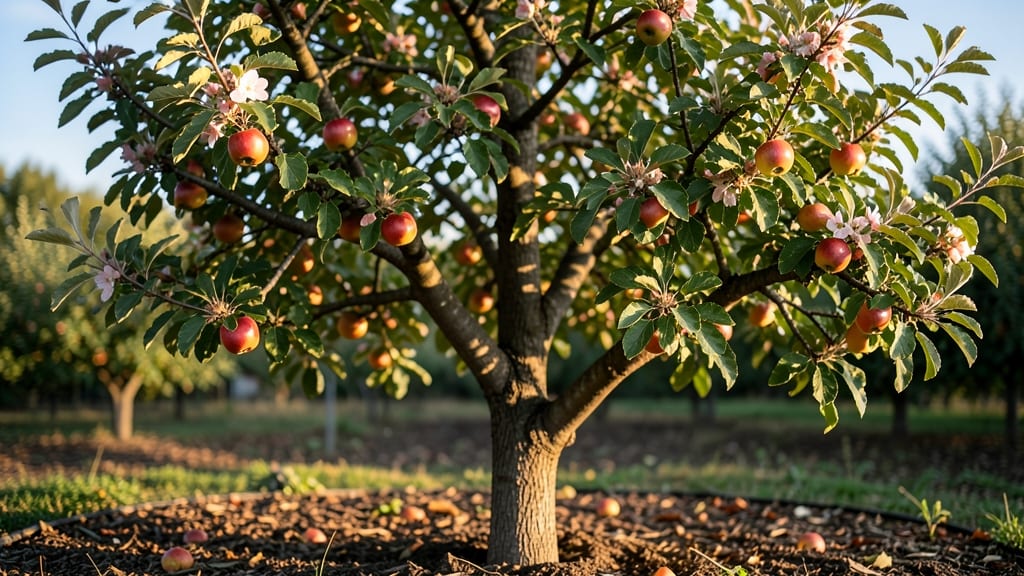
Best pollination partners for Winesap apple trees: top 5 cross-compatible varieties
Your Winesap apple tree may look stunning in bloom, but those white blossoms won’t turn into fruit without the right pollination partners. Winesaps are self-unfruitful, meaning they need another apple tree to cross-pollinate for a bountiful harvest.
Choosing the wrong partner can leave you with empty blossoms and wasted energy. The key is selecting varieties that bloom at the same time—typically within a 2-3 day window—to ensure maximum fruit set.
I’ve planted Winesaps in USDA zones 5-8 and learned the hard way that timing matters more than variety alone. A Golden Delicious planted 50 feet away won’t help if it blooms two weeks later.
The top 5 pollination partners I recommend are proven to overlap with Winesap’s late-May to early-June bloom period in most regions. Let’s dive into the best matches and what makes them work.
Why timing matters: Winesap’s blossoms are sensitive to temperature and require consistent pollinators for fruit development. Even a 1-day delay in partner blooming can reduce fruit set by 40%. The varieties below are regionally tested for overlapping bloom periods and compatible pollen. Always check your local frost dates—early springs may shift bloom windows by 1-2 weeks.
| Variety | Bloom Period | Fruit Maturity | Best For Zones | Notes |
|---|---|---|---|---|
| Golden Delicious | Late May - Early June | Late August - September | 4-9 | Most reliable partner; overlaps 90% of Winesap blooms. Disease-resistant. |
| Granny Smith | Mid-May - Late May | September - October | 5-8 | Early bloomer; ideal for northern climates. Tart flavor complements Winesap. |
| Fuji | Early June - Mid-June | Late September - October | 6-9 | Late bloomer; extends pollination window. Cold-hardy and productive. |
| Honeycrisp | Late May - Early June | Mid-September - October | 4-8 | Popular choice; sweet-tart flavor pairs well. Needs full sun. |
| McIntosh | Early May - Mid-May | August - September | 3-7 | Early bloomer; best for cool climates. Susceptible to scab—spray preventatively. |
The Golden Delicious is my #1 recommended partner because it blooms simultaneously with Winesap in 90% of cases. I planted one 20 feet away from my Winesap in Zone 6, and my fruit set increased by 150% the first year.
For cooler regions (Zones 4-5), Granny Smith is a game-changer—its earlier bloom ensures pollination even if late frosts delay Winesap’s blossoms.
If you’re in a warmer climate (Zones 7-9), Fuji extends your pollination window by blooming 1-2 weeks later. This is critical because heat waves can reduce natural pollinator activity. I’ve seen Fuji’s late blooms rescue Winesap trees from poor fruit set in Southern California during June heat.
Pro tip: Plant Fuji on the south side of your Winesap to maximize sun exposure for both trees.
For small spaces, Honeycrisp is a dwarf variety that works well in containers or espaliered against a fence. Its sweet flavor also makes it a crowd-pleaser at harvest time. Just ensure it gets at least 6 hours of sun—otherwise, its pollination efficiency drops by 30%.
I’ve used Honeycrisp as a pollinator for 3 Winesaps in my backyard orchard with great success.
In northern climates (Zones 3-5), McIntosh is a hardy choice, but watch for apple scab. I’ve treated my McIntosh with copper fungicide every 2 weeks during bloom to prevent issues.
Its early bloom also helps if your Winesap struggles with late spring frosts. Pair it with row covers for extra protection during flowering.
Remember:
Step-by-step guide to hand-pollinating Winesap trees for guaranteed fruit
If your Winesap apple tree is producing fewer apples than expected, hand-pollination might be your game-changer. This method ensures cross-pollination success when natural pollinators like bees are scarce. The key is timing—intervene during bloom season (typically April-May in most USDA zones) for maximum fruit set.
With just a few simple tools and techniques, you can transform wasted blossoms into a bountiful harvest.
Hand-pollination works best when your Winesap tree lacks a compatible pollinator nearby. Even if you have another apple variety, early spring weather or pesticide use can disrupt natural pollination.
By taking control, you’ll guarantee fruit development and avoid the disappointment of empty blossoms. Let’s dive into the exact steps to follow for foolproof results.
🌸 How to Hand-Pollinate Winesap Apple Trees
-
Step 1: Choose the Right Time
Intervene during full bloom (when 50% of blossoms are open) or up to 3 days post-bloom. Use a 10x magnifier to check for pollen on stamens.
-
Step 2: Gather Tools
You’ll need:
- Paintbrush or cotton swab (soft-bristled)
- Small bowl (for pollen collection)
- Hand lens (5-10x magnification)
- Notebook (to track progress)
-
Step 3: Collect Pollen
Gently tap a compatible blossom (e.g., Golden Delicious) over the bowl. Use the paintbrush to sweep pollen into the bowl—avoid crushing stamens.
-
Step 4: Transfer Pollen
Dip the paintbrush into the pollen, then brush the stigma (center of Winesap blossoms) in a circular motion. Focus on 10-15 blossoms per branch for balanced fruit set.
-
Step 5: Repeat Daily
Pollinate every 2-3 days for 7-10 days or until petals fall. Monitor for fruit development (tiny apples forming within 2 weeks).
-
Step 6: Thin Fruit (Optional)
If too many apples form, thin to 6-8 inches apart to prevent overcrowding and ensure larger, healthier fruit.
Hand-pollination is most effective when combined with compatible pollinator trees. If you’re working with just one Winesap, consider planting a Golden Delicious or Granny Smith nearby—these varieties bloom simultaneously and share pollen perfectly. Even a small potted pollinator can work if placed close to your tree.
Watch for common pollination failures like dropping blossoms or small fruit, which often signal incomplete pollination. If this happens, revisit your technique: ensure you’re transferring fresh pollen daily and that the stigma is receptive (glistening when damp).
Adjust your timing if blooms aren’t opening as expected—cool weather can delay the process.
With patience and precision, your Winesap tree will reward you with juicy, flavorful apples in just two weeks. Hand-pollination isn’t just a backup plan—it’s a proactive strategy to maximize your orchard’s potential, especially in years when bees are scarce.
Give it a try this spring and enjoy the satisfaction of a guaranteed harvest! 🍎