
Pruning
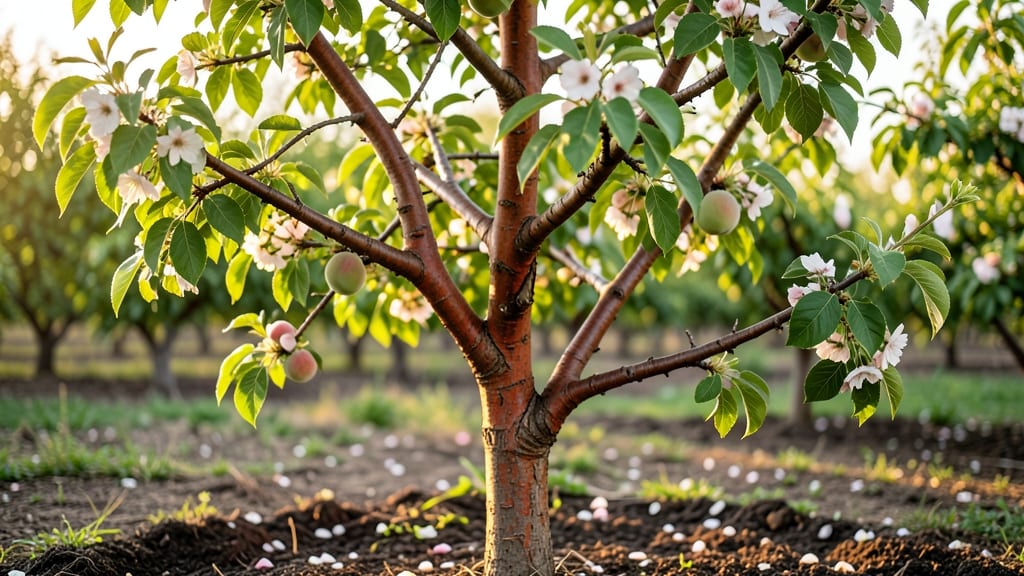
Growing peaches in Vancouver means working with the city's mild but unpredictable climate—where winter rains and spring frosts can turn sweet dreams into bitter disappointments. 🌿 I've learned the hard way that peach trees here need year-round care, especially pruning, to survive our damp winters and produce fruit that rivals any orchard.
The key? Starting with the right varieties like 'Reliance' or 'Redhaven', which handle our coastal chill better than most. Planting in late fall or early spring gives young trees the best chance, but drainage is critical—Vancouver's heavy soils need amending with compost or gravel to prevent root rot.
Water deeply once a week during dry spells, and always protect new growth with frost cloth until the last frost date (usually mid-April).
The pruning schedule is what separates a struggling bush from a fruit-bearing powerhouse: winter cuts to open the canopy, summer trims to shape growth, and fall cleanups to prevent disease. What you'll end up with is a tree that thrives in our climate, producing juicy peaches by midsummer.
The branches stay strong, the fruit sets reliably, and you avoid the common pitfalls like peach leaf curl or winter dieback. Urban gardeners can even try dwarf varieties in large containers—just ensure the pot has drainage holes and you move it to shelter during harsh freezes.
Local nurseries like Richmond Nursery or UBC Farm stock Vancouver-adapted varieties, and workshops at Vancouver Community College teach pruning techniques tailored to our climate. Let's get those peaches growing!
📚 In This Guide
- What you need
- Instructions
- Tips and common mistakes
- Wrapping up and next steps
What you need
- ● Pruning shears (bypass or anvil type) – Sharp, clean, and disinfected (1 pair, 6-8" blade length).
- ● Loppers – For thicker branches (3/4"–2") (1 pair, 10-12" reach).
- ● Pruning saw – For branches >2" in diameter (1, with a fine-tooth blade).
- ● Gloves – Heavy-duty, cut-resistant (1 pair, preferably leather).
- ● Disinfectant (70% isopropyl alcohol or bleach solution) – 1:9 bleach-water ratio (for sterilizing tools between cuts).
- ○ Sealing wax or pruning paint – Optional but recommended for large cuts >1" (small jar, ~8 oz).
- ● Ladder or step stool – Sturdy and tall enough to reach branches safely (adjustable height preferred).
- ● Heavy-duty trash bags – For collecting pruned branches (2-3 bags).
- ● Sharpie or labeling tape – To mark branches for future reference (small pack).
- ● Weather check – Prune on a dry, overcast day (avoid frost or rain within 24 hours).
- ● Tree health assessment – Inspect for pests/diseases (e.g., peach leaf curl) before pruning.
- ● Safety gear – Safety glasses and long sleeves (Vancouver’s Pacific climate can bring sudden wind!).
- ● Water source – Hose or bucket of water to clean tools post-pruning.
- ● Extension pole pruners – For high branches (1, 6-10 ft reach).
- ● Tree growth regulator – e.g., hydrogen peroxide (3%) to disinfect cuts.
- ● Notebook & pen – To sketch your pruning plan or track tree growth.
- ● Mulch (wood chips or straw) – To protect the root zone post-pruning.
Instructions for pruning a peach tree in Vancouver’s Pacific climate
Vancouver’s mild winters and wet summers demand a tailored pruning approach—here’s how to keep your tree thriving.
✂️ Step 1: Late Winter Dormant Pruning (January–February)
Start when the tree is fully dormant but before buds swell—late January to early February works best in Vancouver. This is your chance to remove dead, diseased, or crossing branches first. I grab my pruners and scan the tree from top to bottom, cutting back any limbs that rub against each other or grow inward.
Look for branches with no buds or dead wood—these won’t produce fruit and can harbor pests. Cut these back to the trunk or a healthy lateral branch. Make clean cuts at a 45-degree angle, just outside the branch collar. Vancouver’s damp winters mean wounds heal slower, so avoid heavy pruning that could stress the tree.
☀️ Step 2: Light Summer Pruning (June–July)
After the first flush of fruit sets, do a light pruning in mid-June to early July. This isn’t about shaping—it’s about opening the canopy to improve airflow and sunlight penetration. I target branches that are too dense or shading the center of the tree, which can lead to fungal issues in Vancouver’s humid summers.
Remove any suckers or water sprouts (fast-growing, vertical shoots) immediately. These steal energy from fruit production. Thin out clusters of fruit so remaining peaches have space to grow—aim for 6–8 inches between each fruit. This ensures larger, sweeter peaches instead of a heavy load that stresses the tree.
🌿 Step 3: Post-Harvest Cleanup (September)
Once you’ve picked the last peach in late August to early September, it’s time for a final prune. Remove any branches that bore poorly this year—they’re likely weak and won’t produce well next season. Also, cut back any damaged limbs from summer storms or pests, which are common in Vancouver’s wet climate.
This is also the time to sterilize your pruners with rubbing alcohol to prevent spreading disease. I like to give the tree a light shaping pass, ensuring the main scaffold branches are evenly spaced. Avoid heavy pruning now, though—you want the tree to harden off before winter.
⏰ Step 4: Winter Protection (November–December)
Vancouver’s mild winters (35–45°F) usually mean peach trees don’t need heavy protection, but young trees or severe cold snaps require extra care. In late fall, apply a 2–3 inch layer of mulch around the base (but not touching the trunk) to insulate roots. I also wrap the trunk of young trees with tree guard to prevent rodent damage.
Prune out any dead or broken branches after the first frost—this is safer and cleaner. Avoid heavy pruning now, as new growth won’t harden off before winter. Instead, focus on removing anything that could harbor pests or disease over the damp Pacific Northwest winter.
Tips & tricks for perfect year-round peach tree care in Vancouver
Here's what I've learned from years of pruning peach trees in Vancouver's unique climate—these tricks make all the difference for healthy, productive trees.
Timing is Everything: In Step 1, when you're pruning in late January to early February, check the weather forecast. If we get an unexpected warm spell, buds might start swelling earlier than usual. I've learned to have my pruners ready by mid-January so I can act quickly if the tree wakes up from dormancy too soon. This prevents stressing the tree by pruning too late in the season.
The 45-Degree Angle Secret: When making those clean cuts at a 45-degree angle in Step 1, I've found that using a small notched pruner makes this easier. The notch helps guide your cut just outside the branch collar—this detail prevents unsightly stubs and promotes faster healing, which is especially important in Vancouver's damp climate where wounds take longer to seal.
Summer Pruning Precision: During Step 2's mid-June to early July pruning, I recommend working on overcast days or in the early morning. Vancouver's summer sun is intense, and pruning in direct sunlight can stress the tree. Also, when thinning fruit clusters, I use a permanent marker to circle the peaches I'm keeping—this helps me visualize the 6-8 inch spacing more clearly and prevents overcrowding.
Post-Harvest Sterilization: In Step 3, when you sterilize your pruners with rubbing alcohol, I've discovered a simple trick: keep a small bottle of alcohol in a spray bottle attached to your pruning tool belt. This makes it easy to sterilize between cuts, especially when dealing with multiple branches that might carry different diseases. Vancouver's wet climate means fungal spores are always present, so this extra precaution pays off.
Pro Tips for Peach Tree Vancouver
- Here's what I've learned from years of pruning peach trees in Vancouver's unique climate—these tricks make all the di...
- Timing is Everything: In Step 1, when you're pruning in late January to early February, check the weather forecast. I...
- The 45-Degree Angle Secret: When making those clean cuts at a 45-degree angle in Step 1, I've found that using a smal...
Frequently asked questions
Got questions about growing and pruning peach trees in Vancouver’s unique climate? You’re not alone! Here are answers to the most common queries—from timing to troubleshooting—so you can keep your tree thriving and productive year-round.
When is the best time to prune a peach tree in Vancouver?
Prune your peach tree twice a year in Vancouver’s mild climate: late winter (February–March) for major shaping (before buds swell) and summer (June–July) to remove water sprouts and diseased branches. Avoid heavy pruning in fall—it can stimulate late growth vulnerable to frost.
How do I protect my peach tree from Vancouver’s wet winters?
Peach trees hate soggy soil and fungal diseases like brown rot. Raise the soil level slightly with compost or mulch (keep mulch 3–4 inches away from the trunk), and prune for airflow to reduce humidity. If frost is forecast, wrap young trees with frost cloth or use a tree blanket—just remove it during the day to avoid overheating.
Why isn’t my peach tree producing fruit?
Common culprits in Vancouver’s climate include over-pruning (keep 60–70% of the canopy), poor pollination (plant a second tree nearby if you have only one), or nutrient deficiencies. Test your soil (Vancouver’s acidic soil often lacks phosphorus) and amend with bone meal or composted manure in early spring. Thin fruit in June to improve size—leave 6–8 inches between peaches.
Can I prune a peach tree myself, or should I hire a pro?
If your tree is under 15 feet tall and healthy, DIY pruning is totally doable! Use sharp, clean tools (sterilize with rubbing alcohol between cuts), and focus on open-center shape for airflow. For mature or diseased trees, consult a certified arborist—Vancouver’s local experts can spot issues like peach leaf curl early.
What’s the best alternative if I can’t grow a peach tree in Vancouver?
Try these low-maintenance, fruit-bearing alternatives that thrive in Vancouver’s climate:
- Apple trees (e.g., ‘Spencer Seedling’): Cold-hardy and productive.
- Fig trees (e.g., ‘Brown Turkey’): Drought-tolerant and great for containers.
- Cherry trees (e.g., ‘Stella’): Self-pollinating and resistant to brown rot.
- Blueberries: Acid-loving and perfect for small spaces.
Bonus: Dwarf varieties (like ‘Bonanza’ peach) work well in containers if space is tight!
Wrapping up and next steps
Growing a thriving peach tree in Vancouver’s unique Pacific climate is absolutely doable—especially when you embrace year-round pruning! By mastering the art of seasonal trimming, you’ll encourage healthier growth, better fruit production, and a tree that stands strong against the region’s mild winters and damp summers. 🌿✨
Now that you’re armed with the right tools, techniques, and answers to common questions, it’s time to roll up your sleeves. Start with a quick assessment of your tree this weekend—prune a single branch today and observe how it responds.
Before you know it, you’ll be harvesting juicy, homegrown peaches that outshine any store-bought variety! 🍑💚