
How To
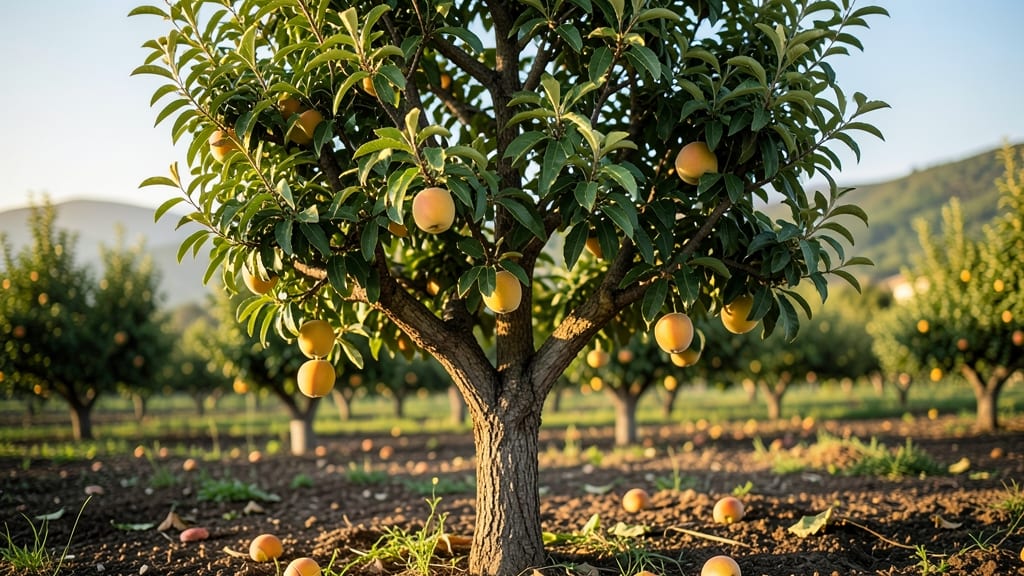
How tall does a peach tree grow? Mature peach trees typically reach heights of 15 to 25 feet, but the right variety can keep them under 10 feet—perfect for small yards or containers.
Dreaming of homegrown peaches but worried about limited space? The height of your 🍑 peach tree could make or break your backyard garden—some dwarf varieties stay under 10 feet while standard trees tower over 20 feet. Here’s what you need to know before planting.
Standard peach trees reach their full height in 5 to 7 years, while dwarf varieties mature faster and stay compact, making them ideal for urban gardens or patios. Knowing the difference can save you headaches—and pruning—down the road.
Below, I break down the height ranges for each type, how to choose the right variety for your space, and pruning tips to control growth without sacrificing fruit production.


Peach tree height guide: standard vs dwarf varieties explained
Choosing the right peach tree height is critical for your garden layout. Standard varieties can reach 20-30 feet, while dwarf peach trees stay compact at 8-12 feet.
Your space, sunlight access, and maintenance goals determine which size is best for you. Let’s break down the key differences so you can make an informed decision.
Understanding peach tree growth rates helps with planning. A standard tree grows 3-5 feet yearly until maturity, while dwarf varieties grow 1-2 feet per year. This slower growth makes dwarf trees ideal for small yards or container gardening, while standard trees dominate larger landscapes.
Here’s how peach tree heights compare across varieties, including space requirements and ideal planting scenarios:
| Type | Mature Height | Growth Rate (Yearly) | Space Needed | Best For |
|---|---|---|---|---|
| Standard | 20-30 ft | 3-5 ft | 20+ ft diameter | Large yards, orchards |
| Semi-Dwarf | 12-18 ft | 2-3 ft | 15-20 ft diameter | Medium yards, patios |
| Dwarf | 8-12 ft | 1-2 ft | 10-15 ft diameter | Containers, small spaces |
Standard peach trees are perfect for rural settings or orchards where space isn’t a concern. Their towering height provides shade and dramatic visual appeal, but they require regular pruning to manage size and encourage fruit production.
If you’re planting near your home, consider semi-dwarf varieties—they strike a balance with 12-18 feet of height while fitting well in suburban yards.
For urban gardens or small backyards, dwarf peach trees are game-changers. Varieties like 'Bonanza' or 'Redhaven' stay under 10 feet and thrive in containers or tight spaces.
Just ensure they get full sun exposure (6-8 hours daily) to produce sweet, flavorful fruit. Their compact size also makes harvesting easier without ladders!
When planning your garden layout, account for tree diameter too. A mature standard peach tree needs 20+ feet of space to spread its branches, while dwarf trees require only 10-15 feet. Place taller varieties near fences or property lines to maximize your usable garden area.
For example, pair a dwarf peach tree with a rosemary bush or lavender to create a low-maintenance, fragrant border.
Pruning plays a key role in controlling peach tree height. Young trees benefit from structural pruning in their first few years to establish a strong framework. For dwarf varieties, annual pruning keeps them tidy and encourages fruit-bearing branches.
Avoid over-pruning, though—removing too many branches can reduce fruit production. Aim to remove no more than 25% of the canopy per year.
If you’re unsure which size to choose, start with a dwarf or semi-dwarf variety for flexibility. You can always prune back a standard tree later, but you can’t magically shrink a towering peach tree into a compact one!
Test your soil’s drainage and pH (ideal range: 6.0-7.0) before planting, as poor conditions can stunt growth regardless of variety.
Remember, peach tree height isn’t the only factor—consider fruit yield and cold hardiness too. Dwarf trees may produce slightly fewer peaches than standard varieties, but their convenience often outweighs the trade-off.
For the best results, choose a variety suited to your USDA hardiness zone (most peaches thrive in zones 5-9).
Ready to plant? Measure your space, pick your preferred height, and enjoy years of homegrown peaches—whether your tree stands tall like a giant or stays small and manageable! 🍑✂️
Top 5 space-saving peach tree varieties under 10 feet
If you love the idea of fresh peaches but lack the space for a towering tree, you’re in luck! Many compact peach varieties thrive under 10 feet tall while still producing delicious fruit.
These dwarf and semi-dwarf options are perfect for small backyards, patios, or even large containers. Let’s explore the best choices for your space.
When selecting a space-saving peach tree, prioritize sunlight exposure (at least 6-8 hours daily) and well-draining soil. Most compact varieties also benefit from regular pruning to maintain their size and shape. With the right care, these trees can yield abundant fruit even in tight spaces.
The Bonanza variety is one of my favorites for small spaces—it stays under 10 feet tall and thrives in containers. Its sweet, yellow fruit ripens early, making it ideal for patio gardens or balconies. Just ensure it gets plenty of sunlight and well-draining soil to prevent root rot.
For those who love red peaches, the Redhaven is a classic choice, though it prefers in-ground planting. Its 9-10 foot height makes it manageable for smaller yards, and its rich flavor is hard to beat. Pair it with a pollination partner like the Bonanza for better fruit set.
If you’re looking for something truly unique, the Sanguinelle peach stands out with its blood-red fruit and compact 8-9 foot stature. This variety is perfect for adding a pop of color to your garden while staying space-efficient. It’s also container-friendly, making it a great option for urban gardeners.
Don’t overlook pruning—even dwarf varieties need occasional trimming to maintain their shape and encourage fruit production. Prune in late winter or early spring before new growth begins, removing any dead or crossing branches. This keeps your tree healthy and fruit-bearing year after year.