
Pruning
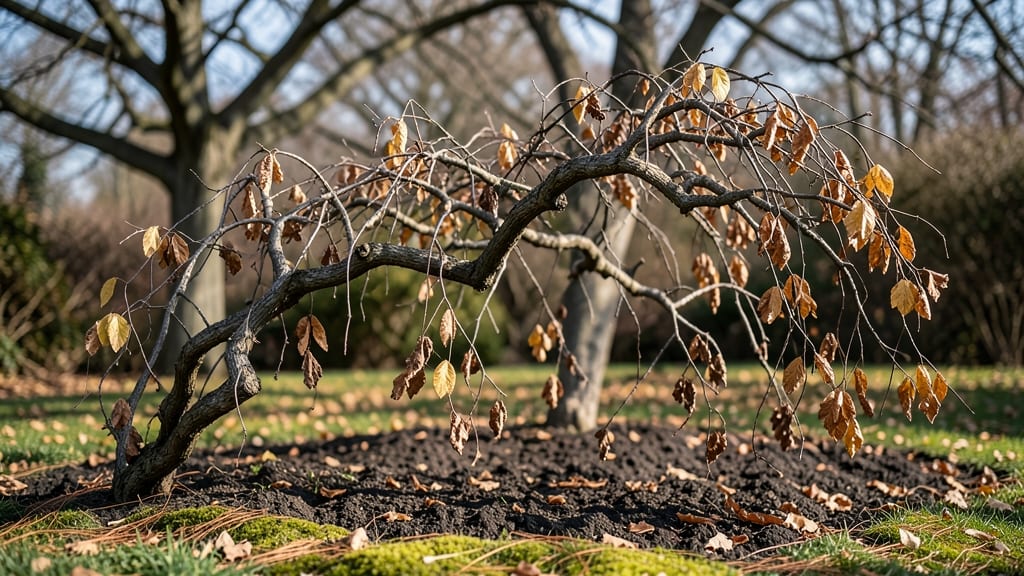
Winter is the perfect time to prune your wisteria tree—when the branches are bare and the risks of disease are lowest. ✂️ I learned this the hard way after waiting until spring and watching my blooms get leggy and sparse.
The dormant season lets you shape the tree without stressing it, ensuring a showstopping display come spring.
Start by removing dead or crossing branches first—they’re easy to spot without leaves. Then, cut back last year’s growth by about one-third, focusing on the oldest stems to encourage new, vigorous growth.
Wisteria thrives on bold pruning, but timing matters: late winter, just before buds swell, is ideal for most climates.
After pruning, protect your tree from harsh winds and frost by wrapping the trunk with burlap or using a tree guard. Mulch around the base to insulate roots, and avoid heavy pruning if your area gets extreme cold—wisteria can handle 20°F, but younger plants need extra care.
By spring, you’ll see fresh green shoots and clusters of buds ready to burst into color. The key is consistency—prune every winter, and your wisteria will reward you with lush, fragrant blooms year after year. Start small if you’re new, and don’t hesitate to ask for help with heavy branches!
📚 In This Guide
- What you need
- Instructions
- Tips and common mistakes
- Wrapping up and next steps
What you need
- ● Pruning shears: Bypass pruners (sharp, clean, and not anvil-type) for cuts under ½ inch in diameter.
- ● Loppers: 1 pair (for cuts between ½–1½ inches thick). Look for bypass-style with ergonomic grips.
- ● Pruning saw: 1 small handsaw (for branches over 1½ inches thick). Foldable models save space!
- ● Garden gloves: 1 pair cut-resistant gloves (wisteria thorns are no joke!).
- ● Disinfectant: 70% isopropyl alcohol or rubbing alcohol (1 small bottle) to sterilize tools between cuts.
- ● Rope or twine: 50–100 feet of jute or nylon (¼-inch width) for tying branches.
- ○ Pole saw or extension pole: Optional but helpful for high branches (12–16 feet long).
- ● Hand pruners with ratchet: For easier repetitive cuts (great if you’re pruning a mature tree!).
- ● Pruning sealant: Tree wound dressing (like Tanglefoot) for large cuts (controversial but some swear by it!).
- ● Ladder: Sturdy, non-slip (16–20 feet tall) if your tree is tall. Never stand on wobbly ladders!
- ● Work boots: With ankle support and traction for stability.
- ● Notebook & pen: To sketch your pruning plan before diving in!
Step-by-step guide to pruning wisteria in winter
Winter's the perfect time to shape your wisteria—here's how to do it right for stunning spring blooms.
✂️ Step 1: Time Your Pruning Precisely
Prune your wisteria in late winter or early spring, just as new growth begins but before buds swell. This is typically February to March in most climates, when temperatures hover around 40-50°F. You'll know you're ready when you see tiny green buds forming along the branches—these signal the plant's about to wake up from dormancy.
Don't wait until spring blooms appear. Pruning after buds open removes next year's flowers. If you missed winter pruning, you can do light maintenance pruning after flowering, but you'll sacrifice some bloom potential. I always mark my calendar for mid-February to stay on schedule.
🌿 Step 2: Remove Dead and Weak Wood First
Start by removing any dead, diseased, or crossing branches. Look for branches that are completely brown and brittle—they won't regrow. Use sharp pruning shears to cut these back to the main stem or a healthy lateral branch. You'll notice these dead branches often have no buds along their length, while healthy wood has clusters of dormant buds.
Next, eliminate any branches that are rubbing against each other. These create wounds that invite disease. Cut one of the rubbing branches completely off at its base. This cleanup step prevents problems later and opens the canopy for better air circulation. I like to make these cuts first because they're the easiest to identify.
✂️ Step 3: Shape the Main Structure
Now focus on shaping your wisteria's framework. Look for branches that grow inward or downward—they'll never get enough sunlight to flower well. Cut these back to a strong outward-growing branch or the main stem. Aim to create an open, vase-like shape that lets light penetrate to the center of the plant.
Leave some long, vigorous branches if they're growing in good directions. These will produce the most flowers. I usually keep about 3-5 main branches as my framework, cutting back any additional stems that compete for energy. Remember, wisteria flowers on last year's growth, so you're not removing potential blooms—you're directing the plant's energy where you want it.
🌱 Step 4: Thin Out Overcrowded Areas
Look for clusters of branches growing too closely together. These compete for sunlight and nutrients, resulting in weak growth and poor flowering. Select the strongest, healthiest branch in each cluster and cut the others back to their point of origin. You'll see immediately when you've done this right—the center of the plant will open up and let light reach all areas.
Pay special attention to the tips of branches. If they're growing too long and leggy, cut them back by about one-third. This encourages bushier growth and more flowering sites. I make these cuts just above a outward-facing bud to promote new growth in the right direction. After pruning, the branch tips should look like little stubs with buds ready to burst.
🪴 Step 5: Clean Up and Apply Protective Measures
After pruning, collect all your clippings and dispose of them properly. Don't compost wisteria prunings—they can harbor diseases. Sterilize your pruning tools with rubbing alcohol between cuts to prevent spreading any potential infections. I like to keep a small spray bottle of alcohol handy for quick cleanups between branches.
Finally, apply a thin layer of mulch around the base of your wisteria tree. This protects the roots from winter temperature swings and retains moisture. Water deeply after pruning to help the plant recover. In colder climates, consider wrapping the base with burlap for extra protection against harsh winds. Your wisteria will thank you with lush, vigorous growth come spring.
Tips & tricks for pruning wisteria in winter
Took me years to figure out these tricks—now your wisteria will bloom like crazy next spring. The difference between a tired old vine and a showstopper comes down to these details.
Timing Secret: Look for those tiny green buds forming in February, not just the calendar date. If your area had an unusually warm winter, buds might appear earlier—don't wait for March if you see them swelling. I've seen wisteria bud in late January in mild climates, so check weekly after New Year's. The goal is to prune when the plant is just waking up but hasn't started flowering yet.
Tool Technique: Never use dull shears—they crush branches instead of making clean cuts. I keep a small bottle of rubbing alcohol in my pruning kit to sterilize between cuts, especially when removing diseased wood. For thick branches over 1/2 inch, use loppers instead of hand pruners. Always make cuts at a 45-degree angle just above an outward-facing bud to encourage new growth in the right direction.
Branch Selection Strategy: When shaping your framework in Step 3, prioritize branches that grow at a 45-degree angle outward from the trunk. These will get maximum sunlight and produce the most flowers. I like to visualize the plant as an open vase—no branches should grow directly inward. If you're unsure which branch to keep, choose the one with the most dormant buds along its length.
Post-Pruning Care: After finishing, give your wisteria a deep watering to help it recover from the stress of pruning. In colder regions, I've found wrapping the base with burlap (removed in early spring) helps protect against late winter freezes. For container-grown wisteria, move pots to a sheltered location if temperatures dip below 20°F. The key is helping roots recover while preventing new growth from being damaged by late frosts.
Pro Tips for Wisteria Tree In Winter
- Took me years to figure out these tricks—now your wisteria will bloom like crazy next spring.
- Timing Secret: Look for those tiny green buds forming in February, not just the calendar date.
- Tool Technique: Never use dull shears—they crush branches instead of making clean cuts.
Frequently asked questions
Got questions about keeping your wisteria tree thriving through winter? Here are some of the most common concerns—and their answers—to help you prune like a pro and set the stage for stunning spring blooms!
When is the best time to prune wisteria in winter?
Prune wisteria after the first hard frost but before new growth starts—typically between late winter (February) and early spring (March). This timing ensures you remove dead wood while avoiding late-season growth that won’t harden off before cold snaps. Pro tip: Check your USDA hardiness zone; Zone 5-7 gardeners should aim for late February, while milder climates (Zone 8+) can wait until March.
What if my wisteria looks dead in winter?
Don’t panic! Wisteria is deciduous and will drop leaves in winter. Focus on the buds—healthy ones appear plump and brown (not shriveled). Prune back to these buds, and avoid cutting into old wood (gray/brittle). If no buds are visible, inspect for pests (like scale) or rot; treat accordingly before spring. Pro tip: Scratch the bark gently—green underneath means life!
How much can I cut back wisteria in winter?
You can safely remove up to ⅓ of the plant’s total volume in one winter session. Prioritize:
- Dead or crossing branches (to improve airflow).
- Last year’s growth (cut back to 2–3 buds from the base).
- Overly long vines (trim to 6–8 inches from a strong stem).
What if it’s too cold to prune my wisteria?
If temperatures dip below 20°F (-7°C), wait until a warm spell (above 40°F/4°C) to prune. Cold weather stresses the plant, and sap flow slows, making cuts heal poorly. If you must prune in freezing temps, do so on a mild day (e.g., sunny but not windy) and avoid pruning after dark. Pro tip: Prune in the morning when tools are less likely to freeze.
Are there winter alternatives if I miss pruning?
Yes! If you skip winter pruning, lightly prune in early spring (before buds swell) to shape the plant and remove dead wood. However, spring pruning may reduce flower production. For container wisteria, winter is still ideal—just bring pots indoors if frost is forecasted. Pro tip: Mark branches with flagging tape if you’re unsure which to cut!
How do I protect wisteria from pests in winter?
Winter pests like wisteria scale or aphids can hide under bark. Inspect branches and treat with:
- Neem oil spray (for soft-bodied pests).
- Dormant oil (applied in late winter, before buds break).
- Prune and destroy heavily infested branches.
Wrapping up and next steps
Winter is the perfect time to give your wisteria tree the care it needs to bloom spectacularly in spring! By pruning dormant branches, you’re setting the stage for healthier growth, better airflow, and those stunning cascades of flowers.
Don’t let the cold season hold you back—embrace the process with confidence, and soon you’ll be rewarded with a showstopping display.
Ready to transform your wisteria? Grab your tools, follow the steps you’ve learned, and start pruning today. Your future spring blooms—and your neighbors’ envy—will thank you! 🌸✂️