
Diseases
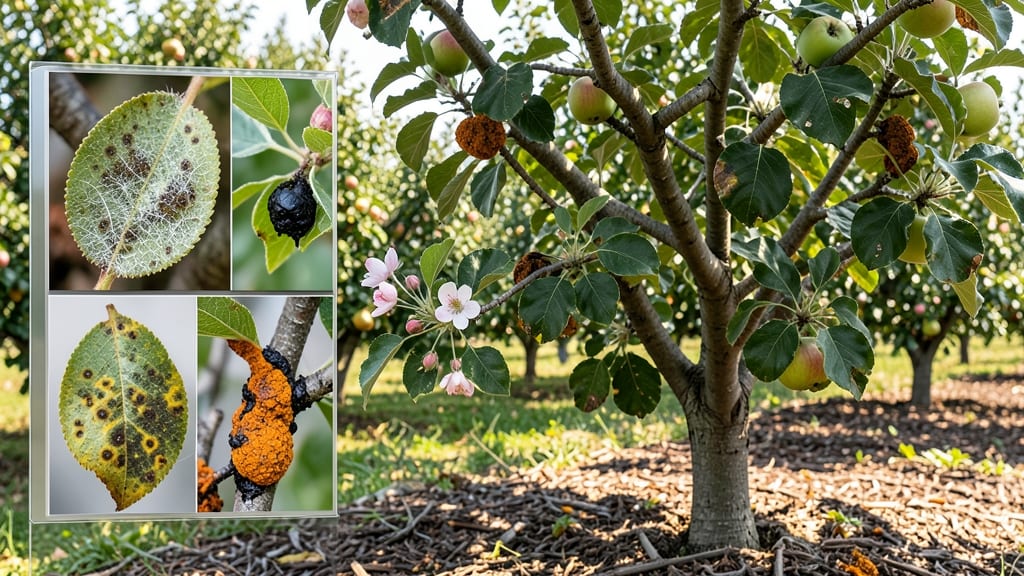
Spotting apple tree diseases with these photos can save your harvest—and I’ve seen firsthand how a single missed symptom turns a thriving orchard into a sad, spotted mess. 🍏 This visual guide breaks down the most common fungal blights, from apple scab’s velvety black spots to fire blight’s oozing cankers, with photos that show exactly what to watch for on leaves, fruit, and branches.
The good news? Most of these diseases thrive in damp conditions, so prevention is simpler than you’d think. I’ll show you how to recognize the early signs—before they ruin your crop—and what to do about them, whether you prefer organic sprays or targeted fungicides.
No more guessing whether those speckles are just weather damage or the start of something worse.
By the end, you’ll know how to treat infected branches, protect next year’s fruit, and keep your trees healthy for decades. The key is acting fast, and these photos make it impossible to ignore the warning signs.
Let’s get your trees back in top shape—before the next rain makes things worse.
Works for backyard orchards, community gardens, or even a single tree in your yard. Here’s how to spot, stop, and prevent the most destructive fungal diseases before they spread.
Root Causes Of Apple Tree Ailments
Apple trees, like any living organism, are vulnerable to diseases—but understanding why these issues arise is the first step to prevention. Fungal infections, bacterial attacks, and environmental stressors don’t strike randomly; they exploit weaknesses in your tree’s defenses.
Below, we break down the core reasons apple trees fall prey to diseases, from microscopic invaders to avoidable gardening mistakes.
Fungi are the #1 culprit behind apple tree diseases, thriving in moist, warm conditions. Here’s how they infiltrate your orchard:
- 🌧️ Overhead Watering or Poor Drainage
- Fungal spores (Venturia inaequalis, Podosphaera leucotricha) splash onto leaves and fruit during rain or irrigation.
- Actionable fix: Use drip irrigation or soaker hoses to keep foliage dry. Improve soil drainage with compost or raised beds.
- 🍎 Dense Canopy Traps Humidity
- Tightly packed branches create a microclimate where spores spread unchecked. Diseases like apple scab and powdery mildew flourish here.
- Actionable fix: Prune for air circulation (remove crossing branches) and thin fruit to reduce leaf wetness.
- 🌱 Old Debris Harbors Spores
- Fallen leaves, mummified fruit, and pruned wood left on the ground overwinter fungal spores, ready to reinfect next season.
- Actionable fix: Rake and remove all plant debris from under the tree by late fall.
Unlike fungi, bacteria (Erwinia amylovora, Pseudomonas syringae) enter through wounds or natural openings (like lenticels). They multiply rapidly in warm, wet weather:
- 🔪 Physical Damage Invites Entry
- Hail, bird pecks, or improper pruning create open wounds where bacteria like fire blight can seep in.
- Actionable fix: Use sterilized pruners and seal large cuts with pruning sealant.
- 🐝 Pollinators or Tools Carry Bacteria
- Bees and gardening tools can transfer pathogens from infected trees to healthy ones.
- Actionable fix: Disinfect tools with 70% rubbing alcohol between trees. Avoid pruning during bloom when bacteria spread easiest.
- 🌡️ Temperature Swings Trigger Outbreaks
- Fire blight thrives when days are warm (75–90°F) and nights drop below 50°F, stressing the tree.
- Actionable fix: Monitor weather forecasts and apply copper-based bactericides before blooms open.
Diseases exploit trees under stress. Common triggers include:
| Stressor | How It Helps Diseases | Solution |
|---|---|---|
| 💧 Over/Under Watering | Roots suffocate or dry out, reducing nutrient uptake. | Water deeply 1–2x/week (1–2 inches). |
| 🌱 Nutrient Deficiencies | Lack of zinc or boron weakens cell walls. | Test soil; amend with chelated micronutrients. |
| 🐛 Pest Damage | Sap-sucking insects (aphids, mites) create entry points. | Use horticultural oil or neem spray. |
| 🌞 Extreme Heat/Drought | Trees shut down defenses to conserve water. | Mulch with wood chips (3–4 inches). |
Even well-intentioned gardening can backfire. Common mistakes:
- 🍎 Planting Susceptible Varieties
- Some apple cultivars (e.g., McIntosh, Gala) are highly prone to scab and mildew.
- Fix: Choose resistant varieties like Liberty or Enterprise for your climate.
- 📅 Ignoring Disease Cycles
- Fungi like apple scab release spores before buds open—missing this window means infections go unchecked.
- Fix: Apply fungicides (e.g., copper or sulfur) at pink bud stage.
- 🌍 Poor Orchard Hygiene
- Sharing tools, buying infected nursery stock, or skipping sanitation spreads diseases like wildfire.
- Fix: Quarantine new trees for 2 weeks; sterilize tools between uses.
By addressing these root causes—fungal entry points, bacterial vectors, stress factors, and human habits—you’ll disrupt the cycle before diseases even appear. Think of it as preventive medicine for your apple tree’s immune system. 🌟
Quick Fixes for Apple Tree Ailments
Once you’ve identified the problem plaguing your apple tree, acting fast is key to saving its health—and your harvest! Below are practical, step-by-step solutions tailored to the most common fungal diseases, along with prevention tips to keep your orchard thriving.
Think of this as your emergency repair kit for apple trees!
**🔥 Cause: Venturia inaequalis (a fungus that thrives in wet, cool springs) 👨🍳 Fix It Now:*
- Prune Infected Branches
- Use
- 💡 Pro Tip: Bag and dispose of** (don’t compost!) pruned material—this fungus overwinters in debris!
- Apply Fungicide at the Right Time
- Best products: Copper fungicide (organic) or sulfur-based sprays (like Liqui-Cop or Dormant Oil).
- 📅 Timing: Spray before buds swell (late winter) and again in early spring (when petals appear). Repeat every 10–14 days during wet weather.
- Improve Airflow
- Thin out dense branches to reduce humidity near the canopy. Aim for 6–12 inches of space between limbs.
**🌡️ Prevent Future Outbreaks:
- Rake and remove fallen leaves in autumn (scab spores hitchhike on them!).
- Plant resistant varieties** like Liberty or Enterprise if scab is recurrent.
**🔥 Cause: Erwinia amylovora (a bacterial infection that oozes like melted candle wax) 👨🍳 Fix It Now:
- Prune Below the Infection
- Cut
- ⚠️ Warning: Sterilize tools between cuts to avoid spreading it!
- Douse with Bacterial Spray
- 📅 When: Apply before blooms open and after harvest to protect new growth.
- Disinfect the Wound
- After pruning, paint cuts with pruning sealant (or a mix of 1 part water + 1 part milk) to prevent re-infection.
**🌡️ Prevent Recurrence:
- Avoid overhead watering (bacteria spreads via splashing).
- Remove volunteer apple trees (they harbor the bacteria!).
- Plant blight-resistant varieties** like Prima or Akane.
**🔥 Cause: Gymnosporangium juniperi-virginianae (spores travel from cedar trees) 👨🍳 Fix It Now:
- Remove Rust Pustules
- Scrape off
- 💡 Pro Tip: Do this early in the season before spores spread.
- Spray with Fungicide
- 📅 Schedule: Apply before buds swell and again after petal fall.
- Treat Nearby Cedar Trees
- If you have juniper/cedar trees nearby, spray them with copper fungicide in late summer (when rust galls form).
**🌡️ Prevent It:
- Plant apple trees away from cedar/juniper (at least 100 feet if possible).
- Monitor cedars for rust galls (they’re the fungus’s winter home!).
🔥 Cause: Podosphaera leucotricha (loves hot, dry weather + poor airflow) 👨🍳 Fix It Now:
- Blast Off the Mildew
- 💡 Pro Tip: Use a nozzle with a fan tip to avoid damaging leaves.
- Apply Baking Soda Spray (Organic Fix!)
- Mix
- ✨ Bonus: Add 1 tsp hydrogen peroxide (3%) to boost fungicidal power.
- Boost Tree Health
- Mulch with wood chips (keep 3 inches away from the trunk).
**🌡️ Stop It Before It Starts:
- Prune for sunlight—thin out branches to reduce shade and humidity.
- Water at the base (never overhead) to keep leaves dry.
| Step | Action | When to Do It |
|---|---|---|
| 🔪 Prune Aggressively | Remove all diseased leaves/fruit; sterilize tools between cuts. | Fall & early spring |
| 💦 Deep Watering | Water deeply at the base (1–2 inches per week). Avoid wetting foliage. | Morning only |
| 🌿 Mulch Properly | Use 3–4 inches of organic mulch (wood chips, straw), not touching the trunk. | Spring & fall |
| 🛡️ Fungicide Rotation | Alternate between copper, sulfur, and neem oil to prevent resistance. | Before blooms & after harvest |
🎯 Final Pro Tip: Keep a disease journal! Note which issues pop up yearly and adjust your spray schedule accordingly. A healthy apple tree is a resilient one—with the right care, you’ll be back to crunchy, juicy apples** in no time! 🍏🌟
Frequently asked questions
How can I tell if the spots on my apple tree leaves are just weather damage or a disease?
Look for these key differences: disease spots are usually raised, velvety, or oily-looking (like apple scab) while weather spots are flat and dry. Check for patterns—fungal spots often appear on both upper and lower leaf surfaces, while sunburn only affects upper leaves. If spots spread rapidly or ooze, it's likely a bacterial infection like fire blight.
Can I use the same fungicide for all apple tree diseases?
No—different diseases need different treatments. Copper fungicides work for bacterial issues like fire blight, while sulfur-based sprays target fungal diseases such as powdery mildew. For apple scab, use a fungicide with chlorothalonil (like Daconil) or organic options like neem oil. Always rotate treatments to prevent resistance.
What's the best time of year to treat apple tree diseases?
Start treatments in late winter (before buds swell) and continue through early spring when spores are most active. For fungal diseases, apply fungicides at pink bud stage and repeat every 10-14 days during wet weather. Bacterial diseases like fire blight need pre-bloom sprays—aim for 2-3 weeks before flowers open.
Will pruning alone fix my apple tree's disease problems?
Pruning helps by removing infected branches, but it's only part of the solution. Always combine pruning with fungicide treatments and proper sanitation. Sterilize your pruners between cuts (wipe with rubbing alcohol) and dispose of infected material—never compost it! The key is acting fast before spores spread.
How do I know if my apple tree is beyond saving?
If 50%+ of branches show severe cankers, oozing wounds, or complete leaf drop, the tree may be too far gone. Look for new shoots at the base—if they appear healthy, the tree might recover. For bacterial infections like fire blight, removal is often the only option if the disease has spread to the trunk.