
Pruning
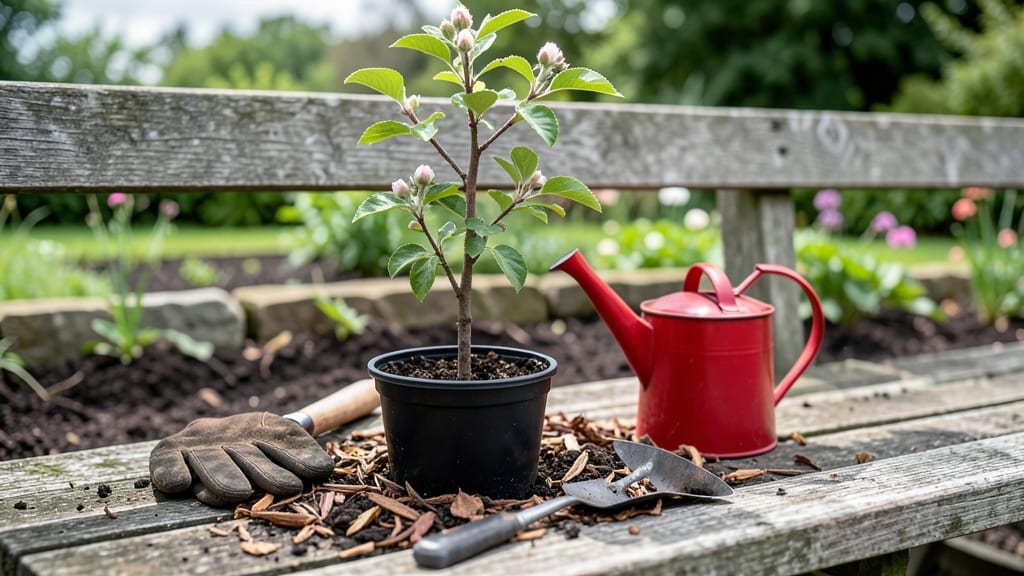
Caring for apple tree seedlings starts with one simple truth: pruning year-round isn't optional—it's the secret to roots that stretch deeper than your shovel. 🌱 I've watched seedlings wither when ignored, but those same trees thrive when given a little guidance at the right times.
The key is balancing growth above ground with strength below, so your tree stands tall against wind, pests, and the weight of future fruit. The first year is all about establishing roots, not branches. You'll need sharp pruners, a balanced organic fertilizer, and patience—more than you think.
Too much nitrogen now means weak wood later. Instead, focus on shaping the seedling into a sturdy frame by removing crowded branches and encouraging outward growth. Even a small seedling can handle three or four well-placed cuts if done correctly.
By winter's end, you'll see a tree that looks like it's been growing for years—not because it's older, but because its roots have had time to explore. The leaves stay vibrant, the trunk thickens, and you avoid the heartbreak of a top-heavy sapling snapping in a storm.
This isn't just about pruning; it's about teaching your tree to support itself from day one. Common mistakes? Over-pruning in spring or ignoring weak branches until they become problems. The solution is simple: check your seedling monthly, and never remove more than a quarter of its foliage at once.
With consistent care, you'll have a tree ready to bear fruit in just five to seven years—not the ten or more that impatient gardeners often face.
📚 In This Guide
- What you need
- Instructions
- Tips and common mistakes
- Wrapping up and next steps
What you need
- ● Apple tree seedling: A healthy, disease-free seedling (1-3 years old, ideally grafted for better fruit quality).
- ● Pruning shears: Bypass pruners (for clean cuts on small branches, 1/4" to 3/8" blade).
- ● Loppers (for thicker branches, up to 2" cutting capacity).
- ● Gloves: Heavy-duty gardening gloves (to protect against thorns and sap).
- ○ Pruning sealant: Wound dressing (optional but helpful for larger cuts, 1-2 oz bottle).
- ● Mulch: Organic mulch (wood chips, straw, or shredded bark, 2-3 inches deep).
- ● Watering can or hose: With a gentle spray nozzle for hydration.
- ● Fertilizer: Balanced fertilizer (e.g., 10-10-10 or 5-5-5, 1 lb per 100 sq ft).
- ● Slow-release granular fertilizer (for seasonal feeding).
- ● Staking system: (For young seedlings) 3-4 wooden stakes + soft tree ties to support growth.
- ● Root stimulator: Mycorrhizal fungi or rooting hormone (powder or gel) to boost root development.
- ● Soil tester kit: To check pH and nutrient levels (ideal range: 6.0-7.0).
- ● Tree spray: Organic fungicide or insecticide (e.g., neem oil) for pest/disease prevention.
- ● Shade cloth: Lightweight fabric to protect seedlings from harsh sun during extreme weather.
- ● Notebook/journal: To track pruning dates, growth milestones, and observations.
Step-by-Step guide to pruning young apple tree seedlings
Here's how I keep my seedlings sturdy and healthy—no fancy tools, just sharp pruners and a little patience.
🌱 Step 1: Prepare for Pruning in Early Spring
Start pruning when your seedling shows new growth after dormancy, usually in late winter or early spring. This is when the tree is just waking up but hasn't used much energy yet. I always wait until the buds swell slightly—that's your cue the tree is ready. Before you begin, wash your pruners with rubbing alcohol to kill any lingering bacteria or fungi from last season.
Examine the seedling's structure. Look for branches growing inward or crossing each other—these will compete for sunlight and nutrients. Also, check for any dead or damaged branches (they'll be brown, brittle, or missing bark). These need to come off immediately to prevent disease from spreading. Remember, you're shaping the tree's future, so take your time and don't rush.
✂️ Step 2: Remove Problem Branches First
Use your pruners to make clean cuts just above a bud or branch collar—the swollen area where the branch meets the trunk. Cut at a 45-degree angle if you're removing a branch larger than ¼ inch thick. For smaller branches, a straight cut works fine. The goal is to leave a smooth surface that heals quickly and doesn't collect water.
Focus on these priority branches first: water sprouts (thin, vertical shoots), dead wood, and branches growing toward the center of the tree. I like to step back every few cuts to visualize the tree's shape. You'll notice how opening up the center lets more light reach the lower branches—this encourages even growth throughout the tree.
☀️ Step 3: Shape the Tree for Balanced Growth
Now it's time to refine the tree's structure. Aim for a strong central leader (the main upward-growing branch) with well-spaced scaffold branches (the larger branches that form the tree's framework). These scaffold branches should be spaced about 12-18 inches apart vertically and 6-12 inches apart around the trunk.
If you have too many competing leaders, choose the strongest one and remove the others, cutting back to a bud that points in the direction you want growth to continue. For scaffold branches, prune back to a lateral bud that will encourage outward growth. This step might feel tricky at first, but think of it like training a young athlete—you're guiding their development for long-term success.
🌿 Step 4: Summer Pruning for Vigorous Growth
About 6-8 weeks after flowering (or when fruit sets), do a light pruning to remove any suckers (shoots growing from the base or roots) and any branches that are rubbing against each other. Summer pruning helps the tree direct energy toward fruit production rather than excessive vegetative growth. Use sharp pruners and make clean cuts to minimize damage.
This is also the time to thin out any crowded branches in the center of the tree. You'll see where branches are competing for space—these are the ones to remove. Leave the healthiest, most vigorous branches. Summer pruning might seem counterintuitive because it's when the tree is most active, but it's crucial for maintaining the tree's health and productivity.
⏰ Step 5: Fall Cleanup and Winter Preparation
In late fall, after the leaves have dropped but before the first hard frost, do a final pruning to remove any dead, diseased, or weak branches. This cleanup helps prevent pests and diseases from overwintering in the tree. Also, remove any branches that are growing too close together—this opens up the tree and improves air circulation.
After pruning, apply a thin layer of mulch around the base of the tree (but keep it 3-4 inches away from the trunk to prevent rot). This helps protect the roots during winter. I also like to spray the pruning cuts with a fungicide to prevent infection. Your goal is to send the tree into winter in the best possible shape—strong, healthy, and ready to burst into growth next spring.
Tips & tricks for pruning young apple tree seedlings
Between us, these small details make all the difference in raising a strong, productive apple tree.
Tool Preparation: Always sterilize your pruners between cuts in Step 1—especially when dealing with diseased branches. I use a 1:9 ratio of bleach to water for quick disinfection, or keep rubbing alcohol handy. Clean tools prevent spreading infections that could weaken your entire tree. This is particularly important if you've pruned other plants or trees recently.
Visualizing the Tree's Future: In Step 3, when shaping your seedling, imagine how the tree will look in 5 years. The central leader should be the strongest vertical branch—if you're unsure which one to keep, choose the one growing most directly upward. For scaffold branches, aim for an open vase shape that lets sunlight reach all parts of the tree. This open structure prevents future problems with crowded branches.
Seasonal Timing Secret: The 6-8 week window after flowering in Step 4 is your best opportunity for summer pruning. Look for new suckers growing from the base or roots—these compete with your main branches for nutrients. Remove them completely at the base, as they won't regrow from the same spot. This redirects the tree's energy toward fruit production rather than excessive leaf growth.
Winter Protection: When applying mulch in Step 5, keep it 3-4 inches away from the trunk to prevent rot. I use straw mulch because it breaks down slowly and improves soil structure over time. For extra protection in harsh winters, wrap the trunk with tree wrap or burlap to prevent sunscald damage that can occur when winter sun hits frozen bark.
Pro Tips for Apple Tree Seedling Care
- Between us, these small details make all the difference in raising a strong, productive apple tree.
- Tool Preparation: Always sterilize your pruners between cuts in Step 1—especially when dealing with diseased branches.
- Visualizing the Tree's Future: In Step 3, when shaping your seedling, imagine how the tree will look in 5 years.
Frequently asked questions
How long does it take for an apple tree seedling to grow from seed?
A seedling grown from seed may take 5-10 years to bear fruit, as it requires patience for the tree to mature. Grafted seedlings (common in nurseries) can fruit in 3-5 years. For faster results, consider buying a grafted apple tree instead of growing from seed!
When is the best time to prune an apple tree seedling?
Prune your seedling during dormancy—late winter or early spring (before buds swell) is ideal. Avoid heavy pruning in fall, as wounds may not heal before winter. Light shaping in summer can encourage bushier growth, but focus on major cuts in dormant seasons.
What if my seedling’s leaves turn yellow or drop? Is it dying?
Yellow leaves or leaf drop can signal overwatering, underwatering, pests, or nutrient deficiencies. Check soil moisture (keep it evenly moist but not soggy) and inspect for aphids or mites. Adjust care and monitor—seedlings often recover quickly with proper adjustments!
Can I grow an apple tree from a store-bought apple seed?
Yes! But the fruit may not match the parent apple’s variety. Seeds from hybrid apples (like grocery-store varieties) often produce wild, unpredictable trees. For consistent results, buy a grafted seedling from a nursery. Save seeds only if you’re okay with surprises!
How cold can a young apple tree seedling tolerate?
Most apple seedlings handle down to -15°F (-26°C) once established, but young trees (under 2 years) need protection in harsh winters. Use mulch (straw or wood chips) around the base and wrap the trunk with burlap for extra insulation. Avoid pruning late in the season to reduce stress.
Wrapping up and next steps
Caring for your apple tree seedling is a rewarding journey that sets the stage for a thriving, fruit-bearing tree!
By mastering year-round pruning and nurturing strong root growth, you’re giving your young tree the best start possible. Stay consistent, observe its progress, and soon you’ll be harvesting fresh apples straight from your own backyard!
Ready to take the next step? Monitor your tree’s growth closely—adjust pruning techniques as it matures, and consider consulting local gardening experts for tailored advice. Happy growing! 🌱🍏