
Pruning
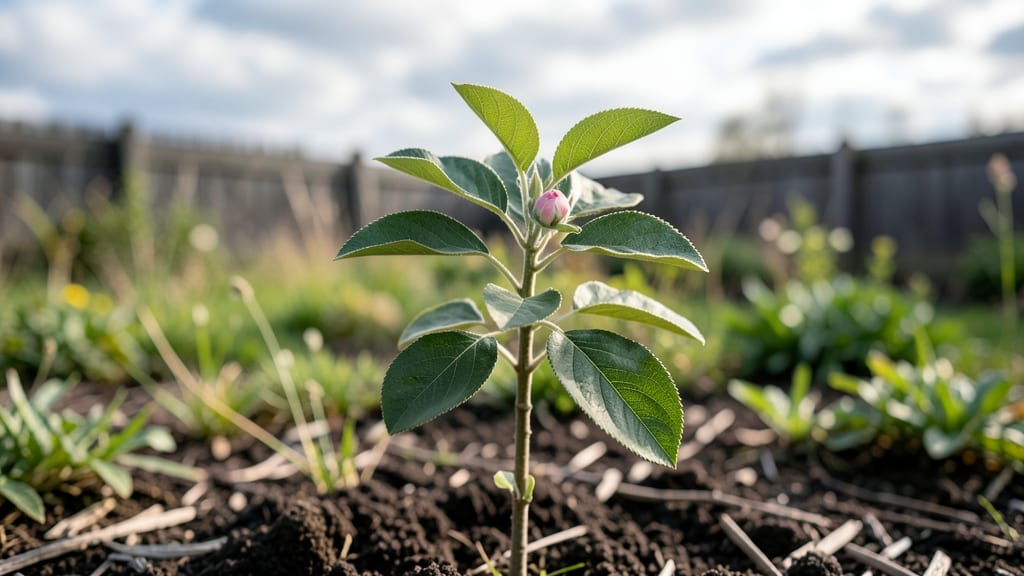
The identification of an apple tree seedling starts with those serrated leaves that look like tiny, jagged teeth. 🌱 I’ve spent years sorting through seedlings, and the first clue is always the leaf shape—roundish with pointed tips and those distinctive serrations.
But here’s the catch: not every seedling with those leaves will grow into a fruit-bearing tree, which is why bark texture and branching patterns matter just as much. The bark of young apple seedlings is smooth and silvery-gray, often with a slight reddish tint when exposed to sun.
Look for buds arranged alternately along the branches (not in pairs like hawthorn) and a slightly zigzag growth pattern. These details separate apple seedlings from lookalikes like crabapples or mountain ash, which have different leaf shapes and bark textures.
Once you’ve confirmed those key features, you’ll want to cross-reference with a plant ID app or field guide to rule out similar trees. The good news?
Even if it’s not a fruit-bearing variety, knowing exactly what you’re growing helps you decide whether to nurture it or transplant it elsewhere in your yard. This method works for seedlings found in your yard, purchased from nurseries, or even wildlings popping up unexpectedly.
Grab a magnifying glass and a notebook—you’ll spot the differences in no time.
Root Causes Of Misidentification
When you’re staring at a young apple tree seedling and scratching your head, the confusion often stems from a mix of natural variability and human factors. Understanding these causes can help you spot the clues more accurately—and avoid costly mistakes.
Here’s why identification can go sideways, and what’s really happening in the field.
Seedlings, especially those from Malus domestica (the common apple tree), don’t always look like their mature counterparts. Their leaves, bark, and branches can resemble other fruit trees or even wild crabapples until they’ve had years to develop.
- Leaf shape shifts: Young apple seedlings often have serrated (saw-toothed) edges like crabapples, but their leaves may be smaller, rounder, or less lobed than adult apple varieties. Studies show that juvenile leaves can mimic those of Crataegus (hawthorn) or Sorbus (mountain ash) trees.
- Bark confusion: Thin, smooth bark on seedlings is nearly identical to that of pear or plum trees. Only as the tree ages does the distinctive furrowed, scaly bark of mature apples emerge.
- Branch angles deceive: Apple seedlings often have upright, vase-shaped growth early on, similar to cherries or plums. Their spurs (short fruit-bearing branches) don’t develop until the tree is 3–5 years old.
Pro Tip: 💡 Compare with known samples. If you’re unsure, dig up a seedling and plant it nearby a mature apple tree. Observe how its growth patterns align over 1–2 seasons.
Not all apple seeds grow into true-to-type trees. If your seedling came from a store-bought apple (like a Granny Smith or Fuji), it’s likely a chance seedling—meaning its traits are unpredictable. This genetic roulette explains why some seedlings look nothing like their parent tree.
- Hybrid vigor vs. weak traits: Some seedlings inherit disease resistance from wild ancestors (like Malus sieversii) but may lack the sweet, juicy fruit of cultivated varieties. Their leaves might be darker, glossier, or more disease-prone.
- Pollination surprises: If the seed came from an open-pollinated apple (e.g., one near a crabapple or wild apple), the seedling could be a hybrid with traits from both parents. This is why some seedlings have wild-looking flowers or bitter, inedible fruit.
- Rootstock influence: If the seedling was grafted (even accidentally), its scion wood (the top part) might look like an apple, while the rootstock (bottom) could be from a different species, like Malus prunifolia (Chinese crabapple).
Pro Tip: 🔥 Trace the seed’s origin. If you grew it from a named variety (e.g., "Honeycrisp"), expect 50% chance of it being true to type. For wild or hybrid apples, assume variability.
Drought, poor soil, or pests can distort a seedling’s natural features, making it look like a different species. For example, a nutrient-deficient apple seedling might develop yellowed, curled leaves similar to those of a black cherry (Prunus serotina).
- Nutrient deficiencies:
- Nitrogen (N) deficiency: Leaves turn yellow between veins (chlorosis), resembling pear seedlings under stress.
- Iron (Fe) deficiency: Young leaves stay yellow while veins stay green—a trait also seen in plum trees.
- Potassium (K) deficiency: Leaf edges brown and crisp, mimicking disease damage in other fruit trees.
- Pest and disease damage:
- Apple scab (Venturia inaequalis): Causes dark, velvety spots on leaves, similar to powdery mildew on peaches.
- Fire blight (Erwinia amylovora): Blackened, oozing branches can make a seedling look dead—until new growth emerges.
- Sunlight exposure: Seedlings grown in full shade may develop long, leggy stems with small leaves, resembling dogwood (Cornus) saplings.
Pro Tip: 🌡️ Monitor growth conditions. If your seedling is struggling, amend the soil with compost and ensure it gets 6–8 hours of sunlight. Healthy growth will reveal its true form.
Even experienced gardeners misidentify seedlings because they focus on the wrong features—or overlook key details. Common pitfalls include:
- Ignoring flower structure: Apple blossoms have 5 petals and pink/white color, while crabapples often have more petals and deeper red hues. Many skip this step and guess based on leaves alone.
- Over-relying on leaf veins: Apple leaves typically have prominent, curved secondary veins, but young leaves can appear simpler, like those of a hawthorn.
- Not checking the root system: Apple seedlings have fibrous, shallow roots, while grafted trees (like commercial varieties) may show a swollen graft union near the base.
Pro Tip: 🎯 Use a checklist. Before concluding, verify:
- ✅ Leaf shape (serrated edges, rounded lobes)
- ✅ Bark texture (smooth vs. developing ridges)
- ✅ Branch angle (upright vs. spreading)
- ✅ Flower/fruit traits (if present)
Fixing Common Apple Tree Seedling Struggles
Now that you’ve identified your apple tree seedling, the next step is ensuring it thrives. Whether you’re dealing with slow growth, disease, or misidentification, these practical solutions will help you turn problems into progress. Below, we’ve mapped common issues to actionable fixes—plus prevention tips to keep your seedling healthy long-term.
Cause: Poor soil, overcrowding, or nutrient deficiency. Fix It:
- 🔥 Test Your Soil First – Use a DIY soil test kit (available at garden centers) to check pH (ideal: 6.0–7.0 for apples) and nutrient levels. Amend with compost or a balanced fertilizer (10-10-10) if needed.
- 👨🍳 Loosen the Roots – If planted too deep, gently expose the root collar (where roots meet the stem) and replant at the correct depth (just above soil level).
- 🌿 Thin Out Competition – Remove weeds or nearby plants within 3 feet of the seedling to reduce competition for water and nutrients.
- 💡 Pro Tip: Water deeply once a week (1–2 inches) rather than daily shallow watering. Mulch with wood chips to retain moisture and regulate soil temperature.
Prevent It: ✔ Plant in well-draining soil with organic matter. ✔ Choose a sunny spot (6+ hours of sunlight daily). ✔ Avoid over-fertilizing—too much nitrogen can stunt root growth.
Cause: Fungal infections (like apple scab), aphids, or spider mites. Fix It:
- 🍳 Spot-Treat Fungal Issues –
- Apple scab? Prune infected leaves and apply copper fungicide (follow label rates) every 10–14 days during wet seasons.
- Powdery mildew? Spray with neem oil or baking soda solution (1 tbsp baking soda + 1 quart water + a drop of dish soap).
- 🕷️ Combat Pests Naturally –
- Aphids? Blast them off with a strong spray of water or introduce ladybugs (natural predators).
- Spider mites? Wipe leaves with soapy water (1 tsp mild soap per quart of water) and increase humidity with a nearby water tray.
- 🔪 Prune Strategically – Remove all heavily infested branches (sterilize pruners with rubbing alcohol between cuts).
Prevent It: ✔ Space plants 15–20 feet apart to improve airflow. ✔ Clean up fallen leaves in autumn to reduce fungal spores. ✔ Inspect weekly for early signs of pests or disease.
Cause: You planted a seedling that’s not a true apple variety (e.g., a crabapple or wild apple). Fix It:
- 📊 Confirm the Variety – Check leaf shape, fruit type (if any), and bark texture. Compare with a local apple tree guide or consult your cooperative extension service.
- 🌱 Replace If Needed – If it’s not a desirable apple, dig it out carefully (avoid damaging roots) and plant a grafted apple tree (more reliable for fruit production).
- 💡 Pro Tip: If you’re unsure, save seeds from a known apple variety for future planting (though note: seed-grown apples may not match the parent tree).
Prevent It: ✔ Buy grafted trees from reputable nurseries for guaranteed varieties. ✔ Label seedlings if growing from seed to track progress. ✔ Cross-reference with multiple sources before committing to a seedling.
Cause: Frost, drought, or heat stress. Fix It: - 🥶 Shield from Frost – Cover young seedlings with frost cloth or a lightweight blanket during cold snaps.
Avoid plastic, which can trap moisture and cause rot. - 💦 Hydrate in Heat – Water early in the morning to reduce evaporation. Use drip irrigation to keep roots cool. - 🌿 Provide Windbreaks – Plant near a hedge or fence or use burlap screens to shield from harsh winds.
Prevent It: ✔ Plant in spring (after last frost) or early autumn. ✔ Mulch heavily (3–4 inches) to insulate roots. ✔ Monitor weather forecasts and act fast during sudden temperature drops.
Once your seedling is healthy, maintain its vigor with these ongoing habits:
- 📅 Prune in Late Winter – Remove dead, crossing, or weak branches to encourage strong growth.
- 🍏 Pollinate for Fruit – Plant a second apple variety nearby (many apples need cross-pollination).
- 🔄 Rotate Practices – Alternate organic and chemical treatments (if needed) to prevent pest resistance.
Remember: Patience is key—apple trees can take 3–5 years to bear fruit, but with the right care, your seedling will grow into a fruitful, shade-providing giant. 🍏✨
Frequently asked questions
How can I tell if my seedling will produce edible apples?
True apple tree seedlings (Malus domestica) have a 50-70% chance of producing edible fruit, but only if grown from seeds of a named variety. Look for round, serrated leaves and alternate branching—these are key traits. However, most seed-grown apples are chance seedlings with unpredictable fruit quality. For guaranteed edible apples, plant grafted trees from nurseries.
What are the most common lookalikes for apple seedlings?
Crabapples (Malus spp.), hawthorns (Crataegus), and mountain ash (Sorbus) are frequent impostors. Crabapples have more petals in flowers and smaller, tart fruit, while hawthorns have thorns and deeply lobed leaves. Mountain ash leaves are compound (multiple leaflets), unlike apple's single leaf structure.
Can I use a smartphone app to confirm my seedling's identity?
Yes! Apps like PictureThis or PlantNet work well for seedlings by comparing leaf shape, bark texture, and branching patterns. For best results, take clear photos of leaves, buds, and bark in natural light. Remember: young trees may not match mature entries, so focus on juvenile traits like smooth bark and small serrated leaves.
How long does it take for an apple seedling to show definitive identification traits?
Most distinguishing features appear within 1-2 growing seasons. By age 2-3, you'll see flower buds (if it's a true apple) and more mature leaf shapes. Bark texture becomes more reliable at 3-5 years. If you're impatient, compare growth patterns with known apple varieties in your area.
What should I do if my seedling might be a crabapple instead?
Crabapples are hardier and often more ornamental, but their fruit is usually small and tart. If you suspect this, check for thorns (common in crabapples) and multiple flower petals (often 5+). For edible fruit, remove the seedling and replace with a grafted apple variety. Crabapples make excellent landscape trees but won't produce marketable apples.