
Pruning
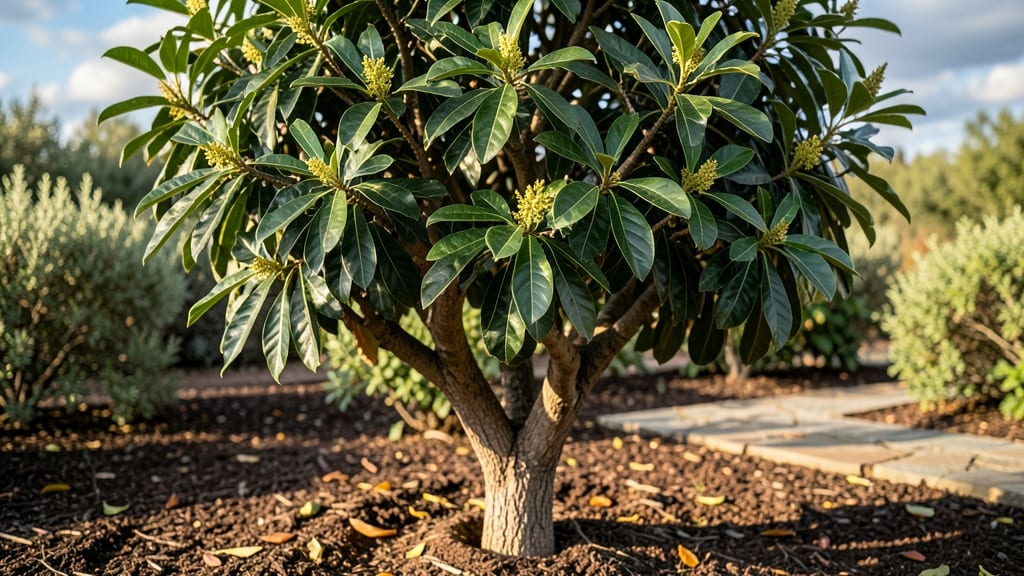
Avocado tree sunlight is the single most critical factor for fruit production—too little stunts growth, while too much scorches leaves, and most gardeners guess wrong.
Picture this: Your 🥑 tree sits in a sunny spot, but the leaves yellow by summer, or worse, the fruit never ripens. The problem? Most guides oversimplify sunlight needs, treating all avocado trees the same—when hours, intensity, and season matter just as much as placement.
Here’s the truth: A healthy avocado tree needs 6 to 8 hours of direct sunlight daily, but the exact balance shifts with your climate, tree age, and even the time of year.
I’ll break down the ideal exposure, how to spot sunlight stress (like leaf burn or stunted growth), and simple fixes for indoor vs. outdoor trees.
By the end, you’ll know exactly how to position your tree—whether in a 6a zone garden or a container by a south-facing window—to maximize fruit without frying the leaves.


How many hours of sunlight does an avocado tree need daily?
Avocado trees (Persea americana) thrive in full sun exposure, but the exact sunlight hours depend on your climate zone and the tree's growth stage.
While most varieties need 6–8 hours of direct sunlight daily, tropical climates may require even more to prevent flower drop or poor fruit set. Understanding these requirements ensures your tree grows strong and produces high-quality avocados.
Sunlight isn’t just about duration—it’s also about light intensity. Avocados need bright, direct sunlight, especially during their flowering and fruiting phases.
In cooler climates, like USDA Zone 9 or 10, morning sun paired with afternoon shade can prevent leaf scorch while still meeting the tree’s energy needs. Let’s break down the science and practical tips for optimizing sunlight for your avocado tree.
| Factor | Requirement | Notes |
|---|---|---|
| Daily Sunlight | 6–8 hours (minimum) | Tropical zones: up to 10+ hours; cooler zones: 6–7 hours |
| Light Intensity | Full sun (direct rays) | Partial shade tolerated only in extreme heat (e.g., desert afternoons) |
| Young Trees (0–3 years) | 5–6 hours (gradually increase) | Avoid sudden full sun to prevent sunburn on tender leaves |
| Mature Trees (3+ years) | 8+ hours (for fruiting) | Critical for flowering and fruit development |
| Seasonal Adjustments | Flexible shading in summer | Use shade cloth (30–50%) for afternoon protection in hot climates |
Your avocado tree’s latitude plays a huge role in sunlight needs. Trees in southern California or Florida (warmer climates) can handle 10+ hours of sun with afternoon shade, while those in Arizona or Texas may need protection from intense midday heat.
If you’re in a cooler zone (e.g., Zone 8 or below), prioritize south-facing exposure to maximize sunlight during shorter winter days.
Age matters too—young avocado trees (under 3 years old) are more sensitive to direct sunlight and may suffer leaf burn if exposed to full sun too soon. Start with morning sun only and gradually introduce afternoon light over 4–6 weeks.
This hardening-off process mimics natural conditions and reduces stress on the tree’s delicate foliage.
Seasonal changes also demand adjustments. During summer months, avocado trees in hot climates (like Zone 10+) may benefit from dappled shade between 12 PM and 4 PM to prevent heat stress.
In contrast, winter sunlight is less intense, so trees can tolerate full sun exposure without risk. Pay attention to leaf color—yellowing or crispy edges signal sunburn or insufficient light.
If you’re growing an avocado tree in a container, sunlight needs remain the same, but positioning becomes critical. Move pots to sunnier spots as the seasons change, or use a rotating stand to ensure even light exposure.
Containers also dry out faster, so pair your sunlight strategy with consistent watering to avoid root stress.
One common mistake is assuming more sun is always better. While avocado trees love light, excessive heat can stunt growth or cause flower drop. Balance is key—aim for bright, indirect light in peak afternoon hours if your climate is extremely hot.
For example, in Phoenix or Miami, 30% shade cloth can make a world of difference during summer.
To test if your avocado tree is getting enough sunlight, observe its growth patterns. Healthy trees have dark green, glossy leaves and steady flowering. If leaves turn yellow or pale, it’s likely light-deficient.
Conversely, brown, crispy edges or drooping leaves indicate too much sun. Adjust your tree’s position or use shade solutions to find the perfect balance.
Pro tip: Use a light meter (or a free app like Sun Surveyor) to measure lux levels near your tree. Ideal sunlight for avocados falls between 10,000–20,000 lux during peak hours.
If readings are below 5,000 lux, consider relocating your tree or supplementing with a grow light for indoor varieties.
🌱
Signs your avocado tree isn’t getting enough (or too much) sunlight
Your avocado tree’s leaves tell a story—one that often reveals whether it’s basking in just the right sunlight or struggling under too much or too little. Yellowing leaves, leaf burn, or stunted growth are all red flags that your tree’s sunlight balance is off.
Even experienced gardeners sometimes misjudge placement, especially when moving trees between indoor and outdoor spaces or adjusting for seasonal changes.
For example, I once had a young avocado tree in a container on my patio that suddenly developed crispy, brown edges on its leaves. After investigating, I realized it was getting intense afternoon sun without enough morning shade—a classic case of sunburn.
The fix? Moving it slightly east and adding a light shade cloth during peak hours. The difference was immediate!
⚠️ Sunlight Stress Warning Signs
Too Little Sun: Pale, yellow leaves (chlorosis), long, leggy stems, and few to no flowers/fruit. Your tree is stretching toward light but not getting enough energy for growth.
Too Much Sun: Brown, crispy leaf edges, wilting, and premature leaf drop. The tree is overheating, and its cells are burning from excessive UV exposure.
Action Step: Check your tree’s current sunlight hours using a sunlight tracker app or observe its shadow patterns. Adjust placement or add shade gradually to avoid shocking the tree.
One of the most common mistakes I see is overpruning young avocado trees to "protect" them from sun. While pruning can help manage shape, removing too many leaves reduces the tree’s ability to photosynthesize—especially if it’s already struggling with low light conditions.
If your tree looks sparse after pruning, avoid heavy cuts for at least 6–8 weeks to let it recover.
Poor flowering or no fruit production is another clear sign of sunlight issues. Avocado trees need consistent sunlight exposure to trigger flowering. If your tree is mature but not fruiting, check if it’s getting at least 6 hours of direct sun daily.
In shady microclimates, consider transplanting to a sunnier spot or supplementing with grow lights during winter months when daylight is shorter.
Don’t overlook the soil and water interaction with sunlight. Trees in full sun dry out faster, so they need deep, infrequent watering to encourage strong root growth. If your tree is wilting despite regular watering, it might be sun-stressed—a sign it’s getting too much heat without enough moisture.
Water deeply in the early morning to give roots time to absorb moisture before the sun peaks.
For container-grown avocado trees, rotate the pot every few weeks to ensure even sunlight exposure on all sides. I’ve seen trees develop uneven growth where one side is lush and green, while the other is pale and weak—a classic sign of one-sided sunlight.
If you notice this, move the pot to a different orientation or use a reflective surface (like a white wall) to bounce light to the shaded side.