
Trees
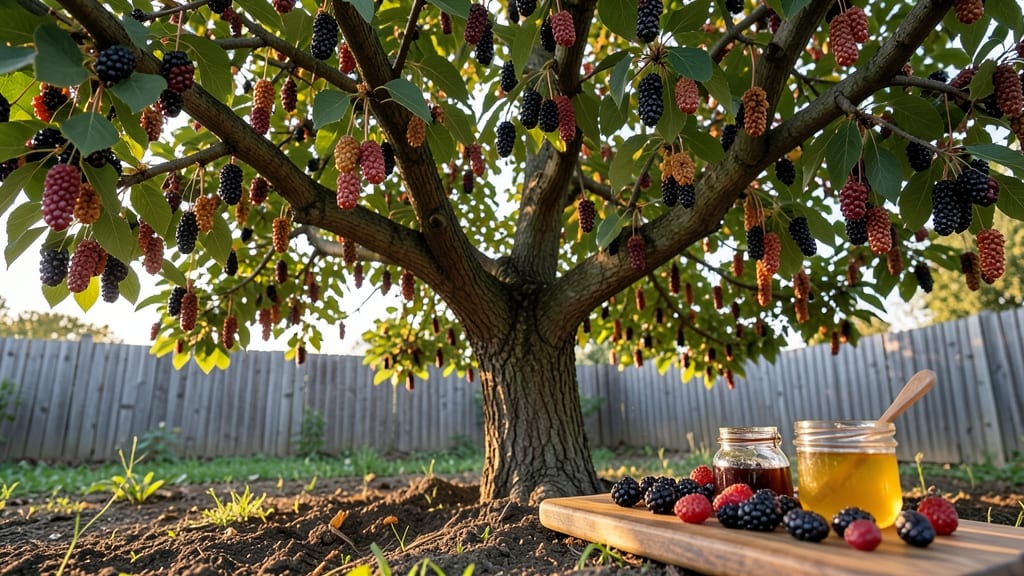
Want a mulberry tree that grows fast, produces abundant fruit, and thrives in your climate? These 10 high-yield varieties deliver sweet berries, disease resistance, and adaptability—whether you’re a backyard gardener or a commercial grower.
Illinois Everbearing Mulberry Tree
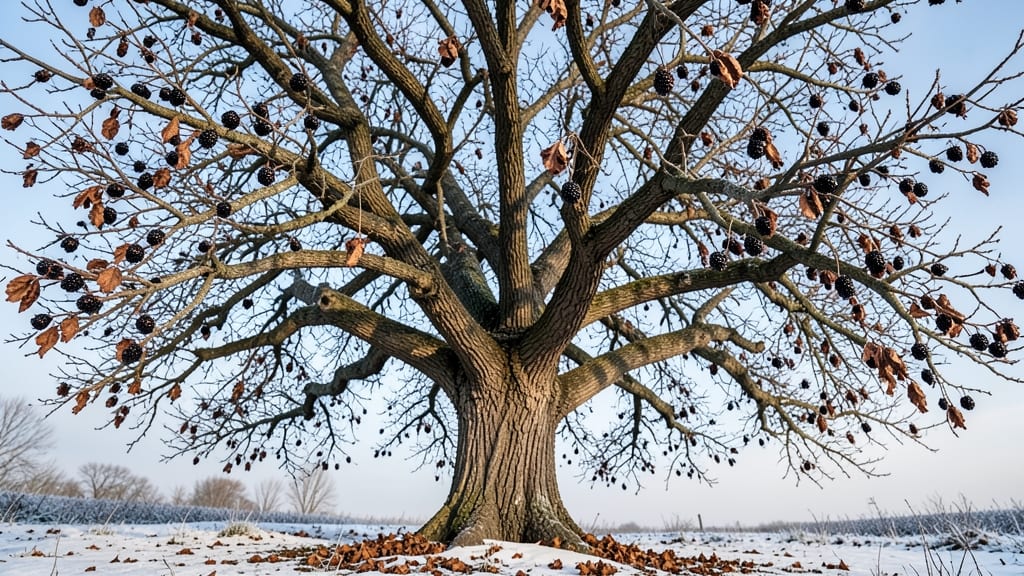
If you live in zones 4-8 and want a mulberry tree that defies cold snaps while delivering two fruit harvests per year, the Illinois Everbearing Mulberry is your game-changer. Unlike finicky varieties that struggle in northern climates, this hardy tree thrives even when temperatures dip below zero—making it the ultimate choice for gardeners in Minnesota, Wisconsin, or the Northeast.
This cold-resistant cultivar produces dark purple-black berries in early summer and again in late summer, giving you a longer harvest window than traditional mulberries. It’s equally adaptable to various soil types and requires minimal pruning—just remove dead branches in late winter. For best results, plant in full sun and water deeply during establishment, but once mature, it handles drought surprisingly well.
Perfect for homesteaders, wildlife enthusiasts, or anyone tired of mulberries that fail to fruit in colder regions, this tree delivers reliable yields with almost no fuss. 🌟
Allee Mulberry Tree
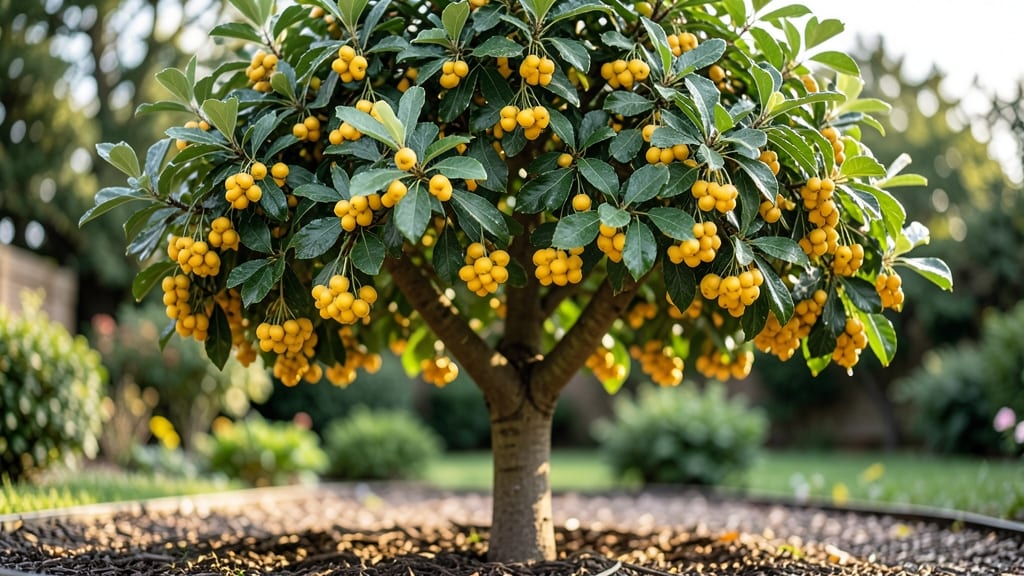
If you love the idea of a mulberry tree but lack the space for a sprawling giant, the Allee Mulberry Tree is your European-inspired solution. This compact powerhouse produces golden-yellow berries that are sweeter and more flavorful than many traditional varieties, making it a standout for small gardens and urban homesteads.
What sets this tree apart is its self-pollinating nature, meaning you only need one tree to enjoy a bountiful harvest. It thrives in zones 5-9 and reaches a manageable 15-20 feet tall, perfect for tight spaces. The berries ripen in late summer, offering a unique golden hue that adds visual appeal to your garden.
This variety is ideal for gardeners who want a low-maintenance, high-reward tree without the mess of traditional mulberries. 🌻
Texas Everbearing Mulberry Tree
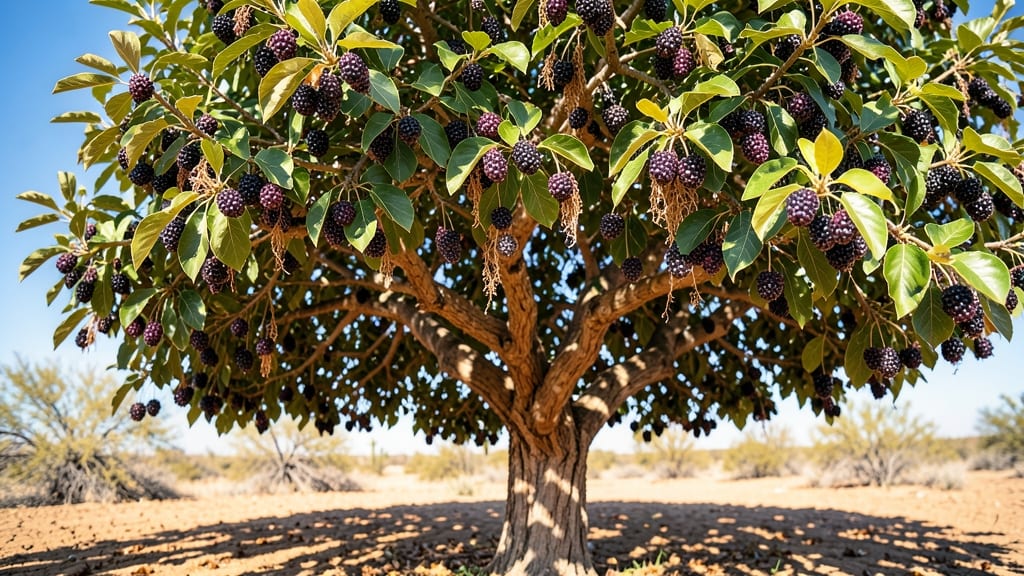
If you live in the southwest and dream of a fruit tree that thrives despite the heat, the Texas Everbearing Mulberry is your answer. Unlike traditional mulberries that struggle in extreme heat, this variety produces year-round fruit with minimal water once established—making it a standout for drought-prone urban areas.
This hardy tree thrives in full sun (6+ hours daily) and tolerates poor, rocky soil, which is ideal for urban landscapes where space and soil quality are limited. The bright red berries ripen in waves, offering fresh fruit from spring through fall, with some lingering into winter. Prune aggressively in late winter to control size and encourage dense, productive branches.
Perfect for city dwellers, homesteaders, or commercial growers in zones 7-10, this mulberry delivers low-maintenance abundance without sacrificing flavor or resilience. 🌻
Black Beauty Mulberry Tree
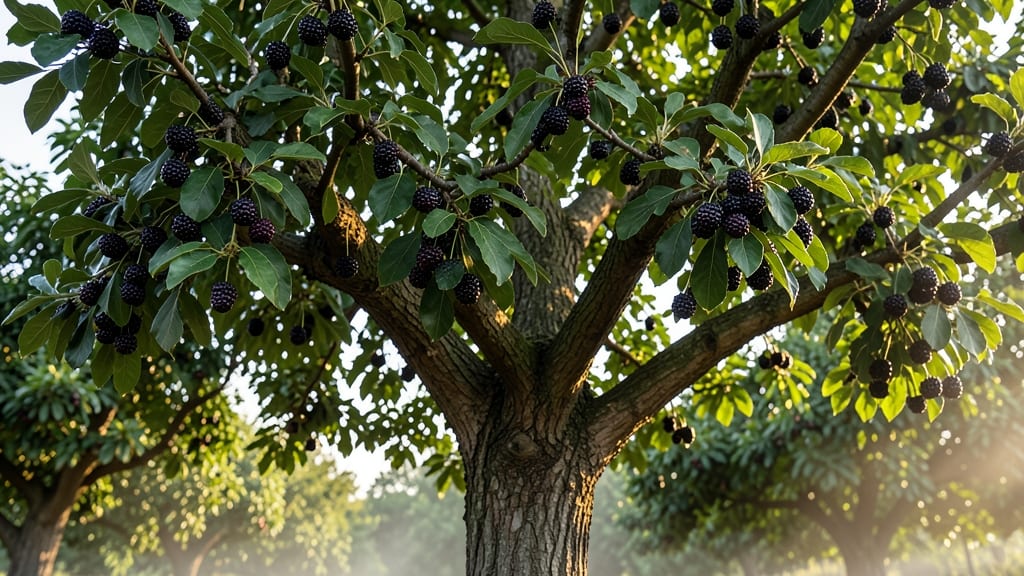
If you're looking for a mulberry tree that delivers commercial-grade fruit without the fuss, the Black Beauty Mulberry Tree is the gold standard. Known for its dark, rich berries with an exceptionally high sugar content, this variety is a favorite among growers who prioritize both quantity and quality.
This fast-growing tree thrives in zones 6-10 and adapts effortlessly to various soil types, from clay to sandy loam. Its dramatic black fruit ripens in late summer, offering a sweet, almost jam-like flavor that’s perfect for fresh eating, jams, or selling at farmers' markets. With minimal care—just full sun and occasional pruning—you’ll enjoy a bountiful harvest year after year.
Perfect for commercial growers or serious backyard fruit enthusiasts, the Black Beauty delivers high yields with minimal effort. 🌟
Red Mulberry Tree
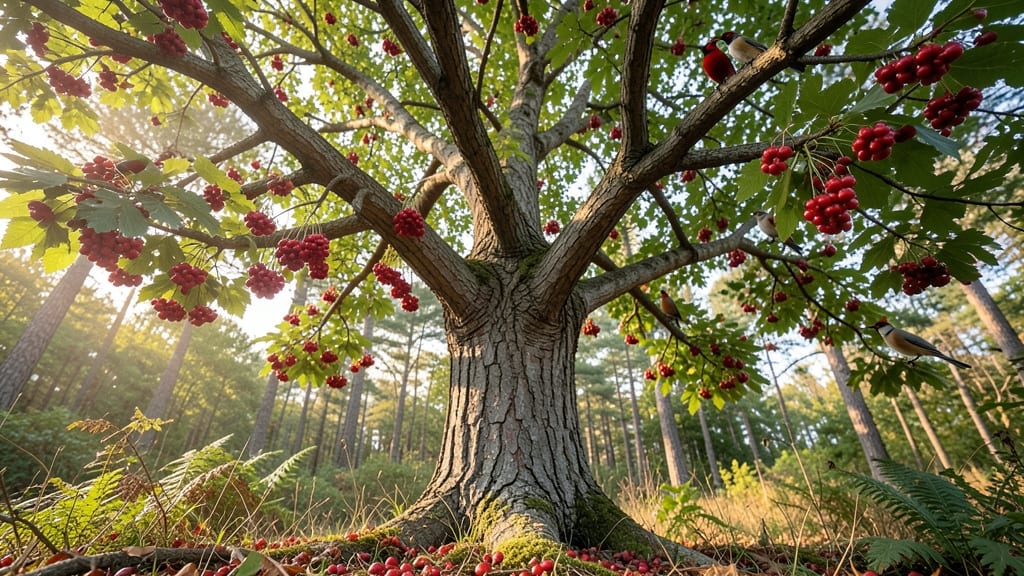
If you're drawn to native plants that support local wildlife while requiring minimal care, the Red Mulberry Tree (Morus rubra) is a standout choice. This historic favorite of Native American tribes produces vibrant red berries that birds and mammals adore, making it a natural wildlife magnet.
Unlike faster-growing varieties, this tree matures slowly but rewards you with disease resistance and adaptability to zones 5-9. It thrives in well-drained soil with full sun to partial shade, and its striking bark and foliage add year-round interest. The berries ripen in late summer, offering a sweet-tart flavor perfect for fresh eating or jams.
Perfect for those who value ecological benefits over rapid growth, this tree is ideal for wildlife gardens, forest edges, or as a specimen plant. Its low-maintenance nature makes it a great choice for busy gardeners. 🌟
Golden Rainfall Mulberry Tree
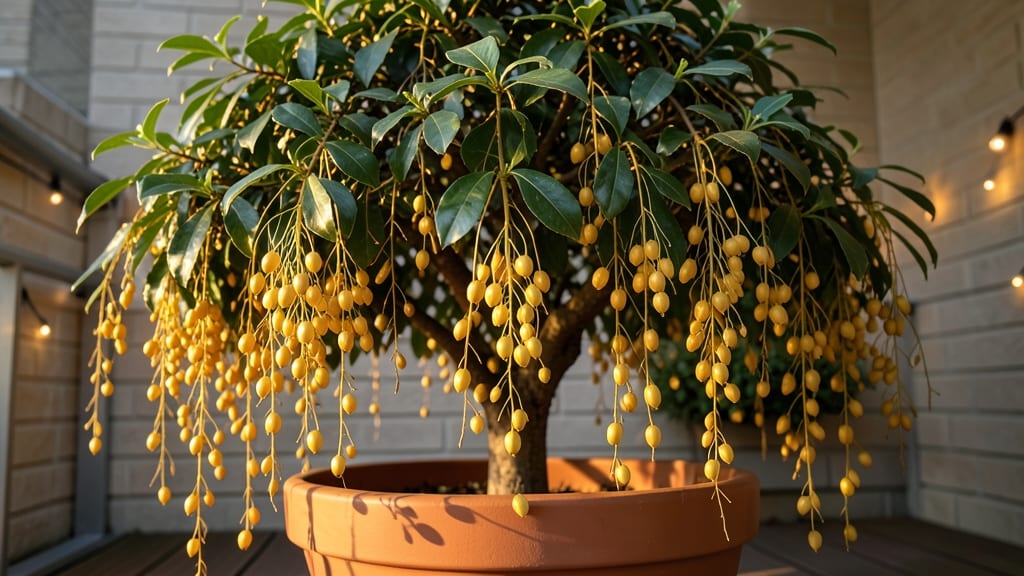
Transform your balcony or patio into a fruit-bearing oasis with the Golden Rainfall Mulberry Tree, a dwarf variety that spills golden-yellow berries like a cascading waterfall. Unlike its larger cousins, this compact tree thrives in containers and brings the joy of harvest to urban spaces where ground planting isn’t an option.
Reaching just 6-8 feet tall, this tree produces an abundant harvest of sweet, golden berries perfect for fresh eating or jams. Plant it in a 15-20 gallon container with well-draining soil and place it in full sun (6+ hours daily) for maximum fruit production. Prune lightly after harvest to encourage bushier growth and prevent overcrowding in small spaces.
Ideal for balcony gardeners, small-space homesteaders, and city dwellers, this variety brings the rewards of fruit growing without the commitment of a full-sized tree. 🌻
White Mulberry Tree
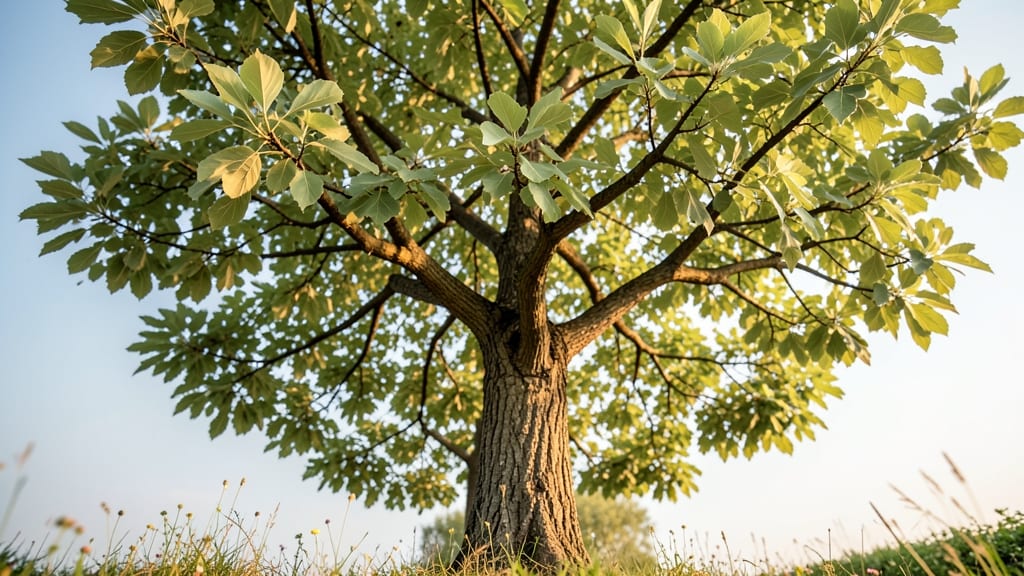
Looking to grow your own silk or support silkworms in your garden? The white mulberry tree (Morus alba) is your perfect partner—this fast-growing variety thrives in zones 5-9 and tolerates even poor soils better than most mulberries.
Unlike its fruit-bearing cousins, this tree produces pale green fruit that silkworms adore, making it ideal for homesteaders or small-scale silk production. It grows 30-50 feet tall but can be pruned to manage size, and its drought-tolerant roots make it low-maintenance once established.
Perfect for rural properties or permaculture projects, this tree also attracts pollinators while providing shade. If you're blending food production with textile crafts, this is the mulberry for you. 🌿
Dwarf Mulberry Tree
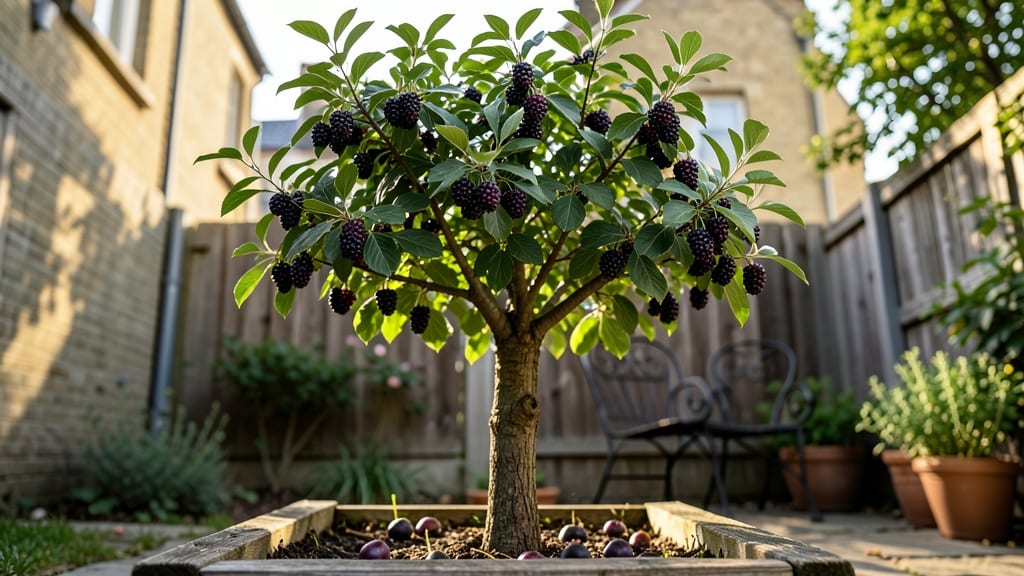
If your garden space is limited but you crave fresh, sweet mulberries, the dwarf mulberry tree is your perfect solution. This compact powerhouse grows just 8-10 feet tall, making it ideal for urban yards, small backyards, or even large containers—without sacrificing fruit production.
Unlike its larger counterparts, this variety thrives with minimal maintenance in zones 6-10, producing dark purple-black berries that ripen in late summer. It tolerates a range of soil types and requires less pruning than standard mulberries, yet still delivers abundant harvests for fresh eating or jams. Plant it near a fence or patio for easy access to its delicious fruit.
Perfect for beginners or city gardeners, this tree brings the joy of mulberries without the space demands. 🌱
Superior Mulberry Tree
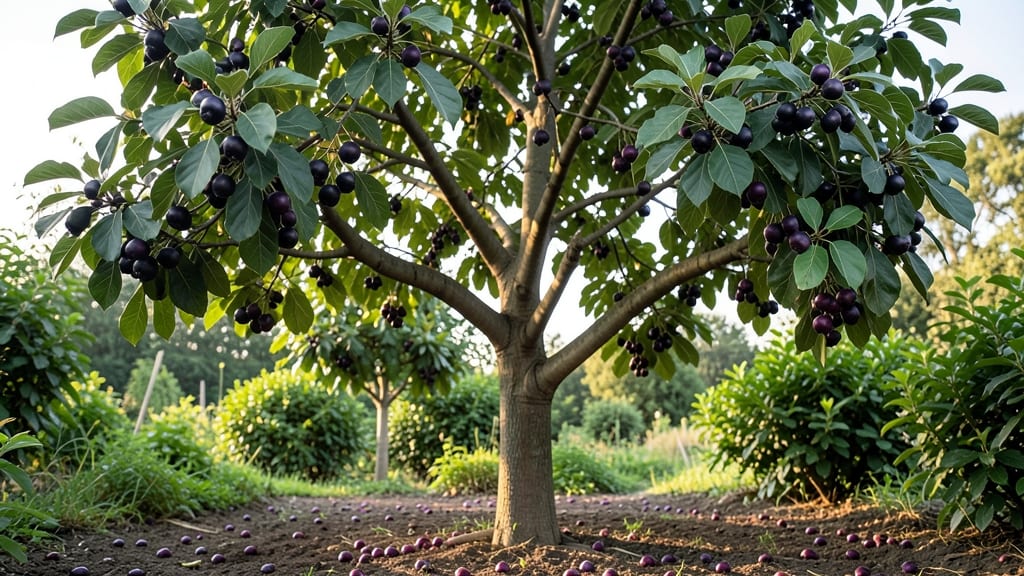
Tired of mulberry trees that succumb to pests or diseases? The Superior Mulberry Tree is a game-changer for organic gardeners, bred specifically to resist common ailments while delivering high yields of sweet, dark berries.
This hybrid thrives in zones 5-9 with minimal care—no need for pesticides or fungicides. Its disease-resistant leaves stay healthy even in humid climates, and it produces fruit reliably without attracting swarms of pests. Perfect for organic orchards or backyard growers who want hassle-free harvests.
Whether you're preserving fruit for winter or feeding wildlife, this variety simplifies mulberry growing. It’s the ideal choice for those who want low-maintenance, high-reward trees. 🌱
Everbearing Mulberry Tree

If you dream of a year-round mulberry harvest without the seasonal rush, the Everbearing Mulberry Tree is your game-changer. Unlike traditional varieties, it produces fruit continuously from spring through fall, giving you fresh berries for fresh eating, jams, or drying whenever you need them.
This aggressive grower thrives in zones 6-10 and fits perfectly into food forests or large gardens, where its sprawling branches can reach 20-30 feet. It handles heat and humidity well, making it ideal for southern climates, and its deep roots help improve soil structure over time. Just be prepared for its rapid growth—pruning will be part of your routine!
Perfect for homesteaders, permaculture enthusiasts, or anyone tired of waiting for a single harvest season. With minimal care beyond pruning, you’ll enjoy a bounty of sweet, juicy berries for months on end. 🌻