
How To
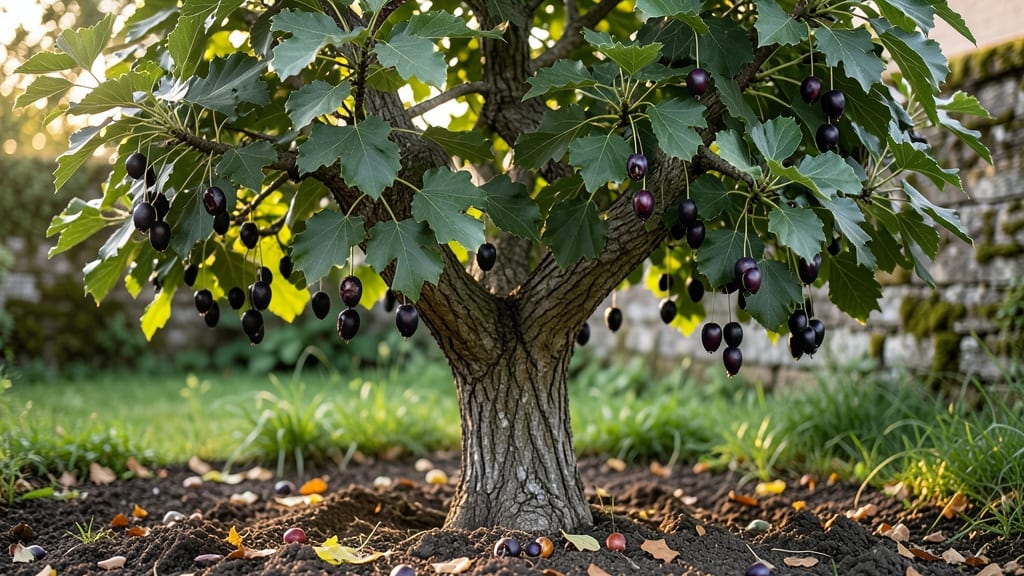
A mulberry tree 🌳 can grow between 15 and 60 feet tall, depending on the variety and growing conditions—so if you’re eyeing one for your yard, size matters more than you might think.
Picture this: a 60-foot giant shading your patio in 10 years, its roots pushing into your neighbor’s foundation, or worse—blocking that dream backyard renovation. Most gardeners underestimate how fast mulberries shoot up, especially the standard varieties that can add 3 to 6 feet per year once mature.
But here’s the good news: dwarf and semi-dwarf types stay under 25 feet, making them perfect for smaller spaces. Whether you’re after shade, fruit, or both, knowing the height range upfront saves headaches down the road.
In this guide, I’ll break down the fastest-growing varieties, how to control their height with pruning, and whether your yard can actually handle a tree this big—without turning into a jungle.


Mulberry tree height by variety: from compact dwarfs to towering giants
When I first planted a mulberry tree in my backyard, I had no idea it would eventually tower over my house. These trees are famous for their rapid growth and impressive stature, but their mature heights vary dramatically by variety.
If you're choosing between a compact mulberry for a small urban lot or a giant fruit-bearing tree for a sprawling estate, knowing the exact height ranges will help you plan your landscape like a pro.
Most mulberry varieties fall into three height categories: dwarf (15-25 ft), semi-dwarf (25-35 ft), and standard (40-60 ft). The difference between these can mean the difference between a tree that fits neatly in your yard and one that requires serious space planning.
Let's break down the most popular varieties and their mature heights so you can make the best choice for your garden.
🌱 Comparison Table: Mulberry Tree Heights by Variety
| Variety | Mature Height | Growth Rate (ft/year) | Best For |
|---|---|---|---|
| Illinois Everbearing | 15-25 ft | 1-2 ft | Small gardens, urban lots |
| Texas Mulberry | 25-35 ft | 2-3 ft | Medium yards, shade trees |
| Red Mulberry | 40-60 ft | 3-6 ft | Large estates, rural properties |
| Black Mulberry | 50-60 ft | 4-7 ft | Fruit production, large spaces |
| White Mulberry | 30-50 ft | 3-5 ft | Balanced height, fruit/silhouette |
| Dwarf Mulberry (e.g., 'Compacta') | 10-15 ft | 0.5-1 ft | Containers, patios, small spaces |
The Illinois Everbearing mulberry is my top recommendation for gardeners with limited space. This dwarf variety typically reaches just 15-25 feet at maturity, making it perfect for suburban backyards or even large containers.
I've seen it thrive in urban gardens where standard trees would be impossible. What's even better is its fast fruiting—you can expect berries within just 2-3 years of planting.
If you're after a taller mulberry tree for shade and fruit production, the Texas mulberry and white mulberry varieties strike a great balance. These semi-dwarf types grow to 25-35 feet and 30-50 feet respectively, providing ample shade while still fitting in most residential properties.
My neighbor planted a white mulberry near his patio, and it now provides perfect afternoon shade without overwhelming his yard.
For those with large rural properties, the red mulberry and black mulberry varieties are the true giants of the mulberry world. These trees can easily reach 50-60 feet at maturity, with some specimens growing even taller.
If you're considering one of these varieties, be sure to plant them at least 30 feet away from structures, fences, or other trees to prevent root competition and future pruning headaches.
One variety that often surprises gardeners is the dwarf mulberry, particularly the 'Compacta' cultivar. This ultra-compact option stays between 10-15 feet tall, making it ideal for containers, patios, or small urban gardens.
I've seen these planted in large pots on decks and balconies with stunning results. The trade-off is slightly smaller fruit yields, but the space savings make it worth considering for city dwellers.
When planning your mulberry tree's location, remember that these trees develop wide canopies as they mature. A 60-foot-tall tree might only need a 30-foot diameter of space, but always check the specific variety's spread requirements.
The Illinois Everbearing, for example, has a more compact spread (15-20 feet), while the black mulberry can spread up to 40 feet or more.
If you're torn between varieties, consider your primary goals: fruit production, <
How fast do mulberry trees grow? Annual height increase by type
Mulberry trees are among the fastest-growing shade and fruit-bearing trees, but their growth rates vary dramatically by variety. If you're planning to plant one, understanding these differences will help you choose the right type for your space.
Standard mulberries can shoot up 3 to 6 feet per year in ideal conditions, while dwarf varieties grow at a more manageable 1 to 2 feet annually. This rapid growth means you could see a 20-foot tree in just 4-5 years!
The speed of your mulberry tree's growth depends on several factors, including soil quality, climate conditions, and even how you prune it. For example, a tree in USDA Zone 7 or warmer with rich, well-draining soil will outpace one in cooler climates with poor soil.
Let's break down the annual growth rates by type and what you can expect over time.
3–6 ft/year
2–4 ft/year
1–2 ft/year
Standard: 10–15 years | Dwarf: 5–10 years
If you're growing a standard mulberry variety, expect it to reach 15 to 20 feet in just 3 years and continue climbing toward its mature height of 40 to 60 feet in 10–15 years.
For example, the Texas mulberry is known for its aggressive growth, often topping 50 feet without intervention. Meanwhile, a dwarf mulberry like 'Compacta' will max out around 15 to 25 feet, making it ideal for smaller yards or urban gardens.
Your local climate plays a huge role in growth speed. Mulberries thrive in warm climates (Zones 6–10), where they can grow up to 8 feet per year in the first few years.
In cooler zones, like Zone 5, growth slows to 2 to 3 feet annually until the tree is established. Additionally, well-draining soil rich in organic matter accelerates growth, while poor soil or compacted clay can stunt it.
Pruning is another critical factor. If you want to slow down vertical growth, prune the top third of the tree in late winter or early spring. This encourages bushier growth and can reduce annual height increases by 30–50%.
On the other hand, if you're aiming for a taller shade tree, avoid heavy pruning and let the tree grow naturally. Just be prepared for rapid expansion!
For a realistic timeline, plan for full maturity in 10–15 years for standard varieties. If space is limited, opt for a dwarf or semi-dwarf mulberry, which will reach maturity faster and stay within a 15–35 foot range.
With the right variety and care, you can enjoy mulberries without sacrificing your garden layout.