
Pests
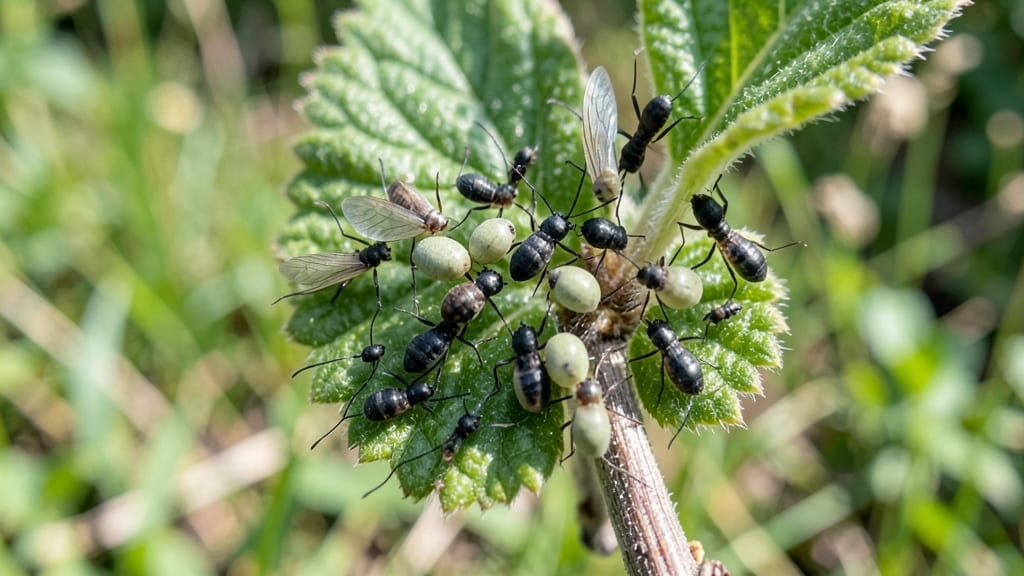
Birch trees covered in sticky, white aphids look like they’ve been dusted with powdered sugar—except it’s not sweet, it’s a full-blown infestation. 🌿 I’ve watched these sap-sucking pests drain my birches in just a few weeks, leaving curled leaves and sticky honeydew everywhere.
The good news? A simple natural spray can turn things around in 24 hours—no harsh chemicals needed.
The problem starts when aphids cluster on new growth, feeding on sap and excreting that sticky honeydew that attracts ants and sooty mold. Most gardeners panic and reach for pesticides, but that’s overkill—especially when a soapy water spray or neem oil mix does the job just as well.
The key is timing: treat them early in the season before populations explode.
By afternoon, you’ll see aphids dropping like rain after a gentle spray—no more clusters, no more sticky mess. The leaves stay green, the tree stays strong, and you avoid the collateral damage of chemical treatments. Plus, this method keeps beneficial insects safe while still protecting your birch.
Works for all birch varieties, from paper birch to river birch, and fits into any spring cleanup routine. Here’s exactly how to mix and apply it for fast, effective results.
Root Causes Of Sap-Sucking Infestations
Birch trees often become a buffet for tiny, sap-sucking invaders like aphids—but why do these pests zero in on them? Understanding the why behind their behavior helps you disrupt their lifecycle and reclaim your tree’s health.
Here’s a breakdown of the key factors driving these infestations, backed by science and actionable insights.
Birch trees produce copious amounts of sap, a nutrient-rich liquid that aphids love. These insects insert their needle-like mouthparts (stylets) into the phloem—the tree’s vascular system—to extract sugars and amino acids.
The high sugar content in birch sap makes it an irresistible meal, especially for species like the Birch Woolly Aphid (Eriosoma lanigerum).
💡 Why it matters: Young, fast-growing birch trees are particularly vulnerable because their sap flows more freely, attracting aphids like a neon sign. Even slight stress—like drought or nutrient deficiency—can increase sap production, making trees even more appealing targets.
🔍 What you can do:
- Monitor trees for sticky residue (honeydew)—a telltale sign of aphid feeding.
- Ensure proper watering and mulching to reduce stress-induced sap overproduction.
- Prune overly vigorous new growth in early spring to limit aphid access.
Aphids thrive when their predators are scarce. Birch trees in urban or suburban areas often lack the diverse ecosystem that keeps aphid populations in check. Natural enemies like ladybugs, lacewings, parasitic wasps, and birds typically regulate aphid numbers—but human activity (e.g., pesticides, habitat destruction) can disrupt this balance.
🌡️ Climate and location factors:
- Mild winters allow aphid eggs to survive and hatch earlier.
- Dense tree clusters provide shelter, making it harder for predators to access aphids.
- Monoculture landscapes (e.g., rows of birch trees) offer aphids a feast without interruption.
🎯 Actionable fix:
- Introduce beneficial insects like ladybugs or lacewing larvae (available at garden centers).
- Avoid broad-spectrum pesticides, which kill both pests and predators.
- Plant diverse, native shrubs nearby to attract a wider range of aphid hunters.
Stressed trees are like open doors for aphids. When birch trees face nutrient deficiencies, disease, or physical damage, their natural defenses weaken. Aphids detect these vulnerabilities through chemical signals released by struggling plants—a phenomenon called plant volatile organic compounds (VOCs).
📊 Common stress triggers:
Stressor
How It Attracts Aphids
Compacted soil
Restricts root growth, reducing the tree’s ability to fend off pests.
Fungal infections (e.g., birch rust)
Damaged leaves release sugars, making sap even more appealing.
Over-fertilization (especially nitrogen)
Encourages rapid, tender growth that aphids can easily penetrate.
✨ Pro tip: Conduct a soil test to check pH and nutrient levels. Birch trees prefer slightly acidic soil (pH 4.5–6.0)—amend with sulfur or peat moss if needed.
Aphids are highly seasonal, and their lifecycle syncs with birch tree growth. Here’s how timing plays a role:
- Early spring: Aphids emerge from eggs laid on tree bark or roots, targeting new shoots (which are nutrient-dense).
- Summer heat: Warmth accelerates reproduction—some species produce clones via parthenogenesis (no males needed!).
- Fall cooling: Aphids lay eggs for the next generation, often on root systems or tree bark.
🔥 Critical window: The first 2–3 weeks of spring are prime time for intervention. This is when aphids are most vulnerable to natural sprays (like neem oil or insecticidal soap) before they establish colonies.
👨🍳 Preventative steps:
- Inspect trees in late winter/early spring for aphid eggs (tiny black or gray specks on bark).
- Apply a dormant oil spray in February–March to smother overwintering eggs.
- Install yellow sticky traps in April to monitor early aphid activity.
Quick Fixes for Sap-Sucking Tree Invaders
If tiny, sticky pests are turning your birch trees into a sticky mess, don’t panic—there’s a way to reclaim your trees without harsh chemicals. Below, we’ll break down the most effective solutions based on the root cause of your problem, from manual removal to natural sprays that work fast.
Plus, we’ll share easy prevention tips to keep your trees aphid-free long-term.
For light infestations, a little elbow grease can go a long way. Aphids are soft-bodied, so you can physically dislodge them without harming the tree.
- 👨🍳 Blast Them Away Use a strong stream of water from your garden hose to knock aphids off leaves and branches. Focus on the undersides of leaves—this is where they love to hide. Repeat every few days until they’re gone.
- 🍳 Scrape Off Clusters If aphids have formed large colonies, gently scrape them off with a stiff brush or your fingers (wear gloves!). Drop them into soapy water to kill them instantly.
- 🥘 Prune Infested Branches If a few branches are heavily damaged, cut them off and dispose of them in a sealed bag. This stops the spread and gives your tree a chance to recover.
When manual methods aren’t enough, these natural sprays will smother aphids in 24 hours or less—no toxic residues!
- 🔥 Soap Suds Solution (Best for Small Infestations) Mix 1 tablespoon of mild liquid soap (like Castile soap) with 1 quart of water. Spray directly on aphids, focusing on the undersides of leaves. The soap disrupts their protective coating, dehydrating them. Reapply every 3–4 days.
- 🌡️ Neem Oil Spray (Knocks Out Eggs & Adults) Combine 1 teaspoon of neem oil, ½ teaspoon of dish soap, and 1 quart of water. Shake well and spray thoroughly. Neem oil interferes with aphids’ feeding and reproduction. Apply in the early morning or late evening to avoid harming beneficial insects.
- 🎯 Garlic & Chili Pepper Spray (Repels & Kills) Blend 1 crushed garlic clove, 1 teaspoon of cayenne pepper, and 1 quart of water. Strain, add a drop of dish soap, and spray on infested areas. The strong scent repels aphids while the capsaicin in chili pepper acts as a natural insecticide.
Encourage aphid predators to move into your yard—they’re free, effective, and eco-friendly!
- 💡 Ladybugs: The Tiny Aphid Hunters Purchase ladybug larvae (not adult ladybugs—they’re less effective) from garden centers. Release them near infested areas. One larva can eat hundreds of aphids in a day!
- 🌿 Lacewings & Parasitic Wasps Attract these natural predators by planting dill, fennel, or yarrow nearby. They lay eggs near aphid colonies, and their larvae will devour the pests.
- 🔥 Bird Feeders & Bat Houses Birds and bats love aphids! Install a bird feeder or bat house to boost their presence in your garden.
An ounce of prevention is worth a pound of cure. Follow these steps to protect your birch trees year-round.
- 🌡️ Monitor New Growth Aphids love new shoots—check your trees weekly during spring and summer. Early detection means easier removal.
- 💡 Strengthen Tree Health Healthy trees resist pests better. Water deeply during dry spells and mulch around the base to retain moisture.
- 🎯 Avoid Over-Fertilizing Too much nitrogen = softer, more appealing leaves for aphids. Use a balanced fertilizer (like 10-10-10) instead.
- 🌿 Plant Companion Plants Aphids dislike strong-smelling herbs like mint, rosemary, or thyme. Plant these near your birch trees as a natural deterrent.
- 🔥 Clean Up Debris Fallen leaves and twigs can harbor aphid eggs. Rake and dispose of debris in the fall to break their life cycle.
With these methods, you’ll see a noticeable reduction in aphids within 24–48 hours—and your birch trees will stay lush and pest-free. Try one or combine a few for the best results!
Frequently asked questions
What do birch tree aphids look like up close?
Birch aphids are tiny, usually 1/16-inch long, and come in white, gray, or green colors. The most common type, woolly aphids, have a distinctive cottony, white "wool" covering that looks like fluffy tufts. Look for clusters on new growth or along branches—their sticky honeydew residue is another dead giveaway.
Can aphids kill my birch tree if left untreated?
While they won't kill a healthy mature birch tree, severe infestations can weaken young trees by draining sap and spreading sooty mold. The biggest risk is secondary damage: honeydew attracts ants, and sooty mold blocks sunlight, stunting growth. Act fast if you see curled leaves or black fungal growth on bark.
How often should I reapply natural sprays like neem oil?
For best results, reapply neem oil every 7-10 days during active growth (spring/summer). The key is consistency—aphids reproduce quickly, so don't wait until you see new clusters. Always spray in the evening to protect beneficial insects, and avoid applying when rain is forecast within 24 hours.
Will commercial pesticides harm my birch tree?
Most chemical pesticides are safe for birch trees themselves, but they'll also kill natural predators like ladybugs that help control aphids. Overuse can damage tree bark or leaves, especially on sensitive varieties like paper birch. Always follow label instructions and consider spot-treating only the worst infestations.
What's the best time of year to treat birch aphids?
Early spring (March-April) is critical—treat before new leaves emerge to catch overwintering eggs. A second application in late May-June targets new generations. Fall treatments are less effective since aphids are preparing to lay eggs, but removing fallen leaves helps break their life cycle.