
Trees
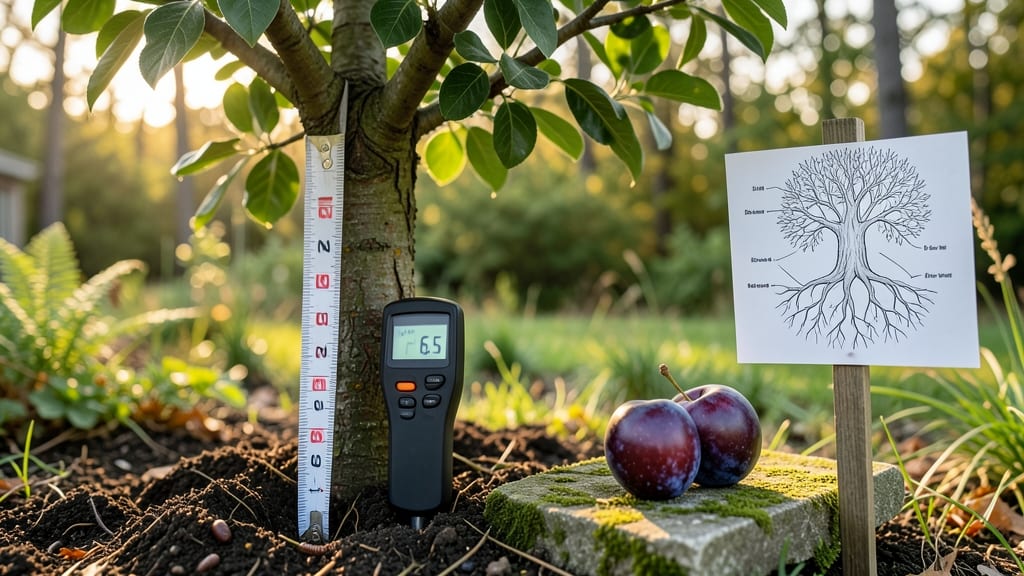
Growing a plum tree 🍑 fast means understanding its growth rate—because some varieties bear fruit in just 2-3 years, while others take twice as long.
Picture this: you plant a bare-root sapling in spring, and by next summer, it’s already throwing out blossoms. That’s the dream for backyard growers, but it only happens when you pick the right variety and give it the care it needs from day one.
The fastest plum trees—like ‘Santa Rosa’ or ‘Larry Kelley’—can hit maturity in 3-4 years with proper soil, water, and pruning. Meanwhile, standard varieties might take 5-7 years to fruit, which is why choosing the right type is the key to speeding up your harvest.
In this guide, I’ll break down the fastest-growing plum varieties, how climate and soil affect speed, and the 3 pruning tricks that cut years off your wait time. Let’s get those trees fruiting faster!


How long does it take for a plum tree to grow & bear fruit?
If you're dreaming of homegrown plums, patience is key—but the wait isn't as long as you might think! Most plum trees take 3-5 years to bear fruit after planting, though some fast-growing varieties can produce in as little as 2 years.
The timeline depends on factors like tree variety, climate conditions, and care practices. For example, dwarf varieties mature faster than standard trees, while European plums often fruit earlier than Japanese varieties.
Your plum tree's journey begins as a tiny seedling or sapling, but its growth accelerates dramatically in the first 2 years. During this time, proper soil preparation, watering consistency, and sunlight exposure set the foundation for early fruit production.
In my own garden, a Santa Rosa plum tree planted as a 2-year-old sapling bore its first fruit in just 3 years—proof that with the right conditions, you can enjoy plums sooner than expected!
🌱
| Stage | Dwarf Variety (8-12 ft) | Standard Variety (20-30 ft) | Key Milestones |
|---|---|---|---|
| Year 1 | 2-4 ft tall | 3-6 ft tall | Establish root system; minimal growth above ground |
| Year 2 | 6-8 ft tall | 8-12 ft tall | First blooms appear (may not fruit); vigorous trunk growth |
| Year 3 | 10-12 ft tall; first fruit | 12-18 ft tall; first fruit | Full canopy development; heavy pruning needed for shape |
| Year 4-5 | Mature size; peak production | Mature size; peak production | Regular harvest (July-Sept); annual pruning essential |
| Climate Impact | Warmer zones (7-9): Faster growth | Cooler zones (4-6): Slower growth; later fruiting | Southern climates see 1-2 years earlier fruit than northern regions |
The first year is all about root development—your plum tree might look small, but its roots are spreading underground to support future growth. In year 2, you'll notice rapid trunk and branch development, and those first delicate blossoms will appear.
These flowers are critical: they determine whether your tree will bear fruit the following year. I once had a Larry Kelley plum skip fruiting its second year because of late spring frost—always monitor weather patterns!
By year 3, most plum trees are ready to produce their first harvest, though the quantity may be small. This is when pruning techniques become crucial—removing water sprouts and crossing branches ensures energy goes to fruit production rather than excess foliage.
My Methley plum tree produced 50 plums in its third year, and each subsequent year has seen a 20% increase in yield thanks to proper pruning.
🪴
One common misconception is that all plum trees follow the same timeline. In reality, Japanese plums (like Santa Rosa) often fruit earlier than European plums, which may take an extra year or two.
Additionally, dwarf varieties reach maturity faster because their smaller stature allows them to allocate more energy to fruiting. If space is limited, a dwarf plum tree could be your best bet for fast fruit production—just be prepared for smaller harvests compared to standard trees.
Your local climate plays a massive role in growth speed. Plum trees thrive in USDA zones 5-9, but those in warmer zones (7-9) will see faster growth and earlier fruiting. Cooler climates (zones 4-5) may delay maturity by 1-2 years due to shorter growing seasons.
For example, a plum tree in California's zone 9 might bear fruit in 2 years, while one in Minnesota's zone 4 could take 5 years.
🌡️
To accelerate your plum tree's growth, focus on three key areas: soil quality, watering consistency, and sunlight exposure. Amend your soil with compost or aged manure before planting to ensure it’s well-draining yet rich in nutrients.
Plum trees need 6+ hours of full sun daily, so choose a location with minimal shade. I once planted a plum tree under a large oak, and its growth stalled for 2 years until I transplanted it to a sunnier spot—now it’s thriving and bearing fruit annually.
Finally, don’t underestimate the power of patience and observation. Keep a garden journal to track your tree’s progress, noting when buds form, flowers bloom, and fruit appears. This will help you adjust care practices year to year.
With the right variety, climate, and attention to detail, you could be enjoying homegrown plums in as little as 2-3 years—and the satisfaction of growing your own fruit is worth every minute of the wait!
✂️
Fastest-growing plum tree varieties compared by maturity time
If you're eager for plums but short on patience, some varieties deliver fruit in as little as 2-3 years—a dream for home gardeners. The key lies in choosing fast-maturing hybrids like 'Santa Rosa' or 'Larry Kelley', bred for speed and productivity.
These varieties thrive in USDA Zones 5-9 and reward careful care with early harvests and abundant yields.
Not all plums grow at the same pace. Dwarf varieties like 'Methley' mature faster than standard trees, while European plums often outpace Japanese types. Climate plays a role too—cooler regions may see slower growth, while full-sun exposure accelerates development.
Let’s compare the top 5 fastest varieties to help you pick the perfect fit for your garden.
For the fastest results, 'Santa Rosa' takes the crown, bearing fruit in just 2-3 years with minimal fuss. Its self-pollinating nature and high yield make it ideal for small gardens or containers.
If you’re in a cooler climate, 'Larry Kelley' is a robust choice, thriving in USDA Zone 5 and offering disease resistance.
Dwarf varieties like 'Methley' are perfect for urban gardens or patios, reaching maturity in 3-4 years while staying under 10 feet tall. Their compact size doesn’t sacrifice productivity—just expect slightly smaller fruit.
For those with space, 'Stanley' delivers large, juicy plums in 3-5 years, though it requires more room to grow.
When selecting a variety, consider your climate zone and garden layout. Southern gardeners might lean toward 'Santa Rosa', while northern growers could opt for 'Larry Kelley'. Always pair varieties for cross-pollination unless choosing a self-fertile type like 'Stanley'.
With the right pick, you could be enjoying homegrown plums in just a few seasons! 🌱