
Pruning
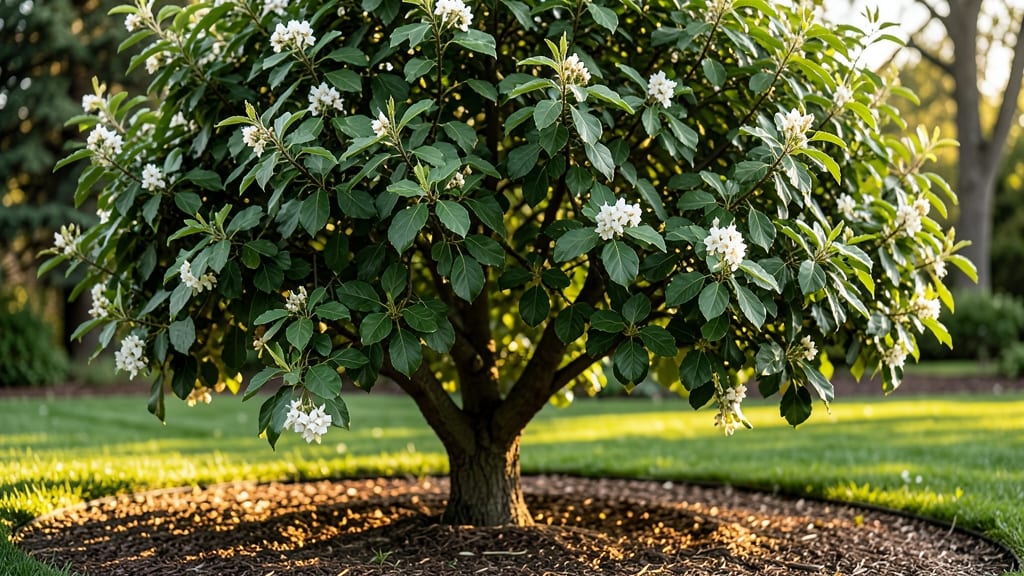
The Bradford pear tree size will reach 30-50 feet tall—taller than most two-story homes—with a spread of 25-40 feet, making it a statement piece in any landscape. 🌳 I planted mine in my suburban yard and quickly realized how much space it truly needs; the roots spread aggressively, and the branches stretch wide enough to shade an entire patio.
The rapid growth rate (up to 3 feet per year) means it fills out fast, but that also means you’ll need to plan for pruning early.
Bradford pears develop a dense canopy that blocks sunlight below, so spacing them at least 40 feet apart prevents future crowding and competition for resources.
You’ll end up with a tree that produces fragrant white flowers in spring and small, edible pears (though they’re not prized for quality). The trade-off? Those pears attract birds, which means cleanup in fall, but the shade and seasonal interest make it worth the effort.
For urban gardens or small yards, consider dwarf varieties like ‘Patriot’ or ‘Aristocrat,’ which stay under 20 feet tall while maintaining the same stunning blooms. Just don’t underestimate their eventual size—this isn’t a tree for tight spaces.
📚 In This Guide
- What you need
- Instructions
- Tips and common mistakes
- Wrapping up and next steps
What you need
- ● Bradford pear tree sapling or bare-root tree (choose a size based on your needs: 1-3 gallons for young trees, 7-15 gallons for larger varieties).
- ● Shovel or digging spade (for planting—opt for a round-point shovel for easier digging).
- ● Garden gloves (heavy-duty, waterproof to protect your hands while handling soil and tools).
- ● Pruning shears or loppers (for shaping—bypass pruners for clean cuts on small branches, loppers (18-24") for thicker branches).
- ● Pruning saw (for large branches—bow saw or folding pruning saw for precision).
- ● Mulch (2-4 inches of organic mulch like wood chips or shredded bark to retain moisture and suppress weeds).
- ● Watering can or hose with a gentle spray nozzle (for post-planting hydration).
- ○ Tree stakes (optional but helpful) (if planting in windy areas—2-3 stakes, 6-8 feet tall).
- ● Soil test kit (to check pH and nutrient levels—Bradford pears prefer slightly acidic to neutral soil (pH 6.0-7.0)).
- ● Tree fertilizer (balanced 10-10-10 or slow-release granular fertilizer for young trees).
- ● Tree wrap or protective barrier (to guard against rodents or sun scorch on young bark).
- ● Wheelbarrow or garden cart (for hauling mulch, soil, or tools).
- ● Safety gear (goggles, long sleeves, and closed-toe shoes for pruning large branches).
Understanding Bradford pear tree size: key growth factors and variety differences
Here's how to predict your Bradford pear's mature size—and how to plan for its space needs.
🌳 Step 1: Identify Your Variety's Mature Height Range
Bradford pears come in two primary types: the classic Callery Pear (Pyrus calleryana) and its modern hybrids like Aristocrat or Chanticleer. The original Bradford pear typically reaches 40-50 feet at maturity, with a spread of 30-40 feet, making it a true small tree in the landscape. However, many modern cultivars have been bred for compact growth—Aristocrat maxes out around 30-35 feet, while Chanticleer stays under 25 feet.
Check your tree's tag or nursery notes for the exact variety. If you're unsure, measure the trunk diameter at chest height: thicker trunks (6+ inches) usually indicate the classic Bradford, while slender trunks (3-5 inches) suggest a dwarf hybrid. This affects not just height but also pruning needs—taller varieties require more aggressive structural pruning to prevent weak branch unions.
📏 Step 2: Assess Your Site's Space Requirements
Before planting, measure your available space with a 20-foot tape measure (or use a wheel-based measuring tool for larger areas). For a 40-foot Bradford, you'll need at least 40 feet of horizontal clearance from structures, sidewalks, and other trees. The root system extends 1.5 to 2 times the canopy spread, so dig a hole with a 6-foot diameter to accommodate lateral roots.
I always mark the mature canopy outline with stakes and string before planting. This helps visualize how the tree will interact with your property lines, power lines, and neighboring plants. If your space is limited, consider columnar Bradford hybrids like Fastigiata, which grow 20-25 feet tall but only 10-12 feet wide—ideal for narrow urban lots.
✂️ Step 3: Prune for Structure During Early Growth
The first 3-5 years are critical for shaping a Bradford pear's size and form. Start pruning when the tree reaches 6-8 feet tall, focusing on removing water sprouts (vigorous vertical shoots) and crossing branches. Use clean, sharp pruners to make cuts just outside the branch collar—never leave stubs, as they invite disease.
For height control, top the central leader when it reaches 12-15 feet, cutting it back by one-third. This encourages lateral branching and reduces the risk of storm damage. I’ve seen Bradford pears grow 10 feet in a single season if left unpruned—regular maintenance keeps them within your target size range. Always prune in late winter or early spring (just before buds swell) to minimize stress.
🌿 Step 4: Monitor Growth Rate and Adjust Care
Bradford pears grow 2-3 feet per year in ideal conditions (full sun, well-draining soil, and consistent moisture). If your tree is outpacing your space, reduce nitrogen-rich fertilizers—too much promotes rapid, weak growth. Instead, use a balanced 10-10-10 fertilizer in early spring and potassium-rich amendments (like wood ash) to strengthen wood.
Watch for epicormic branching (shoots growing from the trunk)—this is a sign of poor light or over-fertilization. Thin these shoots to 1-2 per foot of trunk height to maintain an open canopy. Mulch with 3 inches of organic matter (like shredded bark) to regulate soil temperature and retain moisture, which slows aggressive growth. If your tree still grows too large, consider root pruning in early spring to redirect energy into lateral growth.
⏰ Step 5: Plan for Long-Term Maintenance
After 10 years, Bradford pears enter their mature phase, requiring annual structural pruning to remove deadwood and maintain shape. Schedule a professional arborist for trees over 30 feet—working at heights with heavy branches is dangerous. I recommend bi-annual inspections (spring and fall) to catch issues like silver leaf disease or fire blight early.
For size control in mature trees, use drop crotch pruning—cutting back branches to a lateral branch growing at a 45-degree angle from the trunk. This encourages bushier growth and reduces the risk of limb failure. If your Bradford pear is planted too close to structures, gradual elevation pruning (raising the canopy over time) can create clearance without sacrificing aesthetics.
Tips & tricks for managing Bradford pear tree growth
A few strategic approaches will help you keep your Bradford pear within your desired space while ensuring healthy growth.
Variety-Specific Pruning Timing: The first 3-5 years are when you can most effectively shape your Bradford pear's mature size. For classic varieties reaching 40-50 feet, begin structural pruning when the tree hits 6-8 feet tall—this is when the framework forms. I've seen trees grow 10 feet in a single season if left unchecked, so don't wait too long to establish that central leader control. Remember, the classic Bradford's aggressive growth requires more frequent pruning than its compact hybrids like Chanticleer.
Root System Considerations: When planning your planting site, remember the root system extends 1.5 to 2 times the canopy spread. That means a 40-foot Bradford will have roots spreading 60-80 feet wide! Dig a hole with a 6-foot diameter to accommodate these lateral roots, and avoid planting near foundations or sidewalks. I always recommend testing soil drainage—Bradford pears hate soggy roots, which can lead to stunted growth or disease.
Fertilizer Strategy: If your Bradford pear is growing too quickly for your space, reduce nitrogen-rich fertilizers—this promotes weak, fast growth rather than sturdy structure. Instead, use a balanced 10-10-10 fertilizer in early spring to encourage healthy development without excessive height. For potassium-rich amendments like wood ash, apply sparingly (about 1 pound per 100 square feet annually) to strengthen wood and improve disease resistance.
Visual Growth Tracking: Mark your mature canopy outline with stakes and string before planting—this helps visualize how the tree will interact with your property. For columnar varieties like Fastigiata, which stay under 25 feet tall, you can get away with narrower spacing (10-12 feet wide). For classic Bradfords, maintain at least 40 feet of horizontal clearance from structures to prevent future pruning headaches.
Pro Tips for Bradford Pear Tree Size
- A few strategic approaches will help you keep your Bradford pear within your desired space while ensuring healthy growth.
- Variety-Specific Pruning Timing: The first 3-5 years are when you can most effectively shape your Bradford pear's mature size.
- Root System Considerations: When planning your planting site, remember the root system extends 1.5 to 2 times the canopy spread.
Frequently asked questions
Got questions about your Bradford pear tree’s size or care? You’re not alone! Here are answers to the most common concerns—from growth expectations to troubleshooting—so you can keep your tree thriving.
How big does a Bradford pear tree get at maturity?
A Bradford pear typically reaches 30–50 feet tall and 25–40 feet wide at maturity, depending on growing conditions. Dwarf varieties (like ‘Patriot’ or ‘Littleleaf’) stay between 15–25 feet tall—perfect for smaller yards! Prune young trees to encourage a balanced shape and control size.
How fast does a Bradford pear grow?
Bradford pears are fast-growing, adding 2–3 feet per year in ideal conditions (full sun, well-drained soil). However, rapid growth can weaken wood, making pruning essential to maintain health. Expect slower growth in shady or nutrient-poor soils.
Can I keep a Bradford pear small with pruning?
Yes! While Bradford pears aren’t naturally dwarf, regular pruning (especially in early spring) can limit height and width. Focus on removing suckers, water sprouts, and crossing branches to shape the tree. For the smallest option, choose a grafted dwarf variety or consult an arborist for structural pruning.
Why is my Bradford pear growing unevenly or leaning?
Uneven growth often stems from poor sunlight, root competition, or weak crotches (where branches meet the trunk). To fix it:
- Check sunlight: Ensure the tree gets 6+ hours of direct sun daily.
- Prune strategically: Remove heavy branches on one side to balance weight.
- Stake young trees if wind or soil erosion is causing lean.
What’s a good alternative to Bradford pear for smaller spaces?
If space is limited, consider these low-maintenance, compact alternatives:
Tree
Mature Size
Pros
‘Aristocrat’ Pear
20–25 ft tall
Disease-resistant, upright growth, fragrant flowers.
‘Cleveland Select’ Pear
25–35 ft tall
Thornless, strong branches, fewer disease issues.
‘Chanticleer’ Pear
20–25 ft tall
Compact, disease-resistant, great for urban areas.
All three offer beautiful blooms and edible fruit with less risk of weak wood than Bradford pears.
Wrapping up and next steps
The Bradford pear tree is a stunning addition to any landscape, with mature sizes varying between 25 to 40 feet depending on the variety.
Whether you’re drawn to the classic Bradford’s compact form or the elegant Callery pear’s upright branches, understanding its growth habits ensures you can plan for its long-term beauty—while keeping maintenance manageable. 🌳
Ready to welcome this tree into your yard? Start by choosing the right variety for your space and soil, then give it the care it deserves. With proper pruning and patience, your Bradford pear will thrive for decades, offering fragrant blooms and seasonal interest year after year!