
Trees
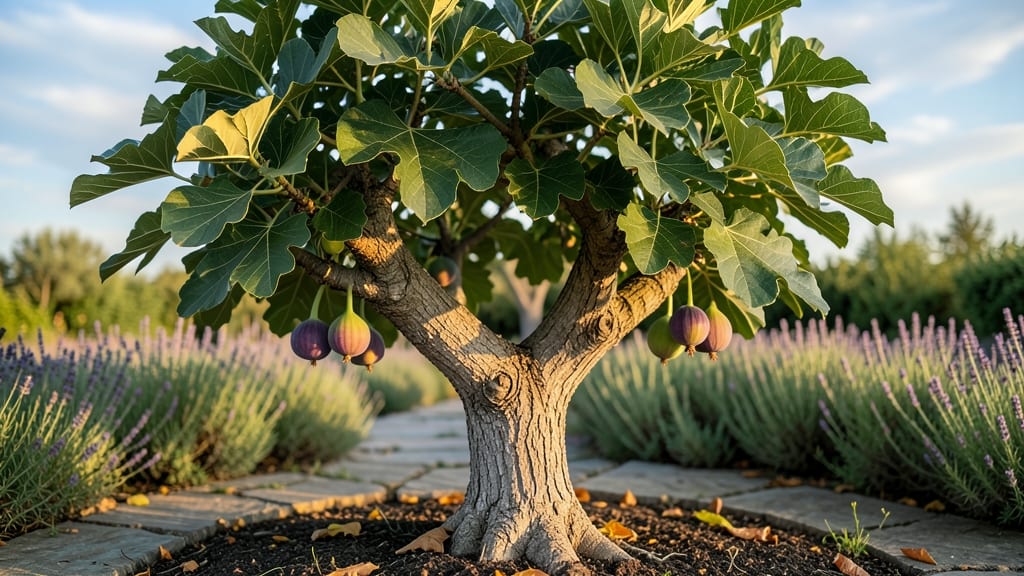
A fig tree's height and width can transform your garden from cramped to spacious—or ruin it if you don’t plan ahead. 🌳
Struggling to grow figs in a small garden? The right variety can keep your fig tree compact while still producing sweet, abundant fruit—without sacrificing space for other plants.
A standard fig tree can tower over 20 feet and spread just as wide, but dwarf varieties stay under 8 feet, making them perfect for patios, balconies, or even large containers.
Whether you’re designing a cozy backyard retreat or a tiny urban plot, knowing how tall and wide your fig tree will grow is the key to happy harvests and happy neighbors.
Below, I’ll break down the best space-saving varieties, pruning tips to control growth, and layout ideas that let you enjoy figs without the bulk.
Ready to turn your space constraints into a fig-filled advantage? Let’s dive into the numbers—and the varieties—that make it possible.

Fig tree height and Width: how tall and wide do varieties grow?
Choosing the right fig tree variety depends on your space—whether you have a sprawling backyard or a cozy container garden. Standard fig trees can reach 20-30 feet tall with a 15-20 foot spread, making them unsuitable for small yards.
But don’t worry: compact varieties exist that thrive in tight spaces while still producing delicious fruit.
The mature height and width of a fig tree vary dramatically by variety. Some, like the 'Brown Turkey', grow aggressively, while others like 'Little Miss Figgy' stay under 8 feet. Understanding these dimensions helps you plan spacing, pruning, and even container sizes for urban gardens.
Below, I’ve organized the most popular fig tree varieties by their mature height and spread, including notes on their growth habits and ideal conditions. This will help you pick the perfect fit for your garden—whether you’re dreaming of a fruit-laden patio tree or a backyard giant.
If you’re working with limited space, focus on dwarf varieties like 'Little Miss Figgy' or 'Osborn Prolific', which stay under 8 feet tall. These are perfect for container gardening or small urban yards. Even in pots, they’ll produce abundant fruit with minimal pruning.
For larger gardens, varieties like 'Brown Turkey' or 'Celeste' offer generous fruit yields but require more room. Plant them at least 15 feet from structures to avoid shading and allow for natural spread.
Always check your USDA hardiness zone—some varieties, like 'Chicago Hardy', tolerate colder climates better than others.
Pruning plays a key role in managing fig tree size. Even standard varieties can be kept smaller with regular pruning. I recommend pruning in late winter or early spring to shape the tree and remove dead or overcrowded branches.
This not only controls height but also improves air circulation and fruit production.
Remember, fig trees grow faster in warm climates and may need winter protection in colder zones. If you’re in Zone 6 or below, choose cold-hardy varieties like 'Chicago Hardy' or 'Celeste' to avoid winter damage. Mulching around the base with organic matter also helps insulate roots during cold snaps.
When planning your garden layout, consider companion planting. Fig trees pair well with herbs like rosemary or thyme, which deter pests. Avoid planting near competitive root
Best space-saving fig tree varieties for small gardens
If you love figs but have limited garden space, don't despair—there are compact fig tree varieties perfect for small yards, patios, or even large containers. These dwarf fig trees stay under 8 feet tall while still producing abundant fruit with minimal space requirements.
The key is selecting the right cold-hardy fig varieties that thrive in tight spaces without sacrificing productivity.
When choosing a space-saving fig tree, consider both mature height and spread. Some varieties grow upright, while others spread wider—both can work in small gardens with proper planning.
Container growing is also an option for patio fig trees, allowing you to move them to optimal sunlight or protect them from frost when needed.
🌳 Compact Fig Tree Varieties Comparison
Height: 6-8 ft | Width: 6-8 ft
🌿 Pros: Cold-hardy, sweet fruit, great for containers
Height: 8-10 ft | Width: 6-8 ft
🌿 Pros: Tolerates Zone 5, upright growth, reliable producer
Height: 4-6 ft | Width: 4-5 ft
🌿 Pros: Dwarf variety, perfect for containers, early bearing
🌱 Cons: Needs full sun, sensitive to overwatering
🌱 Cons: Slower to fruit in containers, needs winter protection
🌱 Cons: Smaller fruit size, limited cold hardiness (Zone 7+)
For urban gardeners, the Celeste fig tree is a top pick—it stays under 8 feet tall and produces large, sweet figs perfect for fresh eating or drying. This variety is also cold-hardy, making it ideal for USDA Zones 5-10.
Pair it with dwarf citrus trees or herb spirals to create a multi-functional small garden.
If you're in a cooler climate, the Chicago Hardy fig is unbeatable. While it reaches 8-10 feet tall, its upright growth habit makes it easier to fit into tight spaces.
Prune regularly to maintain its shape and encourage fruit production. This variety is also drought-tolerant once established, reducing watering demands in small gardens.
Don't overlook container growing—it's the secret to maximizing space. Use large pots (15+ gallons) with well-draining soil and place your fig tree in a sunny spot on a patio or balcony.
Move containers indoors during winter if you're in a frost-prone area. Just remember: fig trees need space for roots, so avoid tiny pots that restrict growth.
To keep your compact fig tree thriving, focus on pruning and watering consistency. Prune in late winter to remove dead wood and shape the tree. Water deeply 1-2 times per week during dry spells, but avoid soggy soil.
With the right space-saving variety and care, you'll enjoy homegrown figs without sacrificing your garden's layout.