
How To
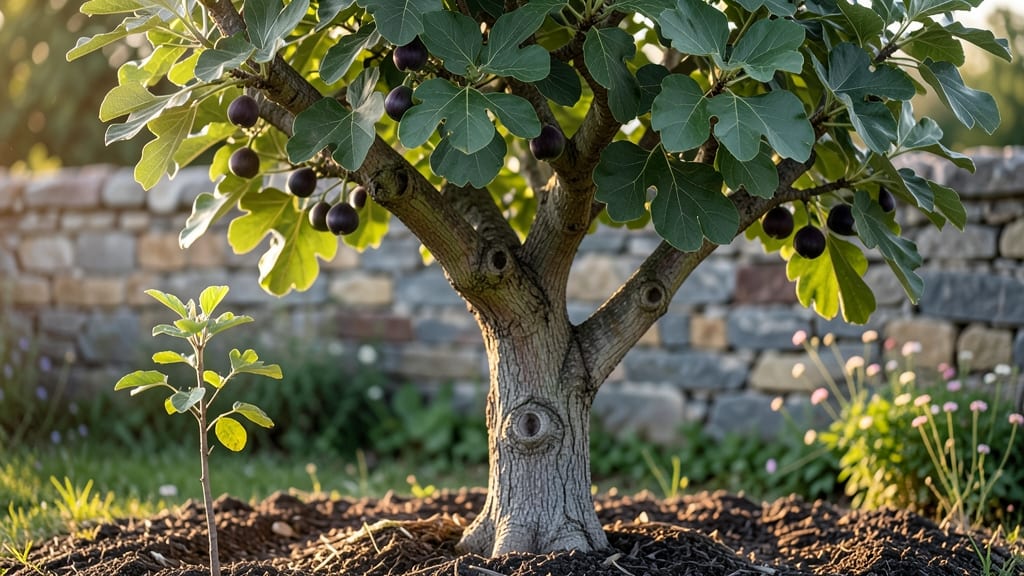
A fig tree grows anywhere from 8 feet to towering 30 feet tall, depending on the variety and how you care for it.
If you're dreaming of a fig tree in your backyard but wondering whether it’ll tower over your house or stay neatly contained, the answer depends entirely on the variety—and we’re breaking down the exact heights you can expect.
Some figs, like the Little Miss Figgy, stay compact at just 8-12 feet, perfect for small yards or containers, while others, like the classic Brown Turkey, can reach 20-30 feet if left unpruned.
Below, I’ll walk you through the differences between dwarf, semi-dwarf, and standard varieties, plus the simple pruning tricks to keep your fig tree at your ideal height—without sacrificing those sweet, sun-ripened fruits.


Fig tree height by variety: dwarf vs standard sizes explained
Choosing the right fig tree variety is key to controlling its height—whether you want a compact patio tree or a towering fruit producer. Fig trees (Ficus carica) naturally grow anywhere from 8 feet to over 30 feet, but the difference comes down to the cultivar.
Dwarf varieties stay under 10 feet, making them perfect for containers or small yards, while standard types can reach 20+ feet if left unchecked. Let’s break down the exact heights you can expect from popular varieties and how to plan your space accordingly.
Before selecting a variety, consider your garden layout and maintenance goals. A standard fig tree like 'Celeste' or 'Brown Turkey' will need ample space and regular pruning to control its height, while a dwarf variety like 'Little Miss Figgy' stays manageable with minimal effort.
Even semi-dwarf types (10–20 feet) offer a middle ground for those with moderate space. Understanding these differences helps you avoid surprises as your tree matures.
Here’s a quick comparison of fig tree heights by category to help you visualize the options:
| Variety Type | Mature Height | Growth Rate | Best For | Space Needs |
|---|---|---|---|---|
| Dwarf Varieties | Under 10 ft | Slow to moderate | Containers, patios, small yards | 5–10 sq ft |
| 'Little Miss Figgy' | 6–8 ft | Moderate | Containers, urban gardens | 3–5 sq ft |
| 'Violette de Bordeaux' | 8–10 ft | Slow | Balconies, small spaces | 5–8 sq ft |
| Semi-Dwarf Varieties | 10–20 ft | Moderate to fast | Medium yards, privacy screens | 15–25 sq ft |
| 'Desert King' | 12–15 ft | Fast | Drought-resistant yards | 20 sq ft |
| 'Osborn Prolific' | 15–20 ft | Moderate | Fruit production, larger gardens | 25 sq ft |
| Standard Varieties | 20–30+ ft | Fast | Large properties, orchards | 30+ sq ft |
| 'Brown Turkey' | 25–30 ft | Fast | Classic fruit trees | 40 sq ft |
| 'Celeste' | 20–25 ft | Moderate | Shade trees, large yards | 35 sq ft |
If you’re growing figs in containers, dwarf
How to control fig tree height: pruning and training tips
Fig trees are fast growers, but their height can quickly become unmanageable if left unchecked. With the right pruning techniques and structural training, you can shape your fig tree to fit your space—whether that’s a compact patio tree or a trained espalier along a fence.
The key is understanding when and how to prune for both height control and fruit production.
Most fig trees naturally grow 15–30 feet tall, but with strategic pruning, you can reduce this by 50–70%. The best time to prune is late winter or early spring, just before new growth begins.
This ensures you’re not removing buds that could produce fruit later in the season. For container-grown figs, pruning can also encourage a bushier, more compact shape.
Step-by-Step Guide to Pruning for Height Control
-
Step 1: Assess Your Goals
Decide your target height—6–8 feet for a small tree, 10–12 feet for a medium-height tree, or 15+ feet if you want a standard-sized tree. Sketch a rough outline of where you want branches to grow.
-
Step 2: Remove Vertical Growth
Cut back water sprouts (fast-growing vertical shoots) and suckers at the base. Use clean, sharp pruners to make cuts just above a leaf node or outward-facing bud to encourage lateral growth.
-
Step 3: Thin the Canopy
Remove 10–20% of the oldest wood to improve airflow and sunlight penetration. Focus on crossing branches or those growing inward. Aim to create an open, cup-shaped canopy.
-
Step 4: Train Branches Horizontally
For a low-growing fig tree, tie young branches to a horizontal support (like a trellis or wire) to encourage horizontal growth. This method works well for espalier figs or container-grown trees.
-
Step 5: Prune for Fruit Production
Leave 3–5 main branches if you want a smaller tree. For each branch, keep 2–3 fruit-bearing spurs (short, woody stems with buds). Avoid cutting back these spurs, as they produce the next year’s crop.
-
Step 6: Clean Up and Disinfect
Remove all dead or diseased wood and sterilize your pruners with rubbing alcohol or a 10% bleach solution to prevent the spread of pathogens.
-
Step 7: Mulch and Fertilize
Apply a 2–3 inch layer of mulch around the base to retain moisture and add a balanced fertilizer (5-10-10) to support new growth. Water deeply after pruning to reduce stress.
💡 Pro Tip: If your fig tree is already too tall, prune it back by 1/3 of its height in stages over 2–3 years to avoid shocking the tree.
For container-grown fig trees, pruning is even more critical. Since roots are confined, the tree will focus its energy on above-ground growth. Prune container figs year-round (lightly) to maintain shape, but avoid heavy pruning in late summer or fall, as this can reduce next year’s fruit yield.
If you’re growing a fig tree as an espalier, prune aggressively in winter to encourage flat, two-dimensional growth against a wall or fence. Use flexible ties to guide branches into place, and remove any vertical growth immediately to maintain the desired shape.
With patience, an espaliered fig can produce abundant fruit while staying under 6 feet tall.
Remember, fig trees are resilient, and even heavy pruning won’t kill them. However, over-pruning can reduce fruit production, so always leave enough fruit-bearing wood to sustain your harvest. With consistent care, you can enjoy a manageable-sized fig tree that fits your space perfectly—without sacrificing those sweet, sun-ripened figs! 🌿