
Trees
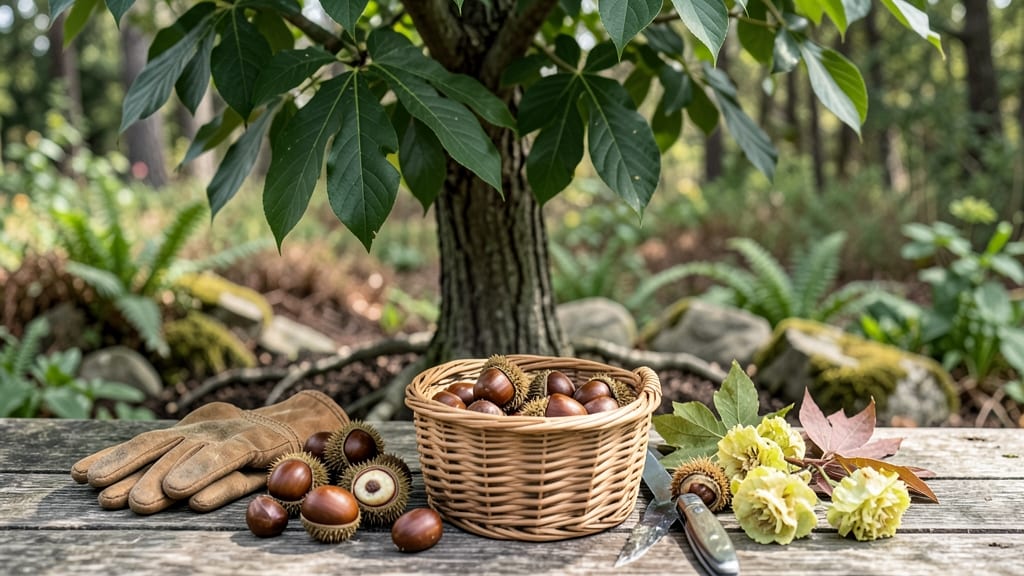
Buckeye tree nuts offer versatile applications, from edible consumption after proper preparation to medicinal uses like pain relief and antiseptic treatments, plus crafting opportunities such as natural dyes and decorative items. Always confirm species safety before use, as some varieties are toxic.
These nuts have been used for centuries in traditional medicine, particularly in Native American and Appalachian folk remedies. 🌿 The seeds contain compounds that can help reduce inflammation when prepared correctly, though they must be thoroughly leached to remove bitter toxins.
For crafts, the glossy shells make stunning jewelry or decorative pieces, while the wood is prized for turning and carving projects.
One key consideration is proper identification—only Aesculus glabra (Ohio buckeye) is safe to eat, while others like Aesculus hippocastanum (horse chestnut) are poisonous. The preparation process involves soaking, boiling, and roasting to neutralize harmful alkaloids, making them safe for snacks or teas.
Beyond practical uses, buckeye trees contribute to ecosystems by providing food for wildlife and shade for gardens. Their unique appearance and hardy nature make them popular in landscaping projects, adding both beauty and function to outdoor spaces.
💡 In This Article
- Toxic vs Edible Buckeye Nuts: Key Identification and Preparation
- Medicinal and Crafting Applications of Buckeye Tree Components
Medicinal and crafting applications of buckeye tree components
The medicinal potential of buckeye tree components lies in their bioactive compounds, particularly saponins and flavonoids found in the bark, leaves, and nuts. These compounds have been traditionally used to create poultices for treating skin irritations, joint pain, and even minor burns.
For example, a paste made from crushed Ohio buckeye leaves (Aesculus glabra) was historically applied to reduce inflammation in muscle strains. The saponins act as natural irritants, increasing blood flow to the affected area, while flavonoids provide antioxidant benefits.
For crafting applications, the glossy brown shells of buckeye nuts are prized for their durability and natural beauty. These shells can be polished to create stunning jewelry, such as earrings or pendants, or used as decorative elements in woodworking projects.
The wood itself is dense and attractive, making it ideal for turning bowls, carving small figurines, or crafting rustic furniture. One unique technique involves using the nuts' shells as natural dyes—when boiled, they produce earthy brown tones perfect for fabric or paper coloring. 🌿
When preparing buckeye components for medicinal or crafting uses, proper handling is essential. For natural dyes, soak the shells in hot water for 4-6 hours to extract the pigment, then strain and use the liquid on fabric.
For medicinal applications, always ensure the buckeye is correctly identified and processed—never consume raw nuts, as they contain toxic alkaloids like aesculin. Traditional methods involved roasting the nuts at 300°F (150°C) for 30-45 minutes to neutralize harmful compounds before grinding them into a powder for topical treatments.
Beyond individual uses, buckeye trees offer sustainable crafting materials that require minimal processing. The seeds can be strung into necklaces or used as beads in larger projects, while the bark provides natural tannins for leatherworking.
One advanced technique involves creating "buckeye ink" by boiling the nuts in water and reducing the liquid to a concentrated form—this ink produces a rich, dark brown color ideal for calligraphy or wood staining.
However, always test small batches first, as reactions can vary based on the tree's age and growing conditions.
For those interested in medicinal applications, it's crucial to understand the difference between internal and external uses. While topical applications (like poultices) are generally safer, internal consumption—even of prepared nuts—should be approached with caution.
Some traditional remedies involved brewing buckeye tea from roasted nuts, but modern research suggests potential liver toxicity risks. Always consult a healthcare provider before using buckeye-based remedies, especially if you have pre-existing conditions or are pregnant.
Crafting with buckeye components also offers educational opportunities, particularly for teaching sustainability. Schools and workshops often use buckeye projects to demonstrate natural resource utilization without harming the environment.
For instance, collecting fallen nuts in autumn provides free, biodegradable materials for art projects, while teaching students about proper tree identification and ethical harvesting practices. This hands-on approach connects participants with nature while fostering creativity through upcycled materials. ✨