
Pests and Diseases
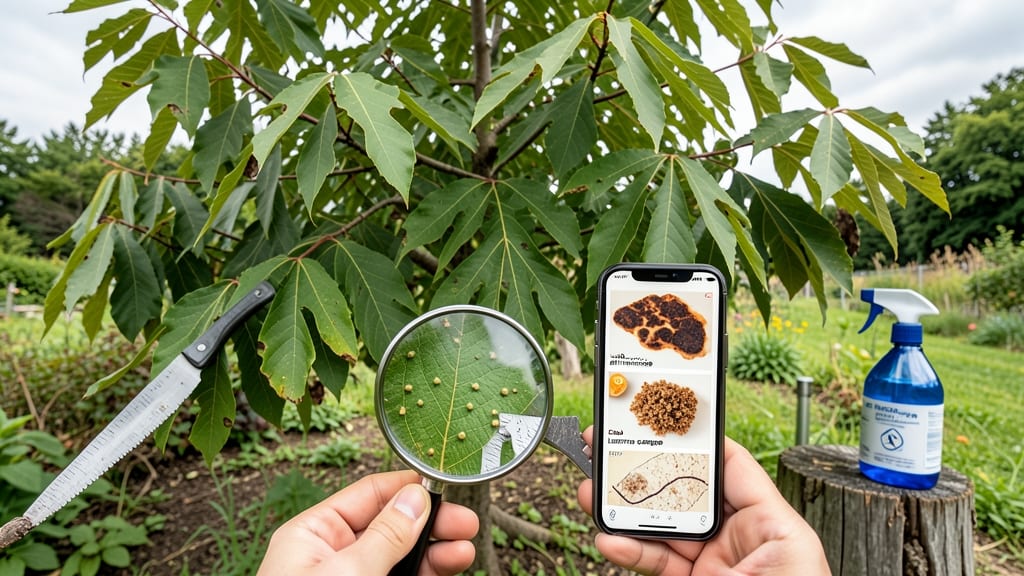
Bumps on pecan tree leaves mean trouble—but you can fix it fast. 🌱 I’ve seen these telltale signs turn into full-blown infestations when ignored, but early action stops the damage before it spreads.
The culprits? Usually spider mites, fungal infections like anthracnose, or even environmental stress from drought or poor drainage.
Spider mites leave tiny yellow bumps and webbing, while fungal spots appear as raised, discolored patches. Check the undersides of leaves first—mite activity and fungal spores love hiding there.
My pecan tree went from struggling to thriving in just 2 weeks after I spotted the bumps early and treated them properly.
You’ll need a strong spray (neem oil for mites, copper fungicide for infections) and consistent monitoring. The key is acting before the bumps multiply—once the tree’s health declines, recovery takes longer. With the right approach, your pecan tree can bounce back stronger than ever.
Works for both young trees and mature ones, and the same principles apply to hickory and walnut trees too. Let’s get your tree back to producing those sweet nuts without the leaf stress.
Root Causes Behind Leaf Bumps
When you spot unusual bumps on your pecan tree leaves, it’s often a sign that something’s disrupting the plant’s natural balance. These irregularities rarely appear by chance—they’re usually triggered by environmental stress, microbial invaders, or hungry pests.
Understanding the why behind these bumps is the first step toward restoring your tree’s health. Below, we break down the most common culprits, their science-backed mechanisms, and what they mean for your pecan tree.
Fungi are among the most frequent offenders when it comes to leaf deformities in pecan trees. Unlike pests that chew or suck sap, fungi infect plant tissues, altering cell growth and triggering abnormal bumps, galls, or lesions.
🔬 How Fungi Cause Bumps
Fungal pathogens like Taphrina (cause of peach leaf curl, but can affect pecans too) or Exobasidium release enzymes that disrupt the tree’s hormonal balance. This forces leaf cells to grow uncontrollably, forming raised, warty, or blister-like bumps. In some cases, the fungus may also:
- Stimulate excess mitosis: Rapid, unregulated cell division creates thickened, puckered areas.
- Trigger gall formation: The tree’s immune response "walls off" the infection, creating hard, bump-like structures.
- Discolor leaves: Fungal hyphae (thread-like structures) block chlorophyll production, leading to yellowing or necrosis around bumps.
🌡️ Environmental Triggers
Fungal infections thrive in:
- High humidity (70%+): Spores splash onto leaves via rain or dew.
- Warm, wet springs: Ideal for spore germination (60–80°F).
- Poor air circulation: Dense foliage traps moisture, encouraging fungal growth.
Pro Tip: 💡 If bumps appear after rainy periods and are accompanied by a white, powdery coating, fungal infection is likely. Scrape a bump gently—if it reveals a fuzzy or slimy layer, confirm your suspicion.
Not all bumps are from fungi—some are the result of insects feeding, laying eggs, or injecting saliva into leaves. These pests don’t just damage leaves; they rewire the tree’s growth patterns.
🦟 Common Culprits and Their Tactics
| Pest | How It Causes Bumps | Visual Clues |
|---|---|---|
| Pecan Nut Curculio | Females drill into leaves to lay eggs; tree reacts by forming hard, raised galls around wounds. | Small, irregular bumps with tiny holes; often near leaf veins. |
| Spider Mites | Inject toxins that trigger cell swelling; leaves develop stippled, bump-like textures. | Tiny yellow/white specks, webbing on undersides, bronze discoloration. |
| Leafminers | Larvae tunnel between leaf layers; tree "seals" the damage with calloused bumps. | Blister-like swellings with visible serpentine trails inside. |
| Scale Insects | Pierce cells to feed; honeydew attracts sooty mold, which darkens and thickens leaf surfaces. | Sticky residue, raised brown/black bumps, yellowing leaves. |
🔥 Why Pests Target Pecans
Pecan trees are particularly vulnerable because:
- Rich sap content: Attracts sap-sucking insects like mites and scale.
- Thick foliage: Provides hiding spots for egg-laying pests.
- Stress from drought/heat: Weakens the tree’s defenses, making it easier for pests to establish.
Pro Tip: 🔥 Inspect the undersides of leaves—many pests (like mites or leafminers) hide there. Use a magnifying glass to spot tiny eggs, webbing, or frass (insect droppings).
Sometimes, bumps aren’t caused by pathogens or pests but by the tree’s response to harsh conditions. Think of it like a bruise—when leaves are damaged, they "heal" by overproducing cells in the affected area.
🌡️ Stress Triggers
- Hail or Wind Damage
- Physical trauma forces the tree to seal off injured cells, creating calloused bumps.
- Look for: Irregular, hard bumps with no discoloration; often clustered in storm-exposed areas.
- Nutrient Deficiencies
- Lack of boron or zinc can cause leaf cells to grow abnormally, leading to rough, bumpy textures.
- Signs: Bumps paired with stunted growth, yellowing between veins (boron), or small, brittle leaves (zinc).
- Extreme Temperature Swings
- Sudden cold snaps or heatwaves disrupt cell metabolism, causing localized growth anomalies.
- Example: Early spring frost can trigger "frost cracks" or blister-like bumps on new leaves.
Pro Tip: ✨ If bumps appear suddenly after a storm or during extreme weather, environmental stress is the likely cause. Check for other stress symptoms like leaf scorch or dieback.
Now that you know the why, the next step is identifying which cause matches your tree’s symptoms. Jump to our diagnostic guide to match bumps to solutions—before they spread!
Fixing Leaf Bumps Fast
Now that you’ve identified the culprit behind those pesky bumps on your pecan tree leaves—whether it’s fungal infections like anthracnose or scab, or pests like mites and aphids—it’s time to take action. The good news?
Most issues can be resolved with targeted treatments and a few preventive tweaks. Below, we’ve mapped out practical, step-by-step solutions tailored to each cause, plus tips to keep your tree thriving long-term.
Fungi like Gloeosporium (anthracnose) or Elsinoë (scab) thrive in damp, crowded conditions. Here’s how to stop the spread and restore your tree’s health:
🔥 Step 1: Prune Infected Branches
- Why? Fungal spores cling to diseased leaves and twigs.
Removing them cuts off the infection source. - How? - Use sterilized pruning shears (wipe with rubbing alcohol between cuts). - Trim all branches with bumpy, discolored, or wilted leaves—cut back to healthy green tissue. - Bag and dispose of infected debris in the trash (not compost). - Pro Tip: 💡 Prune on a dry, sunny day to reduce humidity around fresh cuts.
🍳 Step 2: Apply Fungicide
- Best Options:
- Copper fungicide (e.g., Copper Sulfate or Fixed Copper): Kills fungal spores on contact. Reapply every 7–14 days during wet spells.
- Neem oil (1–2% solution): Natural fungicide + insect repellent.
Spray early morning or late evening to avoid burning leaves. - Sulfur-based fungicides (e.g., Liqui-Cop): Effective for scab but avoid if temps exceed 90°F (can damage leaves). - How to Apply: - Mix fungicide in a sprayer with water (follow label rates). - Cover all leaf surfaces, including undersides where spores hide. - Reapply after heavy rain (fungicides wash off).
🌡️ Step 3: Improve Airflow and Drainage
Fungi love stagnant moisture. Break their habitat with these tweaks:
- Thin out dense branches to allow sunlight and air circulation.
- Rake up leaf litter under the tree (especially after rain).
- Mulch properly: Use 2–3 inches of organic mulch (wood chips, straw) but keep it 6 inches away from the trunk to prevent rot.
- Water at the base (not overhead) to keep foliage dry.
✨ Prevention for Next Season
- Plant resistant varieties (e.g., ‘Desirable’ or ‘Western Schley’ pecan cultivars show better disease resistance).
- Apply preventative fungicide in early spring (before buds swell) and after heavy rains.
- Monitor humidity: Use a dehumidifier in greenhouses or shade cloth if growing pecans commercially.
Mites, aphids, and scale insects weaken trees by sucking sap, leaving behind sticky residue or bumpy galls. Here’s how to evict them for good:
👨🍳 Step 1: Blast Them Off with Water
- Why? Many pests (like aphids) are lightweight and high-pressure water knocks them off.
- How?
- Use a hose with a nozzle (set to a gentle spray) and direct it at leaf undersides and new growth.
- Repeat every 3–5 days for severe infestations.
- Best time: Early morning so leaves dry quickly.
🔪 Step 2: Introduce Natural Predators
- Ladybugs, lacewings, and parasitic wasps eat mites and aphids. Buy them online or attract them with:
- Dill, fennel, or yarrow planted nearby (pest magnets for beneficial bugs).
- Avoid broad-spectrum pesticides (they kill good bugs too!).
🥘 Step 3: Use Targeted Sprays
- For Mites:
- Neem oil (1 tbsp per gallon of water) or horticultural oil (apply when temps are below 90°F).
- Insecticidal soap (spray until leaves glisten; reapply every 5–7 days).
- For Aphids/Scale:
- Spinosad (organic, derived from soil bacteria—safe for bees if used at dusk).
- Systemic insecticide (e.g., Imidacloprid) for severe cases (follow label for soil drench).
⏰ Step 4: Disrupt Their Life Cycle
- Remove egg-laying sites: Scrape off scale insects with a stiff brush or soapy water.
- Prune infested branches (especially on young trees).
- Apply reflective mulch (aluminum foil or silver plastic) around the base—confuses pests and reduces egg-laying.
🎯 Long-Term Pest Control
- Encourage biodiversity: Plant companion plants like marigolds or garlic to repel pests.
- Install sticky traps (yellow or blue) to monitor mite/whitefly populations.
- Inspect trees weekly in spring/summer—catch infestations early!
Regardless of the cause, healthy trees resist problems better.
Follow this quick checklist to keep your pecan tree bump-free: | Task | When to Do It | Why It Works | |-------------------------|----------------------------|-------------------------------------------| | Fertilize | Early spring (before buds swell) | Boosts immunity with balanced NPK (10-10-10) or organic compost. | | Test soil pH | Fall or spring | Pecans prefer slightly acidic (6.0–7.0).
Adjust with lime or sulfur. | | Deep water weekly | During drought | 1–2 inches per week prevents stress. | | Aerate compacted soil | Fall | Improves root health with a manual aerator or gypsum. |
Final Pro Tip: 🌟 When in doubt, test! Send a leaf sample to your local Cooperative Extension Service for a free diagnosis—sometimes the fix is simpler than you think!
Frequently asked questions
Are bumps on pecan leaves always a sign of disease?
Not always! While fungal infections and pests cause most bumps, environmental factors like hail damage or nutrient deficiencies (especially boron or zinc) can also trigger them. Check for other symptoms: fungal bumps often appear after rain and may have powdery coatings, while stress-related bumps usually lack discoloration.
How do I tell if my pecan tree has spider mites or a fungal infection?
Look closely: spider mites create tiny yellow specks and fine webbing on leaf undersides, while fungal infections produce larger, raised bumps with possible powdery coatings. Use a magnifying glass—mites leave stippled damage, while fungi often cause dark spots or blisters. Test by scraping a bump: mites won't leave residue, but fungi will.
Can I use household items like vinegar or baking soda to treat pecan leaf bumps?
Vinegar (1:1 water ratio) can help with fungal issues as a natural fungicide, but it's less effective than copper-based sprays. Baking soda (1 tbsp + 1/2 tsp oil per gallon) works for mild fungal problems but won't eliminate severe infestations. For pests, these won't work—stick to neem oil or insecticidal soap for mites and scale.
Will pruning infected branches alone fix the problem?
Pruning removes the visible damage but won't stop the spread if you don't treat the tree. Always combine pruning with fungicides (for infections) or insecticides (for pests), and sterilize your tools between cuts. Remove infected branches on a dry day to prevent spores from spreading via wind or rain.
How long does it take to see improvement after treatment?
With proper care, you may see new growth in 2-3 weeks, but complete recovery can take 2-3 months for severely affected trees. Consistency is key—reapply treatments every 7-14 days during wet conditions. Monitor leaf undersides weekly for signs of recurrence, especially after rain.