
Pests and Diseases
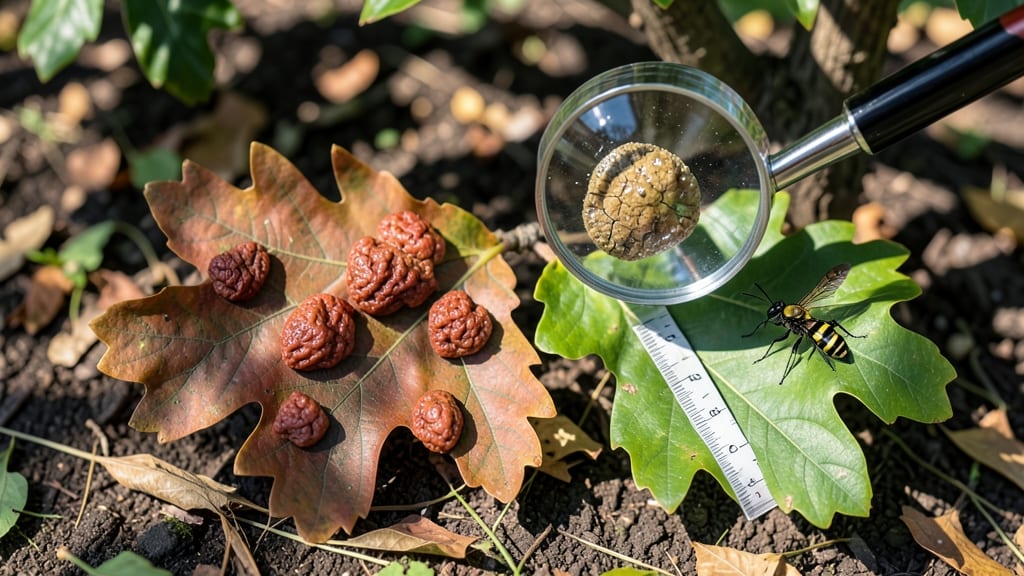
Seeing red bumps on tree leaves can turn your backyard into a mystery zone. 🌳 I’ve spent years diagnosing these puzzles—whether it’s fungal spots, scale insects, or something else—and the key is knowing what to look for first.
That tiny detail (like whether the bumps are sticky or raised) tells you exactly how to act.
The culprits usually fall into three categories: fungal infections that spread like wildfire, sap-sucking pests hiding under the surface, or environmental stress from last summer’s heat. My first step? Magnifying glass in hand, I check for webbing (mite warning), sticky residue (scale alert), or powdery coatings (fungal red flag).
You’ll walk away with a clear plan—whether it’s a simple spray, pruning the worst branches, or adjusting watering habits. The goal is to stop the damage before it spreads to your entire tree. Trust me, early action makes all the difference.
Works for oak, maple, or fruit trees—just adjust based on what you spot. Let’s get that tree healthy again without overcomplicating things.
Underlying Causes Explained
When you spot tiny red bumps on tree leaves, it’s often a sign that something is disrupting your plant’s harmony. These bumps can appear due to a mix of biological stressors, from microscopic invaders to environmental shifts.
Understanding the root cause is key to addressing the issue before it spreads. Let’s break down the most common culprits and why they trigger these unsightly symptoms.
Fungi are the most frequent offenders behind red bumps on leaves. These organisms thrive in moist conditions and can cause spots, lesions, or raised pustules as they feed on plant tissues. Here’s how they work:
- Rust Fungi: These pathogens produce urediniospores—tiny, rust-colored bumps—that burst open to release spores. Common in oaks, pines, and fruit trees, rust fungi weaken leaves by blocking sunlight and nutrients. Look for orange-red pustules on the undersides of leaves.
- Anthracnose: While often causing dark spots, some strains of Colletotrichum or Gloeosporium can create raised, red-tinged lesions with a velvety texture. This fungus thrives in wet, humid climates and targets young leaves.
- Powdery Mildew (Secondary Effect): Though mildew usually appears as white powder, severe infections can lead to reddish, crusty bumps as the fungus interacts with leaf tissues. Prune affected areas immediately to prevent spread.
💡 Pro Tip: Fungal bumps often appear in clusters and may ooze a pinkish or reddish liquid when wet. Collect a sample in a plastic bag and take it to a local extension office for precise identification.
Not all red bumps are fungal—some are the handiwork of sap-sucking insects or their larvae. These pests inject toxins or lay eggs that trigger abnormal growths:
- Spider Mites: While they don’t create bumps directly, their feeding causes stippling (tiny red or brown speckles) and can lead to gall-like deformities as the leaf overreacts to damage. Check for fine webbing on the undersides.
- Scale Insects: These armored pests secrete honeydew, which can attract sooty mold—but their presence also triggers reddish, raised bumps where they cluster. Use a magnifying glass to spot their oval, shell-like bodies.
- Leaf Gall Midge (or Sawfly Larvae): These larvae inject saliva into leaves, causing them to swell into bright red, pouch-like galls. Common in roses, oaks, and willows, these galls are often hairy or spongy to the touch.
- Japanese Beetles: Adult beetles chew leaves, but their larvae (grubs) can create reddish-brown, raised tunnels in roots, indirectly stressing the tree and causing leaf discoloration.
🔥 Warning: If bumps are mobile (like tiny crawling insects) or have visible eggs (tiny white/yellow dots), you’re dealing with a pest—not a fungus. Act fast with neem oil or insecticidal soap for light infestations.
Sometimes, red bumps aren’t caused by pathogens or pests but by physical or chemical stressors that damage leaf cells:
- Sun Scald: Intense sunlight on water-stressed leaves can cause reddish, sunken bumps (similar to blisters). Common in young trees or those recovering from drought.
- Herbicide Drift: Overspray from glyphosate or 2,4-D can create reddish, necrotic bumps along leaf edges. If this is the case, the damage will often be one-sided (facing the spray source).
- Mechanical Damage: Hail, wind, or even lawnmower debris can bruise leaves, leading to reddish, raised calluses as the tree repairs tissue.
- Mineral Deficiencies: Excess manganese or iron in soil can cause interveinal reddening and bumpy textures, especially in acid-loving plants like azaleas.
✨ Quick Fix: For environmental causes, focus on hydration (deep watering 1–2x/week) and mulching to stabilize soil moisture. If herbicide drift is suspected, flush the soil with water to dilute residues.
Less common but serious, bacterial or viral infections can also produce red bumps, often accompanied by other symptoms:
- Fire Blight (Bacterial): Caused by Erwinia amylovora, this disease creates reddish, oozing cankers on leaves and stems. Leaves may curl and appear burnt at the edges.
- Bacterial Leaf Spot: Some strains (like Xanthomonas) produce raised, red-brown pustules with yellow halos. These spots often merge as the infection spreads.
- Tobacco Ringspot Virus: This virus causes reddish, ring-like patterns and stunted growth. Spread by nematodes or infected tools, it’s not treatable—only manageable by removing infected plants.
🎯 Critical Action: Bacterial/viral bumps often ooze when wet or have irregular, water-soaked edges. Do not prune—sterilize tools with 70% rubbing alcohol to avoid spreading the pathogen.
Quick Fixes for Leaf Bumps
If you’ve spotted red bumps on your tree leaves, don’t panic—most issues are treatable with the right approach! The solution depends on the root cause, whether it’s a fungal infection, pest infestation, or environmental stress.
Below, we’ve mapped out practical, step-by-step fixes for each scenario, along with prevention tips to keep your trees healthy long-term.
Fungal infections like anthracnose or rust thrive in damp conditions and can spread rapidly. Here’s how to stop them:
🔥 Remove Infected Leaves & Branches
- 👨🍳 Trim away heavily infected leaves and small branches using sterilized pruners (wipe with rubbing alcohol between cuts).
- ⏰ Do this in dry weather—wet leaves make spores spread faster.
- 🗑️ Bag and discard infected debris far from your yard (not the compost bin!).
🌡️ Improve Airflow & Reduce Moisture
- ✂️ Thin out dense foliage to let sunlight and air circulate.
- 💡 Space trees properly—overcrowding traps humidity.
- 🌧️ Water early in the day so leaves dry before evening.
🎯 Apply Fungicide (If Needed)
- 🍄 Use a copper-based or sulfur fungicide (like Bonide Copper Fungicide) for severe cases.
- ⏰ Follow label instructions—overuse can harm beneficial microbes.
- 🔄 Reapply after rain (fungicides wash off).
💡 Pro Tip: Prevent recurrence by mulching properly (2–4 inches of organic mulch) and avoiding overhead watering.
If mites, aphids, or scale insects are the culprits, early action prevents defoliation.
🔥 Blast Off Pests with Water
- 💦 Use a strong hose spray (40–60 PSI) to dislodge soft-bodied pests like aphids or spider mites.
- ⏰ Do this in the early morning for best results.
- 🌡️ Repeat every 3–5 days until pests vanish.
🍳 Apply Natural or Chemical Controls
| Pest | Solution | When to Apply |
|---|---|---|
| Spider Mites | Neem oil (1 tsp per quart of water) or insecticidal soap | Early morning, avoid direct sun |
| Aphids | Horticultural oil or pyrethrin spray (like Safer’s Garden Spray) | Before pests multiply (spring/fall) |
| Scale Insects | Prune & scrape off (use a stiff brush) + dormant oil spray in winter | Before buds swell (late fall) |
🔄 Monitor & Retreat if Needed
- 🔍 Check leaves weekly—new eggs hatch fast!
- 🎯 If pests return, rotate treatments (e.g., neem oil → insecticidal soap → horticultural oil).
💡 Pro Tip: Encourage predator insects (like ladybugs or lacewings) by planting dill, marigolds, or yarrow nearby!
If bumps are due to heat, cold, or nutrient deficiency, tweak your tree’s growing conditions.
🍳 Fix Nutrient Deficiencies
- 📊 Test soil (use a DIY test kit or send a sample to a local extension office).
- 💪 Add balanced fertilizer (like 10-10-10) in early spring.
- 🍎 For iron/chlorosis issues, use chelated iron (like Ironite).
🌡️ Shield from Extreme Weather
- 🔥 Heat stress? Mulch deeply (3–4 inches) and water deeply 1–2x/week.
- ❄️ Cold damage? Wrap young trees in burlap in winter and avoid late-season fertilizing.
🎯 Improve Drainage
- 💦 If soil is soggy, amend with compost or plant on a slight mound.
- 🌧️ Avoid compacted soil—aerate with a garden fork if needed.
✨ Bonus Tip: Mature trees often handle stress better—prune lightly to reduce shock.
- 🌱 Choose resistant varieties (ask at nurseries for disease-resistant tree types).
- 🍄 Clean up fallen leaves in fall to remove overwintering spores.
- 🐜 Inspect trees monthly—catch problems before they spread!
- 🌿 Boost tree health with proper pruning (remove dead/diseased wood in dormant season).
💡 Final Reminder: Most leaf bumps are manageable—act fast, and your tree will bounce back! If in doubt, consult a local arborist for a second opinion. 🌳💚
Frequently asked questions
Are red bumps on tree leaves always a sign of disease?
Not necessarily! While fungal infections like rust or anthracnose often cause red bumps, they can also result from pest activity (like scale insects) or environmental stress (such as sun scald or herbicide damage). Always check for webbing, sticky residue, or irregular patterns to narrow down the cause.
How do I tell if red bumps are from fungus vs. insects?
Fungal bumps usually appear as clusters of orange-red pustules on leaf undersides and may ooze when wet. Insect-related bumps often have visible crawlers, eggs, or webbing—like spider mites' fine webs or scale insects' shell-like bodies.
Can I use household items to treat red bumps on leaves?
Yes! For mild cases, try a neem oil spray (1 tsp per quart of water) for pests or a baking soda solution (1 tsp baking soda + 1 quart water + drop of dish soap) for fungal issues. Always test on a small leaf area first and reapply every 5-7 days until improvement.
Will pruning help if my tree has red bumps?
Prune only infected branches using sterilized tools (wipe with rubbing alcohol) to prevent spreading. Focus on removing 10-20% of the canopy to improve airflow—this helps both fungal and pest issues. Do this in dry weather for best results.
How long does it take to see improvement after treatment?
For fungal issues, you may see changes in 2-4 weeks with consistent fungicide use. Pest treatments often show results in 7-10 days, but severe infestations may take 3-4 weeks of regular applications. Monitor closely and retreat if symptoms persist.