
Trees
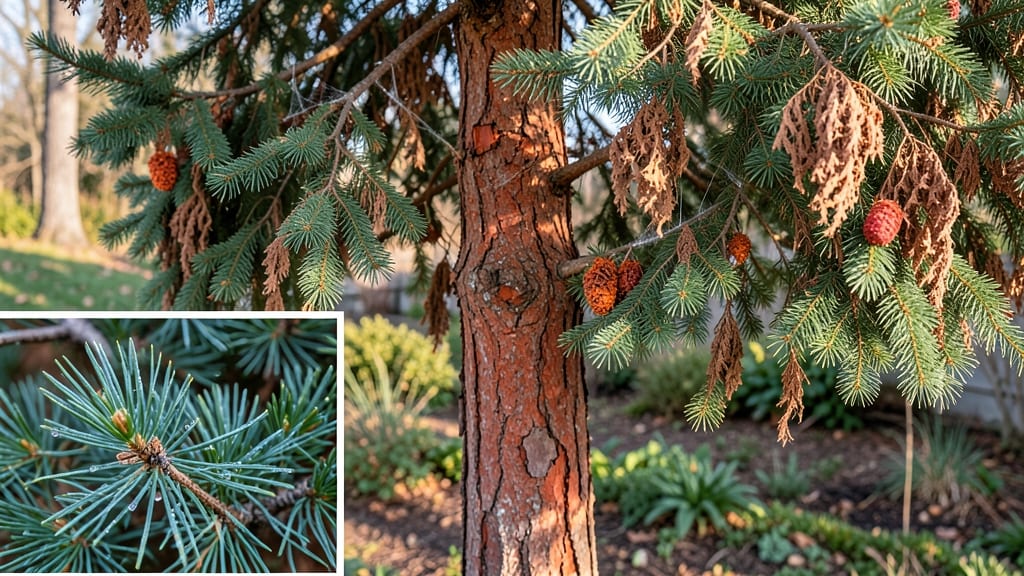
Your cedar tree’s brown leaves are screaming for help—before it’s too late. 🌿 The moment I spotted mine turning crispy, I knew it wasn’t just age or shade; something was wrong.
Whether it’s drought, pests like bagworms, or fungal infections like cedar rust, the fix starts with identifying the exact problem.
First, check the leaves up close: are they dry and brittle, or covered in webbing? Bagworms create silky nests, while cedar rust shows orange pustules. Drought stress leaves foliage dull and brittle, often starting at the tips.
Once you spot the issue, you’re halfway to saving your tree—pruning, targeted treatments, or simply adjusting watering can turn things around.
Within weeks of proper care, you’ll see fresh green needles pushing through. I’ve revived trees that looked dead by addressing the root cause—literally. The key is acting fast before the problem spreads deeper into the branches.
Don’t let this be a one-time fix: regular inspections and seasonal adjustments keep your cedar thriving year after year. Here’s how to diagnose and treat the most common culprits—so your tree stays lush and healthy.
Root Causes Of Browning Leaves
Understanding why your cedar tree’s leaves are turning brown starts with identifying the primary stressors at play. These can range from environmental factors to underlying health issues. Below, we break down the most common culprits—each with clear, actionable explanations to help you diagnose the problem accurately.
Cedar trees are resilient, but prolonged heatwaves or water shortages can cause leaves to brown and crisp. This happens because:
- Water Deficit: When soil dries out, roots struggle to supply moisture, leading to cellular dehydration in leaves. The edges and tips brown first as the tree prioritizes water to younger, inner foliage. - Transpiration Overload: Hot, dry air increases evaporation rates.
Without adequate moisture, leaves lose turgor pressure, turning brittle and brown. - Sun Scorch: Intense midday sun (especially after winter dormancy) can bleach or burn leaves, causing a bronzing or reddish-brown discoloration on exposed surfaces.
💡 Pro Tip: Check soil moisture 2–3 inches deep—if it’s dry, your cedar is thirsty. Mulch with 2–4 inches of organic material (like wood chips) to retain moisture and regulate temperature.
While drought stresses cedars, excessive moisture can be just as damaging. Here’s how it happens:
- Root Suffocation: Waterlogged soil cuts off oxygen, leading to anaerobic conditions that weaken roots. The tree can’t absorb nutrients, causing leaves to yellow before browning. - Fungal Infections: Stagnant moisture invites root rot pathogens (like Phytophthora or Armillaria), which block nutrient flow.
Brown, mushy leaves or premature needle drop are red flags. - Salt Buildup: Over-fertilizing or using hard water can leave sodium or chloride deposits in the soil, burning root tips and foliage.
⚠️ Warning Signs: Look for mushy, foul-smelling soil or leaves that brown evenly across the canopy (not just edges). If the trunk feels spongy at the base, root rot may be severe.
Cedar trees are targets for sap-sucking insects and pathogens that drain nutrients and introduce toxins. Common offenders include:
| Pest/Disease | Symptoms | How It Causes Browning |
|---|---|---|
| Bagworms | Webby bags on branches, skeletonized leaves | Larvae strip foliage, leaving brown, chewed needles behind. |
| Spider Mites | Fine webbing, stippled/bronzed leaves | Pierce cells to feed, causing chlorosis (yellowing) → brown necrosis. |
| Cedar Rust Fungus | Orange pustules on undersides, defoliation | Fungal spores clog stomata, preventing gas exchange and turning leaves brown. |
| Aphids/Scale Insects | Sticky residue (honeydew), curled leaves | Excrete toxins that disrupt photosynthesis, leading to weak, brown foliage. |
🔥 Quick Fix: Spray infested areas with neem oil (for mites/aphids) or Bt (Bacillus thuringiensis) for bagworms. Prune and dispose of infected branches to prevent spread.
Cedars need specific nutrients to maintain vibrant green leaves. Deficiencies manifest as browning due to:
- Nitrogen (N) Shortage: Leaves turn yellow between veins first, then brown if severe.
This is common in poor or sandy soils. - Magnesium (Mg) Deficiency: Brown interveinal patches (between leaf veins) signal chlorosis, as magnesium is key for chlorophyll production. - Iron (Fe) or Manganese (Mn) Lockout: In alkaline soils (pH > 7), these micronutrients become unavailable.
Leaves develop yellowing with brown edges (a "lime-induced chlorosis" pattern).
🌡️ Soil Test First: Use a DIY test kit or send a sample to a lab. If deficient, apply slow-release organic fertilizer (like composted manure) or chelated iron for quick relief.
Mechanical stress from poor pruning, hail, or animal damage can trigger browning:
- Over-Pruning: Removing >25% of foliage at once stresses the tree, causing transpiration imbalances and browning.
- Shearing or Topping: Jagged cuts expose vulnerable tissue to disease and sun scorch, leading to brown, dead patches.
- Animal Browsing: Deer or rabbits may strip leaves, leaving behind ragged, brown-edged foliage.
✂️ Pruning Rules:
- Time it right: Prune in late winter/early spring (before new growth).
- Use sharp tools: Clean cuts 1/4" above a bud prevent disease entry.
- Avoid "topping": Never cut back to a stub—it invites decay.
Revive Your Cedar Tree Now
Brown leaves on your cedar tree don’t have to mean the end of its lush, green glory. With the right approach, you can nurse your tree back to health and keep it thriving.
Below are practical, step-by-step solutions tailored to the most common causes of browning leaves—plus prevention tips to avoid future struggles.
If brown spots, yellowing, or crusty growths appear on leaves or branches, a fungal infection may be the culprit. Act fast to stop the spread.
🔥 Step 1: Prune the Problem Areas
- 🍳 Remove infected leaves and branches using sterilized pruners (wipe with rubbing alcohol between cuts).
- 👨🍳 Cut 6–12 inches below the last sign of infection to prevent reinfection.
- 🥘 Dispose of infected debris in a sealed trash bag—do not compost it!
🔪 Step 2: Apply Fungicide
- 🌡️ Choose a copper-based or neem oil fungicide (organic options work well).
- 🎯 Spray thoroughly on both sides of leaves and branches, focusing on new growth.
- ✨ Reapply every 7–14 days (or as directed) until new growth appears healthy.
💡 Prevention Tips
- Improve air circulation by thinning dense branches.
- 🌧️ Water in the morning to allow foliage to dry quickly.
- 🌿 Mulch properly (2–4 inches deep) to reduce soil-borne fungi.
Yellowing or brown leaves with mushy stems or root rot signs (blackened roots, foul smell) mean your cedar is drowning.
🔥 Step 1: Check the Soil
- 🍳 Dig 6–12 inches deep—if the soil is soggy or smells like rot, drainage is the issue.
- 👨🍳 Test drainage by digging a small hole, filling it with water, and timing how long it takes to drain. Ideal: 1–2 hours.
🥘 Step 2: Adjust Watering Habits
- ⏰ Water deeply but infrequently—cedars prefer dry soil between waterings.
- 🌡️ Let the top 2–3 inches of soil dry out before watering again.
- ✨ If drainage is poor, amend the soil with compost or sand (50/50 mix).
💡 Prevention Tips
- 🌧️ Install a French drain if your yard has heavy clay soil.
- 🌿 Plant cedars on slopes or raised beds to improve natural drainage.
- 🚫 Avoid overhead watering—use drip irrigation or soaker hoses.
Brown, crispy edges on leaves (especially in hot, dry climates) mean your cedar is getting too much sun.
🔥 Step 1: Provide Temporary Shade
- 🍳 Use shade cloth (30–50%) over young or stressed cedars for a few weeks.
- 👨🍳 Move potted cedars to a spot with morning sun + afternoon shade.
🥘 Step 2: Boost Hydration
- ⏰ Water deeply in the early morning (before 10 AM) to reduce evaporation.
- 🌡️ Mulch with 2–3 inches of wood chips to retain moisture.
💡 Prevention Tips
- 🌿 Choose the right location—cedars thrive in full sun but tolerate partial shade.
- 💧 Increase watering frequency during heatwaves (90°F+).
- 🌱 Consider drought-resistant varieties like Thuja occidentalis ‘Sunkist’ if sunburn is recurrent.
Sticky residue, tiny webs, or skeletonized leaves? Pests are likely the cause.
🔥 Step 1: Identify the Pest
- 🍳 Bagworms: Look for small cones covered in silk and frass (poop).
- 👨🍳 Spider mites: Check for fine webbing on leaf undersides.
- 🥘 Scale insects: White or brown bumps on stems/leaves.
🔪 Step 2: Apply Targeted Control
| Pest | Solution |
|---|---|
| Bagworms | 🌡️ Handpick bags (drop in soapy water) or spray Bt (Bacillus thuringiensis). |
| Spider mites | 🎯 Spray with neem oil or insecticidal soap (repeat every 5–7 days). |
| Scale | ✨ Prune heavily infested branches and spray horticultural oil. |
💡 Prevention Tips
- 🌿 Inspect trees monthly during growing season.
- 🐛 Encourage natural predators (ladybugs, lacewings) with native plants.
- 🚫 Avoid broad-spectrum pesticides—they kill beneficial insects too.
No matter the issue, these quick fixes help any struggling cedar bounce back:
- 🍳 Trim dead branches to redirect energy to healthy growth.
- 👨🍳 Feed with slow-release fertilizer (10-10-10 ratio) in early spring.
- 🥘 Avoid heavy pruning—remove only no more than 25% of foliage at a time.
🎯 Pro Tip: If your cedar is severely stressed, consider root feeding with mycorrhizal fungi to boost resilience!
With these solutions, your cedar should regain its vibrant green within 4–8 weeks. Stay consistent, and your tree will thank you with thick, healthy foliage for years to come!
Frequently asked questions
Why are my cedar tree's leaves turning brown in patches?
Patchy browning often signals fungal infections like cedar rust or pest damage from bagworms. Check for orange pustules (rust) or small silky bags (bagworms). Prune infected areas immediately and apply copper fungicide or neem oil for organic control.
Can overwatering cause cedar leaves to turn brown?
Yes! Waterlogged soil leads to root rot, which blocks nutrient uptake and causes leaves to brown—especially if the soil smells foul or feels mushy. Let the top 2-3 inches dry between waterings and improve drainage with compost or sand.
How do I tell if my cedar's browning is from drought or pests?
Drought causes crispy, dry edges (starting at leaf tips), while pests leave skeletonized leaves (bagworms) or sticky residue (aphids). Shake branches over white paper—visible pests confirm infestation.
Will my cedar tree recover if I prune the brown leaves?
Pruning helps, but it’s a symptom fix, not the cure. Remove only dead/diseased branches (never >25% at once) to avoid stress. Address the root cause (water, pests, or nutrients) first—new growth should appear in 4-8 weeks with proper care.
Is it too late to save my cedar if most leaves are brown?
Not necessarily! If the trunk is firm and roots are healthy, your cedar can regrow. Focus on reviving roots with mycorrhizal fungi, adjusting water, and treating pests. Young cedars recover faster than mature ones.