
Blooming
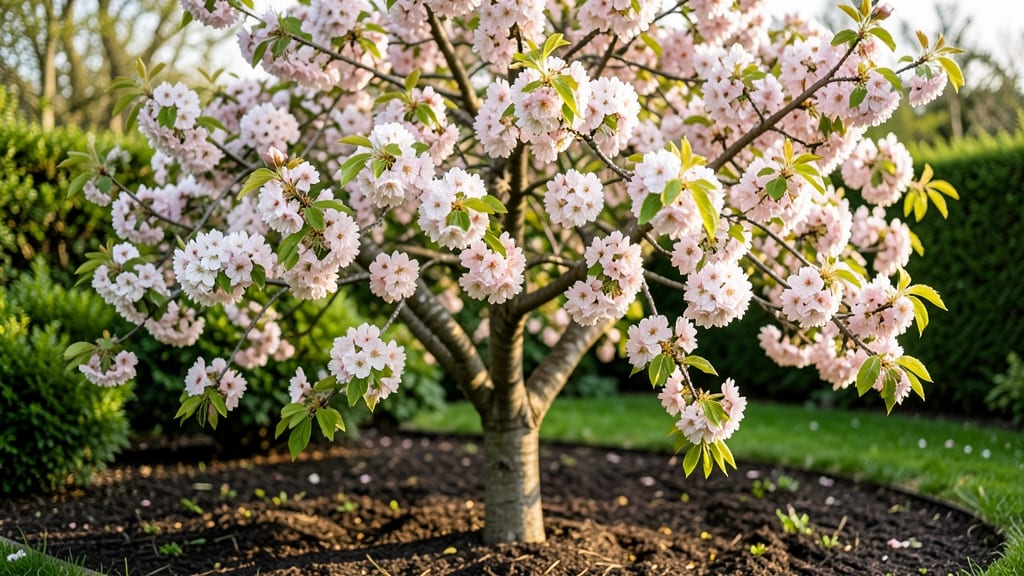
Your cherry tree’s bloom time depends on the variety, climate, and care — and knowing it means you can plan picnics, pruning, and harvests with confidence.
Picture this: the first hint of pink peeking through the buds, the scent of blossoms filling the air, and the promise of sweet fruit just months away. But timing isn’t just about luck—it’s about understanding your tree’s needs and your local conditions.
In USDA Zone 6a, for example, most cherry trees burst into bloom between late April and early May, but a late frost or a warm winter can shift that window by weeks.
Whether you’re growing a sweet Prunus avium for fruit or an ornamental Prunus serrulata for show, the right preparation makes all the difference. Learn how to read your tree’s signals, adjust care for early or late bloomers, and protect those delicate flowers from unexpected weather.
By the end, you’ll predict your cherry tree’s bloom time like a pro—and enjoy the rewards of a perfectly timed harvest.
From variety-specific timelines to seasonal care tips, this guide covers everything you need to set your cherry tree up for success. Ready to turn those buds into blooms—and eventually, into cherries?
How climate and variety affect cherry tree bloom time
Predicting when your cherry tree will bloom isn’t just about luck—it’s a mix of climate science and variety traits. Whether you’re growing sweet Bing cherries or ornamental Prunus serrulata, understanding these factors helps you time everything from pruning to harvest prep.
Let’s break down what controls bloom timing and how to work with it.
Your USDA hardiness zone plays a huge role. Trees in Zone 5 (like Minnesota) often bloom 2–3 weeks later than those in Zone 9 (like Southern California). This delay happens because chill hours—the number of hours below 45°F a tree needs to break dormancy—vary widely.
For example, Stella cherries require 800–1,000 chill hours, while Rainier cherries thrive with just 500–700.
| Variety | Chill Hours Needed | Bloom Window (US) | Ideal USDA Zones |
|---|---|---|---|
| Bing | 600–800 | Late April–Early May | 5–9 |
| Stella | 800–1,000 | Mid-April–Mid-May | 6–8 |
| Rainier | 500–700 | Early April–Late April | 5–7 |
| Montmorency (sour) | 900–1,100 | Early May–Early June | 4–8 |
| Prunus serrulata (ornamental) | 300–500 | March–April | 5–9 |
*Bloom windows vary by microclimate and yearly weather.
Temperature swings can delay or accelerate blooming. A sudden warm spell in winter might trick your tree into blooming early, only to be hit by a late frost that damages flowers. Conversely, a cool spring can stretch out bloom time.
In my Zone 7 garden, I’ve seen Bing cherries bloom as early as late March in mild years but push back to May after a harsh winter.
Not all cherry varieties bloom at the same time. Early bloomers like Rainier often flower in March or April, while late bloomers like Stella wait until May.
This difference matters if you’re planting multiple trees for cross-pollination. For example, pairing Bing (early) with Stella (late) ensures overlapping bloom periods for better fruit set.
Regional bloom calendars help narrow it down. In the Pacific Northwest, cherry blossoms peak in late April, while the Southeast sees blooms as early as February.
Use local cooperative extension services or phenology networks (like the USA National Phenology Network) to track bloom dates in your area. I’ve used these tools to adjust my pruning schedule and protect blossoms from late frosts.
If your tree isn’t blooming on time, check these three factors:
- Age: Most sweet cherries take 3–5 years to bloom after planting.
- Health: Nutrient deficiencies (like low zinc) or pests (such as borers) can delay blooms.
- Location: Poor drainage or shade stress can push back flowering.
Pro tip: Thin fruit after blooming to improve size and quality. Wait until petals fall and small fruits form—then remove 50% of the crop to reduce competition. I thin my Bing cherries in early June, which gives me larger, sweeter fruit by harvest time.
For ornamental cherry trees (like Prunus serrulata), bloom time is all about visual impact. These trees often flower in March or April, making them perfect for spring garden displays.
Just be aware that their short bloom window (usually 1–2 weeks) means you’ll want to pair them with early bulbs (like daffodils) for extended color.
Remember, patience is key. Even with the best conditions, some years will be earlier or later due to weather variability. Keep a garden journal to track your tree’s bloom dates over time—it’s the best way to predict future seasons.
With these insights, you’ll be ready to celebrate (and protect) your cherry tree’s annual spectacle every spring. 🌸
5 Signs your cherry tree is about to bloom (and what to do next)
Spring is the star of the show for cherry trees, but spotting the first signs of bloom requires a keen eye. If you’ve ever missed the window to protect blossoms from late frosts or prepare for harvest, this checklist will help you stay ahead.
I’ve learned the hard way—when I ignored these cues, a surprise frost wiped out my Stella cherry blossoms before they even opened!
Timing is everything, especially when your tree’s flower buds are vulnerable. The key is observing subtle changes in bud appearance, scent, and even the tree’s overall energy. Once you recognize these 5 telltale signs, you’ll know exactly when to prune, protect against frost, or start watching for fruit development.
🌸 5 Signs Your Cherry Tree Is About to Bloom
- 1 Leaf buds swell and plump up (March-April in most zones). Unlike dormant buds, they’ll feel firm but flexible, not hard.
- 2 Flower buds turn pink (from green to pale pink in 7–10 days). This is your 3-week warning before bloom.
- 3 Sweet almond scent fills the air (1–2 days before opening). If you smell it, bloom is imminent—time to check frost forecasts!
- 4 Bud scales separate (like a tiny rosebud peeking out). This happens 48 hours before bloom—your last chance to protect from frost.
- 5 Leaves begin unfurling (but blossoms open first). This confirms peak bloom is 3–5 days away.
Once you spot these signs, act fast. If your tree is younger than 5 years, prioritize light pruning to improve airflow—this reduces disease risk during the wet bloom season. For mature trees, thin out crowded branches to prevent fruit rot later.
After bloom, shift focus to fruit development. Thin clusters to 6–8 cherries per stem—this ensures larger, sweeter fruit. I learned this the hard way when my Bing cherries stayed tiny because I didn’t thin them. Now, I mark stems with twist ties to track progress!
Keep an eye on late frosts, which can devastate blossoms. If frost is forecasted, cover your tree with frost blankets or even old bedsheets (secure them tightly!). I’ve saved entire harvests this way—don’t let a few degrees ruin your season.
Finally, celebrate the first pink petals! This is your cue to start harvest planning. Most sweet cherries ripen in 8–10 weeks after bloom, while sour varieties take slightly longer. Mark your calendar now—you’ll want to be ready with harvest bins and bird netting!