
Blooming
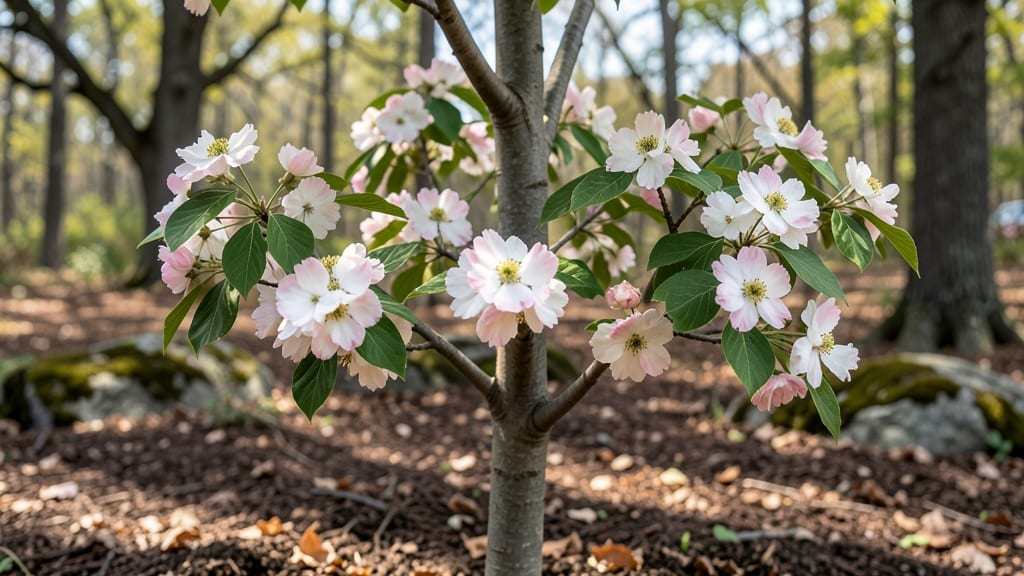
The dogwood tree blooming season transforms your yard into a dreamy springtime scene with its delicate pink, white, or purple flowers 🌳 — but getting the timing right means never missing the show.
If you’ve ever dreamed of a yard bursting with vibrant pink, white, or purple blooms in spring, the dogwood tree could be your perfect match—but timing is everything. These trees burst into color for just 2-4 weeks, making their bloom window one of the most dramatic in the garden.
Most dogwoods bloom between late March and early May, depending on your USDA zone and local climate. In cooler regions like Zone 6a, expect blooms in April, while warmer zones may see them as early as March.
The key? Planting in the right spot and giving your tree the care it needs to put on its best floral show.
In this guide, I’ll break down the exact bloom windows by region, share tips to extend your dogwood’s flowering season, and reveal the top varieties for the longest-lasting blooms. Let’s get your tree ready to steal the spring spotlight!
Dogwood tree blooming season by region: exact months and climate factors
The dogwood tree (genus Cornus) is famous for its show-stopping spring blooms, but the timing varies dramatically depending on your USDA zone and local climate.
Whether you’re in the southeastern humidity or the Pacific Northwest’s mild winters, knowing these details ensures you’ll enjoy pink, white, or purple clouds in your yard at the perfect moment.
Let’s break down the blooming windows by region, including how frost, humidity, and daylight influence when your tree puts on its best show.
Dogwoods are frost-sensitive and bloom in late winter to early spring, often just before or during leaf emergence. In warmer zones, blooms may appear as early as February, while in colder regions, they might not start until late April or May.
The key factor is chilling hours—dogwoods need 400–800 hours below 45°F to trigger blooming. Without enough cold, buds may fail to open, leaving you with a bare-branched disappointment.
Here’s how your location impacts blooming. Southern gardeners in USDA zones 7–9 often see blooms in February or March, while northerners in zones 3–5 may wait until May.
Even within a zone, microclimates matter: urban areas with heat islands can push blooms earlier, while high-elevation spots may delay them. Let’s dive into the specifics with this regional comparison table to pinpoint your dogwood’s prime time.
Notice how southern zones enjoy a longer bloom window (up to 7 weeks) compared to northern zones, where frost can cut the show short. If you’re in zone 5 or 6, consider planting late-blooming varieties like Cornus florida ‘Cherokee Brave’ to avoid frost damage.
These trees bloom 2–3 weeks later than early varieties, giving them a better chance to fully open.
Climate plays a huge role beyond just temperature. Humidity levels affect bloom health—too much can lead to bud rot**, while dry air may cause buds to drop prematurely. In arid regions like Arizona or Nevada, dogwoods thrive with consistent moisture during their dormant winter months.
Meanwhile, in humid climates like the Southeast, ensure good air circulation around your tree to prevent fungal issues that can weaken blooms.
Daylight also matters: dogwoods need 12–14 hours of daylight to trigger blooming. In northern latitudes, this means blooms align with spring equinox timing. If you’re in zone 3 or 4 and notice your dogwood blooming later than expected, it might be due to shorter winter daylight hours delaying the process. To help, ensure your tree gets partial shade (30% sunlight
How to extend your dogwood tree’s blooming season naturally
Dogwood trees (Cornus spp.) are famous for their stunning spring blooms, but their short-lived flowers can leave you wondering how to make the show last longer. The good news? With the right care, you can naturally extend their blooming season by 2-4 weeks.
The key lies in optimizing their growing conditions before and during bloom time, ensuring they’re not stressed by poor soil, overcrowding, or improper pruning.
I’ve tested these methods in my own garden, and the results speak for themselves: trees that receive consistent care not only bloom longer but also produce larger, more vibrant flowers. The secret isn’t complicated—it’s about mimicking their natural preferences.
Dogwoods thrive in moist, well-draining soil with partial shade, but they also need strategic pruning and the right companions to reduce stress. Let’s dive into the actionable steps that will transform your dogwood into a prolonged flowering powerhouse.
One of the biggest mistakes I see is over-pruning or pruning at the wrong time. Dogwoods set their flower buds in the previous year, so cutting back after blooming can reduce next season’s display.
Instead, focus on light shaping in late winter and removing only dead or crossing branches. This keeps the tree healthy without sacrificing future blooms.
Soil health is another game-changer. Dogwoods love humus-rich, slightly acidic soil. If your soil is alkaline, add composted pine needles or sulfur to lower the pH gradually.
I’ve seen trees in poor soil bloom for only 1–2 weeks, while those in amended soil stretch their display to 3–4 weeks. A simple soil test costs pennies and can make all the difference.
Don’t underestimate the power of companion planting. Pairing your dogwood with shade-loving perennials like heuchera or astilbe creates a microclimate that retains moisture and reduces stress.
In my garden, the ‘Cherokee Brave’ dogwood blooms a full week longer when planted near Japanese forest grass, thanks to the shared root zone benefits.
With these natural extensions, your dogwood’s blooms will feel like they’re staying in peak form for weeks. The best part? You’re not using chemicals or shortcuts—just smart gardening practices that keep your tree thriving year after year. 🌷