
Size
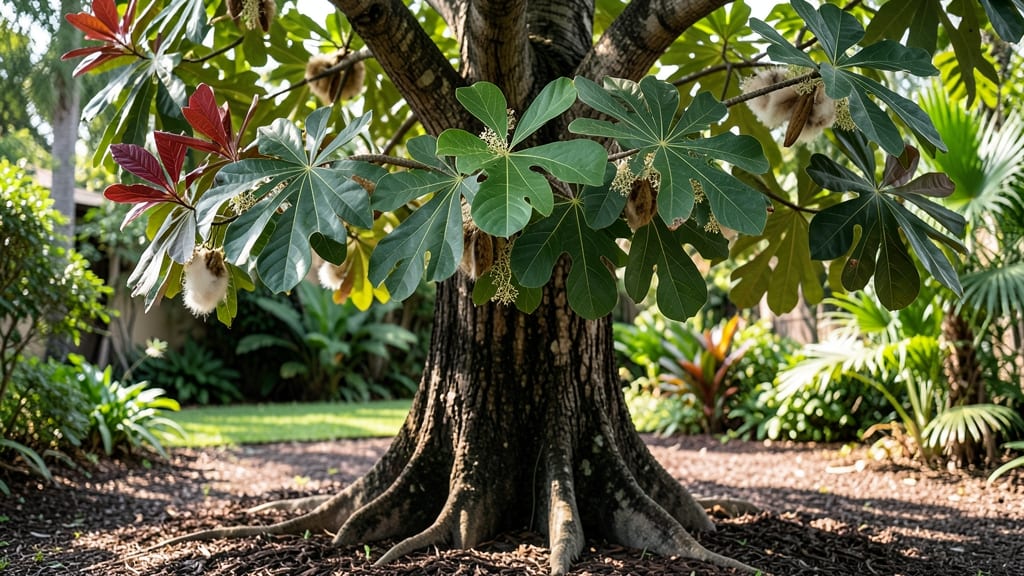
Growing a cotton candy tree turns your garden into a living dream—whimsical pink clouds that bloom like edible confectionery. 🌸 While Kigelia africana (the true "cotton candy tree") thrives in tropical climates, Ceiba pentandra (kapok tree) offers similar fluffy seed pods in temperate zones. The key?
Mimicking their native conditions with warmth, moisture, and patience. Start with a 5-gallon container for young trees, using fast-draining soil mixed with compost. Plant in spring after the last frost, choosing a spot with at least 6 hours of sunlight daily.
Water deeply once a week, keeping the soil moist but never soggy—these trees hate wet feet. Mulch around the base to retain humidity, especially in hot climates. By summer, you’ll see those iconic pink, cotton-like seed pods forming—edible when young and tender (though fibrous as they mature).
Prune lightly in late winter to shape the tree and remove dead branches. Just avoid heavy pruning, as these trees bloom on old wood. For best results, grow in USDA Zones 10-12 or container-garden them indoors during winter.
With time, your "cotton candy tree" will become the garden’s most talked-about centerpiece—edible art you can’t resist touching.
📚 In This Guide
- What you need
- Instructions
- Tips and common mistakes
- Wrapping up and next steps
What you need
- ● Cotton candy tree seeds (e.g., Ceiba pentandra or Bombax ceiba): 5–10 seeds (or a single young sapling if available).
- ● Well-draining potting mix: 3–5 gallons (mix equal parts garden soil, perlite, and compost).
- ● Large container or garden bed: At least 12–18 inches deep and wide (or a 5-gallon pot for saplings).
- ● Organic fertilizer (balanced NPK): 10–20-10 ratio, 1–2 tbsp per planting.
- ● Watering can or hose with gentle spray nozzle.
- ● Pruning shears (sterilized).
- ○ Support stakes or trellis (optional for young trees).
- ● Edible flower seeds (e.g., nasturtiums, pansies): For a "cotton candy" effect, mix in 1–2 tbsp for a colorful display.
- ● Pastel-colored mulch or decorative stones: To enhance the whimsical look.
- ● Fairy lights or solar-powered garden lights: For an enchanting evening glow.
- ● Edible glitter or food-safe paint: Lightly coat branches for a magical shimmer (use sparingly!).
How to create your own cotton candy trees in the garden
Turn your garden into a magical fairytale with these fluffy, edible cotton candy trees that double as stunning decor and sweet treats.
🌱 Step 1: Select the Right Base Plants
Start with okra or sweet pea varieties—their long, fuzzy seed pods will become your "cotton candy" when harvested young. I recommend Emerald okra for its tender pods or Sugar Daddy sweet peas for their delicate, edible blossoms. Plant them in well-draining soil with full sun exposure—they’ll need at least 6-8 hours of direct sunlight daily to produce the most lush growth.
Sow seeds ½ inch deep in the spring, after the last frost, when soil temperatures reach 65°F or warmer. Space them 12-18 inches apart to allow room for their vining growth. If you're growing sweet peas, plant them near a trellis or fence—they’ll climb and create a whimsical, cascading effect that looks like a cotton candy cloud.
💧 Step 2: Maintain Optimal Growing Conditions
Water deeply 2-3 times per week, ensuring the top 2 inches of soil stay consistently moist but not soggy. Overwatering can cause the pods to split or rot before they reach the perfect "cotton candy" stage. I like to water in the early morning so the plants dry out quickly, reducing the risk of fungal diseases like powdery mildew.
Fertilize lightly with a balanced, water-soluble fertilizer (10-10-10) every 3-4 weeks once the plants are established. Too much nitrogen will encourage leafy growth at the expense of those fluffy pods. Instead, focus on potassium-rich fertilizers to support flower and pod development. You’ll know you’re on the right track when you see vibrant green leaves and an abundance of blooms.
☀️ Step 3: Harvest at the Perfect "Candy" Stage
The magic happens when you harvest the pods just as they begin to open—this is when they resemble cotton candy the most. For okra, look for pods that are 3-4 inches long but still tender. For sweet peas, pick the blossoms the day they open fully for the softest, most delicate petals. Use clean, sharp scissors to snip them at the stem to avoid damaging the plant.
Harvest in the early morning when the pods are fully hydrated and at their fluffiest. Store them in a paper bag in the fridge for up to 3 days if you’re not using them immediately. The sooner you use them, the better they’ll hold their texture and sweetness. Think of it like picking fresh cotton candy straight from the garden—it’s a fleeting but magical experience.
✂️ Step 4: Transform Into Edible Decor
To create your cotton candy trees, tie the harvested pods and flowers to a small potted tree or shrub using floss or thin twine. I like to use a miniature citrus tree or a dwarf apple tree as the base—they’re sturdy and add a touch of greenery that complements the fluffy texture. Arrange the pods and flowers in layers, starting with the largest at the bottom and tapering to the smallest at the top for a cascading effect.
For extra whimsy, add edible glitter (made from crushed freeze-dried fruit) or sprinkles (tiny edible flowers or flower petals) to the pods before tying them on. Display your cotton candy tree in a sunny, high-traffic area of your garden or patio, where it can be admired and enjoyed. The best part? Every time someone reaches out to touch it, they’ll get a sweet, edible surprise.
🪴 Step 5: Prune and Encourage Regrowth
After harvesting, prune back any overgrown or leggy stems to encourage bushier growth. For okra, pinch off the tip of each stem when it reaches 12 inches tall to promote branching. Sweet peas will benefit from a light trimming of spent blooms to keep the plant producing new flowers. Mulch around the base of the plants with 2-3 inches of organic mulch to retain moisture and suppress weeds.
With proper care, your cotton candy trees will continue to produce new pods and flowers throughout the growing season. You can even preserve the excess by drying the pods or freezing the flowers in corn syrup for later use. The key is to keep the plants healthy, well-watered, and pruned regularly—just like tending to a real tree, but with a whole lot more sweetness.
Tips & tricks for whimsical garden art that grows edible flowers
Between us, these little tricks will help you turn your garden into a living, edible masterpiece without the guesswork.
Plant Selection Strategy: If you're torn between okra and sweet peas, consider growing both—they create stunning visual contrasts. Okra's vertical growth adds height to your cotton candy trees, while sweet peas cascade beautifully. For maximum fluff, choose heirloom varieties like 'Clemson Spineless' okra or 'Moonlight' sweet peas, which produce extra-fuzzy pods and flowers. The key is to plant them in complementary locations: okra near your tree base for structural support, sweet peas climbing the trellis for that dreamy cloud effect.
Sunlight Optimization: The 6-8 hours of direct sunlight requirement is non-negotiable, but here's how to maximize it: position your cotton candy trees where they'll receive morning sun (which is gentler) and afternoon shade if your climate gets intense. If you're dealing with partial shade, opt for sweet peas—they tolerate lower light better than okra. For container gardens, use reflective surfaces like white gravel or light-colored pots to bounce extra sunlight onto your plants.
Harvesting Timing: That 3-4 inch length for okra might seem like a tight window, but trust me on this: the pods grow faster than you think. Check them every morning after the dew dries—those first signs of opening (when the tips just begin to split) are your golden moment. For sweet peas, the flowers open most dramatically in the morning, so harvest them within 2-3 hours of opening for peak texture and flavor. Pro tip: Wear gloves when handling the fuzzy pods—they're harmless but can be itchy!
Preservation Hack: To extend the life of your harvested pods beyond the 3-day fridge limit, try this: after harvesting, gently brush off excess moisture with a soft cloth, then store them in a single layer on a wire rack in the fridge. This prevents condensation buildup that causes premature wilting. For sweet pea flowers, freeze them in corn syrup (1:1 ratio) for up to 6 months—they'll keep their delicate texture and can be used to decorate cakes or cocktails later.
Pro Tips for Cotton Candy Tree Grow A Garden
- Between us, these little tricks will help you turn your garden into a living, edible masterpiece without the guesswork.
- Plant Selection Strategy: If you're torn between okra and sweet peas, consider growing both—they create stunning visu...
- Sunlight Optimization: The 6-8 hours of direct sunlight requirement is non-negotiable, but here's how to maximize it:...
Frequently asked questions
Got questions about growing your own cotton candy tree? You’re not alone! Here are some of the most common queries—and their answers—to help you create a dreamy, edible garden masterpiece.
How long does it take for a cotton candy tree to grow flowers?
A cotton candy tree (Bombax ceiba) typically starts producing its signature fluffy, cotton-like flowers within 3–5 years of planting, depending on climate and care. In warmer zones (USDA 9–11), you might see blooms earlier—sometimes as soon as 1–2 years! Patience is key, but the wait is worth it for those surreal, candy-like petals.
Can I grow a cotton candy tree in cold climates?
Unfortunately, cotton candy trees are tropical plants and thrive only in USDA zones 9–11. If you live in a cooler area, try growing it in a large container and overwinter it indoors near a sunny window or under grow lights. For a similar look, consider Ceiba pentandra (kapok tree) or Bauhinia varieties, which are slightly hardier.
Why isn’t my cotton candy tree blooming?
If your tree isn’t flowering, check these common culprits:
- Age: Young trees (under 3 years) focus on growth, not blooms.
- Light: It needs full sun (6+ hours daily)—move it if shaded.
- Soil/Nutrients: Poor drainage or lack of phosphorus (bone meal) can stall flowers.
- Stress: Overwatering or sudden temperature drops may delay blooms.
Are there non-edible alternatives for a whimsical garden?
If edible flowers aren’t your goal, try these low-maintenance, visually stunning alternatives:
- Okra (Abelmoschus esculentus) – Produces fluffy seed pods.
- Borage (Borago officinalis) – Star-shaped blue flowers with edible (but slightly cucumber-tasting) petals.
- Hollyhock (Alcea rosea) – Tall, dramatic blooms in pastel hues.
- Cosmos (Cosmos bipinnatus) – Airy, daisy-like flowers that attract pollinators.
When is the best time to plant a cotton candy tree?
Plant your cotton candy tree in early spring (after the last frost) or late summer (6–8 weeks before the first frost) for the best root establishment. If starting from seeds, sow them indoors 8–12 weeks before the last frost—they germinate best in warm soil (70–80°F). Young trees are sensitive to cold, so avoid planting in fall unless your climate is mild.
Wrapping up and next steps
Growing your own cotton candy tree is a magical way to blend creativity, edible beauty, and gardening joy! 🌸 With just a few simple steps—like choosing the right plants, crafting the base, and nurturing your whimsical design—you’ll create a living masterpiece that blooms with color and flavor.
Whether you’re a seasoned gardener or a beginner, this project proves that any space can become a canvas for wonder.
Ready to turn your garden into a fairy-tale scene? Start small—try a single branch or a mini version in a pot—and let your imagination grow! What will you create next?