
Pruning
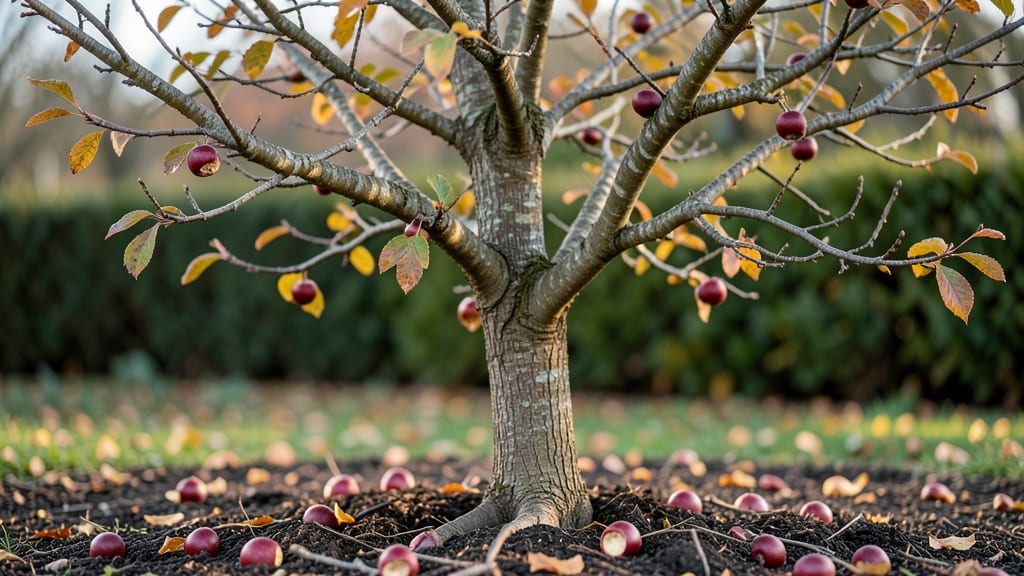
Fall pruning your crabapple tree unlocks vibrant spring blooms you’ll envy. 🌿 While most trees get pruned in winter, late-season trimming works wonders for crabapples—just avoid cutting after October when pests lurk. The right cuts now shape next year’s flowers while keeping the tree healthy through winter’s chill.
Here’s the key: remove dead wood first, then thin crowded branches to improve airflow. Crabapples reward precision—every cut should aim for an outward-facing bud. I’ve seen trees go from sparse blooms to bursting with blossoms after just one fall pruning session.
The best part? You’ll harvest fewer fallen fruits next spring too.
Timing matters most—wait until leaves start yellowing but before hard frost sets in. A sharp pruner and a clean cut make all the difference. You’ll notice stronger branches by spring, ready to support heavy blossoms without sagging. Plus, fewer fallen apples mean less cleanup later.
Works for any crabapple variety, from dwarf cultivars to full-sized trees. Just skip heavy pruning—save that for late winter. Your tree will thank you with showstopping blooms come spring.
📚 In This Guide
- What you need
- Instructions
- Tips and common mistakes
- Wrapping up and next steps
What you need
- ● Pruning shears: Bypass pruners (for cuts up to ½ inch thick) – 1 pair (look for sharp, ergonomic handles).
- ● Loppers: For branches ½ to 1½ inches thick – 1 pair (choose anvil or bypass style with a comfortable grip).
- ● Pruning saw: For larger branches (1½+ inches) – 1 handheld or folding saw (curved blade for smoother cuts).
- ● Ladder: Extendable or step ladder (height depends on tree size) – 1 (ensure it’s stable and rated for your weight).
- ● Work gloves: Heavy-duty, cut-resistant – 1 pair (protects hands from thorns and sharp tools).
- ● Safety glasses: ANSI-rated – 1 pair (prevents debris injuries).
- ● Rubbing alcohol or disinfectant wipes: – small bottle or pack (sanitizes tools between cuts to avoid disease spread).
- ● Tree wound dressing: (e.g., Tanglefoot or pruning sealant) – small tube (controversial but useful for large cuts in some climates).
- ● Extension pole pruners: – 1 (for high branches without a ladder).
- ● Marking spray or twine: – small bottle or spool (to tag branches for removal).
- ● Wheelbarrow or tarp: – 1 (for hauling debris away efficiently).
- ● First-aid kit: – small (just in case of scrapes or thorn pricks!).
- ● Check local regulations: Some areas restrict pruning during specific seasons or require permits for large trees.
- ● Weather forecast: Aim for a dry, calm day (avoid wind or rain to prevent slipping or disease spread).
- ● Tree health assessment: Inspect the crabapple for diseased or dead branches before starting—these should be prioritized for removal.
Instructions for late-season crabapple tree pruning
Fall is the perfect time to shape your crabapple tree for next year’s showstopping blooms.
🌿 Step 1: Assess the Tree for Dead or Damaged Branches
Start by examining your crabapple tree from all sides. Look for branches that are completely brown, brittle, or show signs of disease like fungal spots or oozing sap. These are the first to go—they’re dead weight that weakens the tree. I like to use a small pruning knife to gently scrape a small section of bark on suspicious branches. If the wood underneath is dark and crumbly, it’s dead and needs removal.
Next, check for branches that are crossing or rubbing against each other. These create wounds that invite pests and disease. You’ll spot them easily—they often have rough, torn bark where they touch. Mark these with a piece of twine or flagging tape so you don’t miss them during pruning. This step ensures your tree stays healthy and strong for spring.
✂️ Step 2: Remove Weak or Overcrowded Growth
Focus on branches that grow inward toward the center of the tree or upward instead of outward. These compete for sunlight and nutrients, leaving your crabapple looking sparse. I aim to create an open, vase-like shape that lets light and air circulate freely. Start with the smallest branches first—these are easier to remove and won’t leave large, unsightly stubs.
Use sharp, clean pruning shears to make cuts just outside the branch collar, the swollen area where the branch meets the trunk. Avoid leaving stubs, as they can rot and attract pests. If a branch is larger than 2 inches in diameter, use a pruning saw for a clean cut. Step back occasionally to visualize the tree’s shape—you’re sculpting, not hacking.
☀️ Step 3: Thin Out Excessive Leafy Growth
Crabapple trees often put on a flush of new growth in late summer or early fall. While this isn’t harmful, too much leafy growth can drain the tree’s energy before winter. Focus on thinning out branches that are growing too densely, especially near the outer canopy. Your goal is to reduce leaf density by about 20-30% while maintaining the tree’s natural shape.
Look for clusters of small branches growing close together. Select the weakest or smallest branch in each cluster and remove it completely at its point of origin. This encourages stronger growth from the remaining branches. Avoid heavy pruning now—you’re not shaping the tree for winter, just giving it a light trim to prepare for dormancy.
⏰ Step 4: Clean Up and Apply Protective Measures
After pruning, rake up all fallen leaves and debris from under the tree. This prevents fungal spores from overwintering and infecting your tree in spring. I also like to apply a 2-3 inch layer of mulch around the base of the tree, keeping it 6 inches away from the trunk to avoid suffocating the roots. Use organic mulch like shredded bark or wood chips.
Finally, disinfect your pruning tools with a 10% bleach solution (1 part bleach to 9 parts water) to kill any lingering bacteria or fungi. Store tools in a dry place until next season. This final step ensures your tree enters winter in the best possible condition, ready to burst into bloom come spring.
Tips & tricks for perfect late-season crabapple tree pruning
Fall pruning transforms your crabapple tree into a spring blooming powerhouse—here's how to avoid common mistakes and get it right the first time.
Branch Assessment: When testing branches in Step 1, focus on the bark's texture rather than just color. Healthy bark should be smooth and slightly flexible, while dead wood feels dry and snaps easily. I test multiple spots on each branch—sometimes the outer bark looks okay while the inner wood is already compromised. This thorough check prevents leaving hidden deadwood that could harbor pests over winter.
Cutting Technique: In Step 2, the branch collar is your guide—never cut flush with the trunk. Aim for a clean cut just outside the collar's swollen edge. I use a sharp pruning saw for branches over 2 inches thick, making a slight upward angle to prevent water from pooling. This technique promotes faster healing and reduces disease risk. For smaller branches, clean shears work perfectly, but always wipe them between cuts to prevent spreading sap-borne infections.
Timing Matters: The 20-30% thinning goal in Step 3 might seem vague, but here's how to visualize it: Imagine looking at your tree from above. You want to see light filtering through the outer canopy like sunlight through a lace curtain. Remove every third branch in dense clusters, starting with the smallest. This selective approach maintains the tree's natural shape while improving air circulation—critical for preventing fungal issues during winter dormancy.
Post-Pruning Care: After cleaning up in Step 4, don't just pile leaves in one spot—they can smother roots. Spread them thinly around the base or compost them immediately. For the mulch layer, I use shredded hardwood bark because it breaks down slowly, providing consistent moisture without compacting. Keep that 6-inch clearance from the trunk sacred—it prevents rot while allowing roots to breathe.
Pro Tips for Crabapple Tree Fall
- Fall pruning transforms your crabapple tree into a spring blooming powerhouse—here's how to avoid common mistakes and get it right the first time.
- Branch Assessment: When testing branches in Step 1, focus on the bark's texture rather than just color.
- Cutting Technique: In Step 2, the branch collar is your guide—never cut flush with the trunk.
Frequently asked questions
Got questions about managing your crabapple tree during fall pruning? You’re not alone! Here are some of the most common concerns—plus straightforward answers to keep your tree thriving and your yard tidy.
When is the exact best time to prune a crabapple tree in fall?
The ideal window is late fall (November through early December), after leaves drop but before harsh freezes. This timing helps wounds heal faster and reduces disease risk. Avoid pruning too early—wet leaves can spread fungal spores. Pro tip: If winter’s coming early, wait until spring instead!
Can I prune a crabapple tree too much in fall?
Yes! Over-pruning in fall (removing more than 25% of the canopy) stresses the tree and weakens next year’s blooms. Focus on light shaping, deadwood removal, and thinning to improve airflow. Think of it as a haircut, not a buzz cut—subtle adjustments work best.
Will fall pruning attract pests or diseases?
Pruning in dry, cool fall weather minimizes risks, but open wounds can invite borers or fungal infections. Always use sterilized tools and seal larger cuts with pruning sealant. If your tree is already struggling (e.g., oozing sap, wilting), postpone pruning until spring and consult an arborist.
What if my crabapple tree doesn’t bloom after fall pruning?
Don’t panic! Blooms form on new wood, so aggressive pruning might delay them. If your tree is healthy but sparse, try fertilizing in early spring with a balanced 10-10-10 formula. For non-bloomers, check for over-fertilization (too much nitrogen) or poor sunlight—crabapples need 6+ hours of sun daily.
Are there alternatives to fall pruning for lazy gardeners?
If fall pruning feels like too much work, light maintenance in late winter (February–March) works too. Just avoid heavy cuts—focus on removing dead branches and shaping lightly. For minimal effort, mulch around the base and water deeply in fall to support root health.
Wrapping up and next steps
Fall is the perfect time to shape your crabapple tree for stunning spring blooms! By following these late-season pruning steps—cleaning up fallen fruit, removing deadwood, and thinning branches—you’ll boost airflow, reduce disease risks, and encourage vibrant growth.
Think of it as a renewal ritual for your tree, setting the stage for next year’s showstopping blossoms. 🌸
Ready to take action? Grab your tools, mark your calendar for late fall (before the first hard frost), and give your crabapple tree the care it deserves. Your future spring garden will thank you!