
Light Requirements
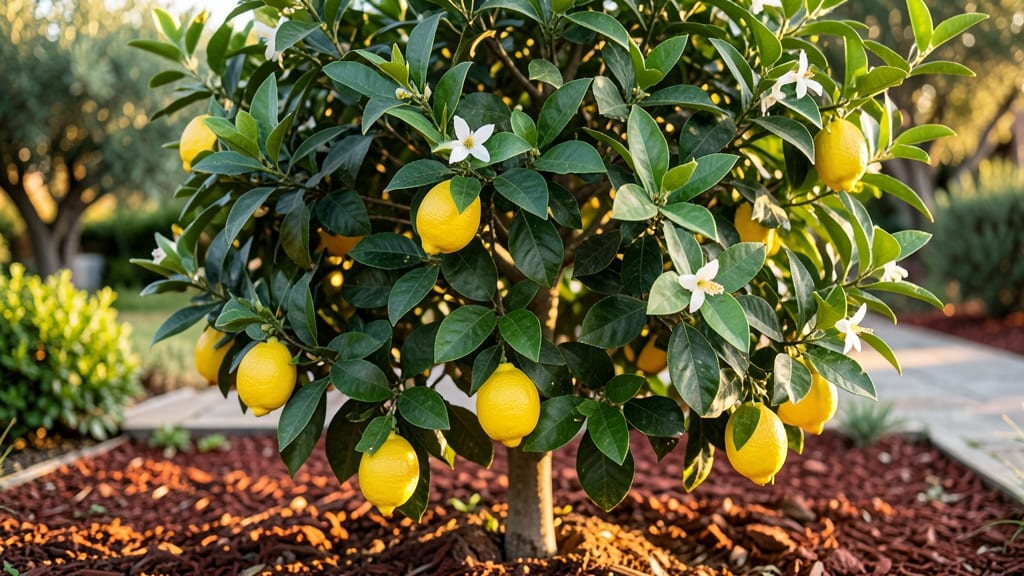
A lemon tree needs a lot of sun to thrive—think 6 to 8 hours of direct light daily, or it’ll struggle to produce fruit or even stay healthy.
Struggling to keep your 🍋 tree alive? Sunlight might be the missing piece—too little and it wilts, too much and it burns. Discover the exact light requirements lemon trees need to thrive and avoid common mistakes that kill growth.
In USDA Zone 6a, where frost lingers until April, planting in March means giving your lemon tree a head start with full sun exposure. Without it, you’ll end up with leggy, weak branches and tiny, bitter lemons—or worse, no fruit at all.
Below, I’ll break down how to position your lemon tree for success, whether you’re growing it in a pot on a patio or in the ground. You’ll also learn how to spot signs of sun stress and adjust for partial-sun spots if full sun isn’t an option.


How many hours of sun does a lemon tree need daily?
If you're dreaming of a bountiful harvest of juicy lemons, understanding your tree's sunlight needs is the first step. Lemon trees are sun-worshippers, but not all varieties crave the same amount of light.
The Meyer lemon might tolerate slightly less sun than the hardy Eureka lemon, while the classic Lisbon lemon demands full sun to thrive. Without the right light exposure, you’ll see stunted growth, sparse foliage, or—worst of all—no fruit.
Let’s break down the exact sunlight requirements for each type and how to measure what your garden can offer.
Most lemon trees thrive with 6 to 8 hours of direct sunlight daily, but this can shift depending on your climate zone, season, and even the tree’s maturity. In hot, dry climates, like the Southwest U.S., afternoon shade becomes crucial to prevent leaf burn.
Meanwhile, in cooler regions like the Pacific Northwest, you might need to supplement with grow lights during winter months. The key is balancing light with temperature—too much sun in summer can scorch leaves, while too little in winter slows growth entirely.
Here’s the critical breakdown of sunlight needs by lemon tree variety, along with practical tips to measure and optimize light in your garden:
To measure sunlight in your garden, use a sunlight tracker or observe your space for a week.
Place a white board or reflective surface where you plan to grow your lemon tree and mark the hours of direct light it receives. Morning sun (6 AM–12 PM) is gentler and ideal for lemon trees, while afternoon sun (12 PM–6 PM) in summer can cause leaf scorch.
If your spot gets less than 6 hours of light, consider a dwarf variety like the Meyer lemon, which adapts better to indoor or container growing with supplemental grow lights.
Young lemon trees are more flexible and can handle slightly less sun, but as they mature, their light requirements become non-negotiable. For example, a 3-year-old Eureka lemon might survive on 5 hours of sun, but it won’t flower or fruit without at least 7 hours.
Prune nearby trees or structures to maximize light exposure, and avoid placing your lemon tree in the shadow of taller plants like citrus companions or fruit trees. Even palm trees or bamboo can block critical sunlight if planted too close.
In winter months, when daylight shrinks, lemon trees enter a dormant phase and tolerate fewer hours of sun. However, if temperatures stay above 50°F (10°C), aim for at least 4–5 hours of light daily to prevent leaf drop.
Use a grow light on a timer (12–14 hours/day) to simulate longer days, especially if you’re growing indoors. LED grow lights with a full-spectrum bulb are the most energy-efficient choice for extending the growing season.
One common mistake is assuming that bright, indirect light is enough—lemon trees need direct sunlight to produce fruit. If your tree is growing leggy or developing sparse leaves, it’s likely starving for light. Rotate container-grown trees every few weeks to ensure even sunlight exposure on all sides.
For outdoor trees, avoid planting near buildings or fences that cast long shadows during peak sun hours (10 AM–2 PM). A south-facing wall or greenhouse can amplify sunlight by reflecting it onto the tree, boosting growth by up to 30%.
If you’re in a high-altitude or northern climate, like Colorado or the UK, lemon trees may struggle without extra care. Choose cold-hardy varieties like the Improved Meyer lemon and grow them in containers that can be moved indoors during winter.
Even a sunroom or bright basement with a grow light can extend the growing season. Just ensure the light source is within 6–12 inches of the tree to mimic natural sunlight intensity.
Remember, the goal isn’t just to meet the minimum sunlight hours but to provide consistent, high-quality light. Lemon trees reward you with vibrant blooms and sweet fruit when they get the right balance. Start by testing your garden’s sunlight, then adjust your tree’s location or lighting setup as needed.
With the right light, your lemon tree will thrive—and soon, you’ll be picking fresh lemons straight from your backyard! 🍋☀️
Signs your lemon tree isn’t getting enough (or too much) sun
Your lemon tree’s leaves tell a story—especially when it comes to sunlight. If they’re turning yellow and brittle or developing crispy brown patches, your tree might be screaming for more light.
On the flip side, bleached or scalded leaves mean it’s getting too much direct sun. These visual cues help you diagnose the issue quickly and adjust care before permanent damage occurs.
Lemon trees thrive in full sun (6-8+ hours daily), but their tolerance varies by variety. Meyer lemons handle partial shade better than Eureka or Lisbon types, which need intense light for sweet fruit.
Without enough sun, growth slows, leaves thin out, and buds fail to set. Over-exposure, however, causes sunburn—visible as white or grayish patches on foliage.
🔍 PROS-CONS BOX: Does a Lemon Tree Need a Lot of Sun?
Full sun boosts sugar production and citrus oils.
Afternoon heat can scorch leaves in hot climates.
More light = thicker stems and lush foliage.
Partial shade reduces fruit yield by 30-50%.
Good airflow from sun exposure prevents fungal issues.
Requires pruning or shade cloth in extreme heat.
When your lemon tree lacks sunlight, it often shows nutrient deficiencies first. Look for yellowing between leaf veins (chlorosis), a classic sign of iron deficiency caused by poor light absorption.
Stunted growth and small, sparse leaves also indicate light starvation. In containers, roots may circle the pot as the tree stretches toward any available light source.
To fix positioning issues, start by observing your tree’s current spot. If it’s in a north-facing window or under dense shade trees, relocate it to a south-facing area where it gets unobstructed sun.
For outdoor trees, prune nearby branches or remove competing plants. In containers, rotate the pot weekly to ensure even light exposure on all sides.
If your tree shows signs of sunburn, act fast. Move it to a spot with filtered light (like a sheer curtain or dappled shade) for a few days while it recovers.
Avoid placing it in afternoon sun during peak summer months. For severe damage, trim affected leaves with sterilized pruners to encourage new, healthy growth.
Remember: Lemon trees are sun worshippers, but balance is key. Aim for 6-8 hours of bright light daily, with protection from harsh afternoon rays in hot climates. With the right placement, your tree will reward you with glossy leaves, abundant blooms, and juicy lemons all season long. 🌿